Cost Of Nuclear Energy Compared To Other Sources
So, we're chatting about energy costs, huh? Specifically, nuclear. It's this big, somewhat mysterious power source. And the question on everyone's mind (probably while they're sipping their latte): Is it cheap? Or are we all gonna need to sell our kidneys to keep the lights on?
Well, buckle up, because it's a bit of a rollercoaster. Let's compare nuclear to its energy siblings – solar, wind, coal, and natural gas. Think of it like a family reunion, where everyone's arguing about who's the cheapest to feed.
Upfront Costs: Ouch!
First, the bad news. Nuclear's upfront costs are…astronomical. Building a nuclear power plant is like building a tiny, very powerful city. We're talking billions. With a B. Seriously. Think of all the avocado toast you could buy with that money!
Must Read
Why so pricey? Well, there's the sheer amount of concrete and steel involved. Then there's the super-duper high safety standards. Can't skimp on those, right? Nobody wants another Chernobyl. Plus, you need a team of highly skilled engineers and scientists. They don't exactly work for peanuts.
Compared to solar or wind farms, which can be built in stages, nuclear is an all-or-nothing kind of deal. You sink a ton of cash in at the start and hope for the best. A bit like buying a lottery ticket, but with more science.
Running Costs: Actually, Not Bad!
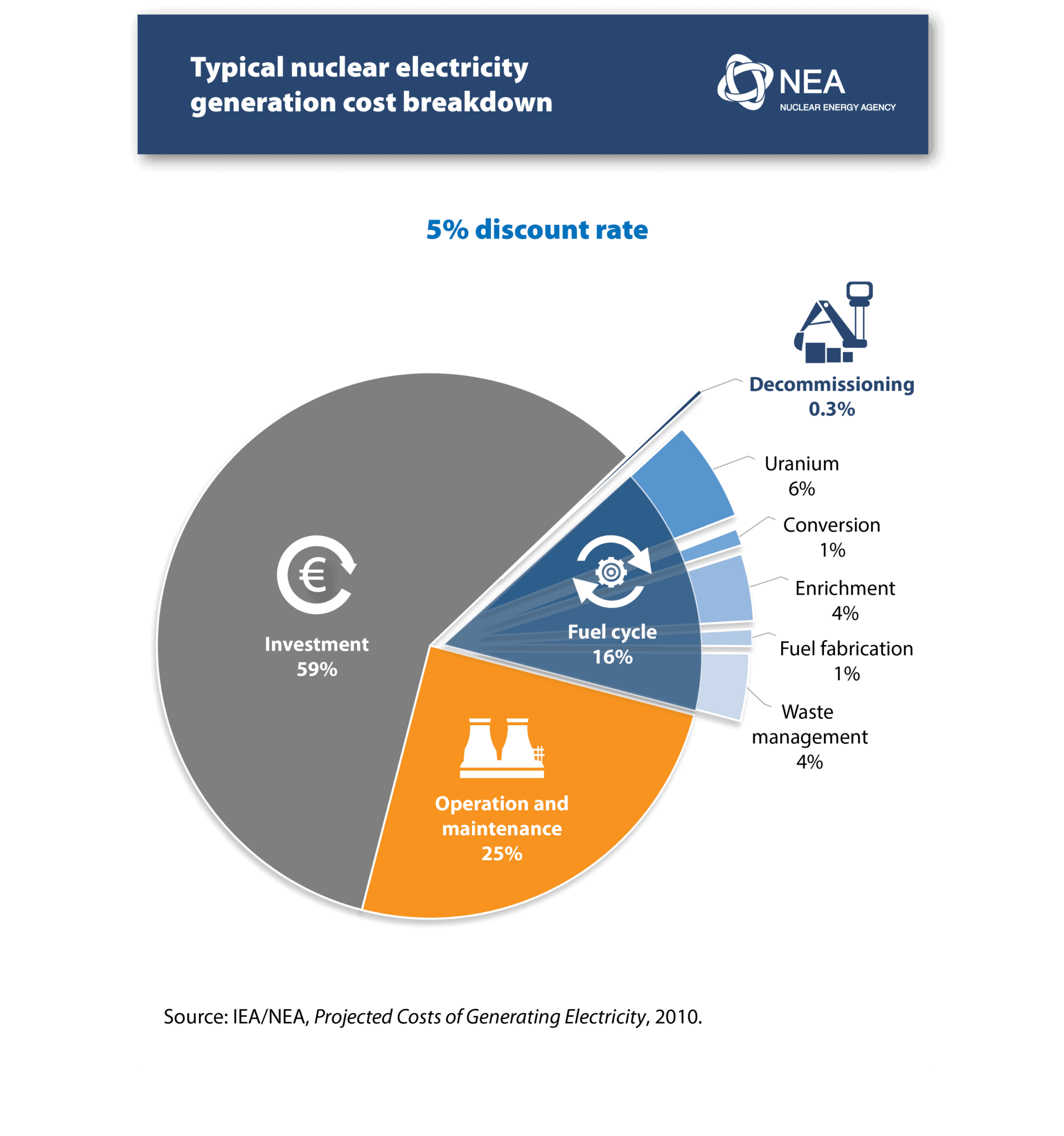
Okay, okay, breathe. The good news is that once that nuclear plant is up and running, the running costs are surprisingly…reasonable. Why? Because uranium, the fuel, is actually pretty cheap. Relatively speaking, of course. We’re not talking about pocket change.
Nuclear plants also produce a LOT of energy. Like, a whole lot. So, even though the initial investment is huge, that cost is spread over a massive amount of electricity. Think of it as buying a giant, economy-sized bag of chips. It costs more upfront, but you get more chips per dollar in the long run (and probably gain five pounds).
Plus, nuclear plants are reliable. They can run 24/7, 365 days a year (except when they need maintenance, naturally). Unlike solar and wind, which depend on the sun shining and the wind blowing (duh!), nuclear just keeps chugging along, rain or shine.
How Does It Stack Up?
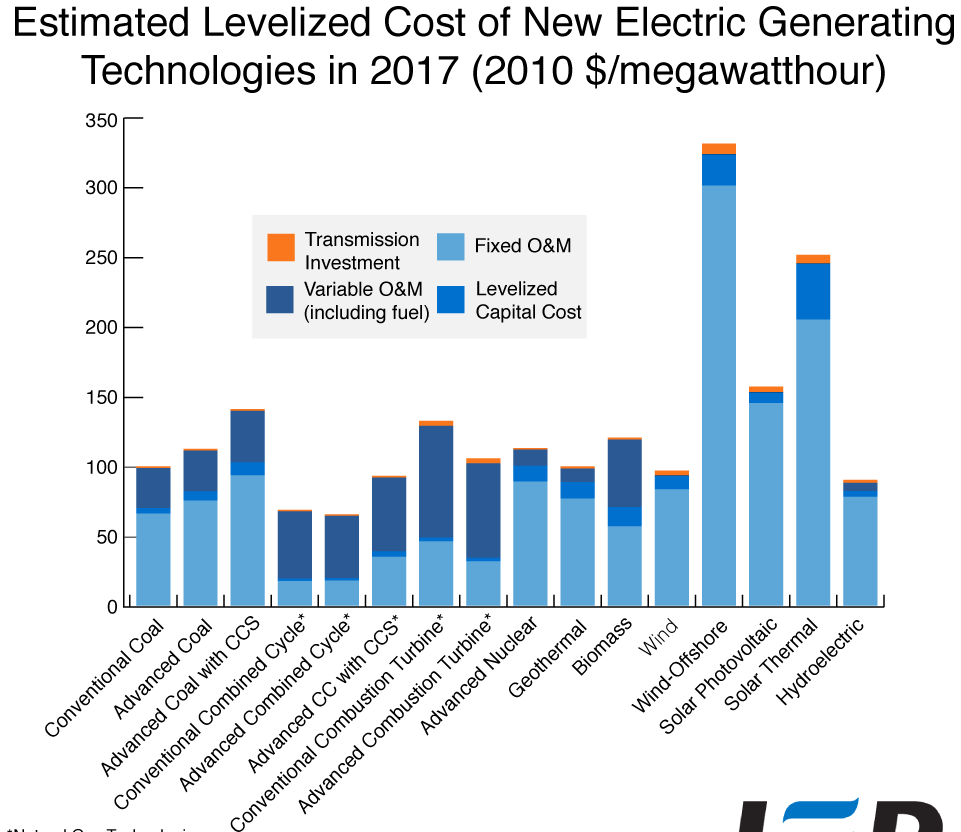
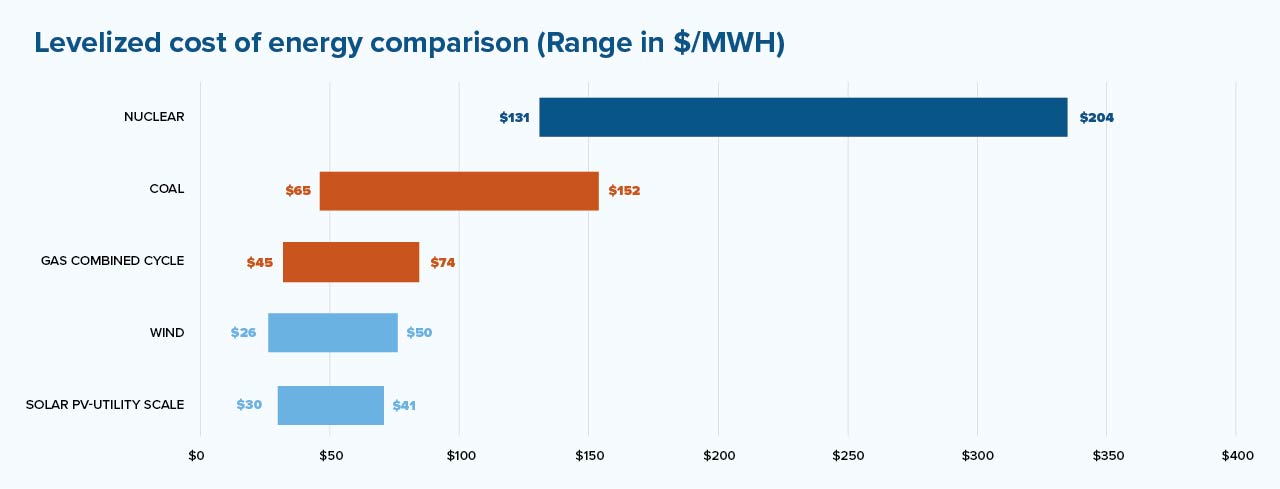
So, where does nuclear fall in the grand scheme of energy costs? It's complicated, as always. When you factor in everything – construction, fuel, maintenance, and decommissioning (taking the plant apart at the end of its life) – nuclear is generally considered to be in the mid-range.
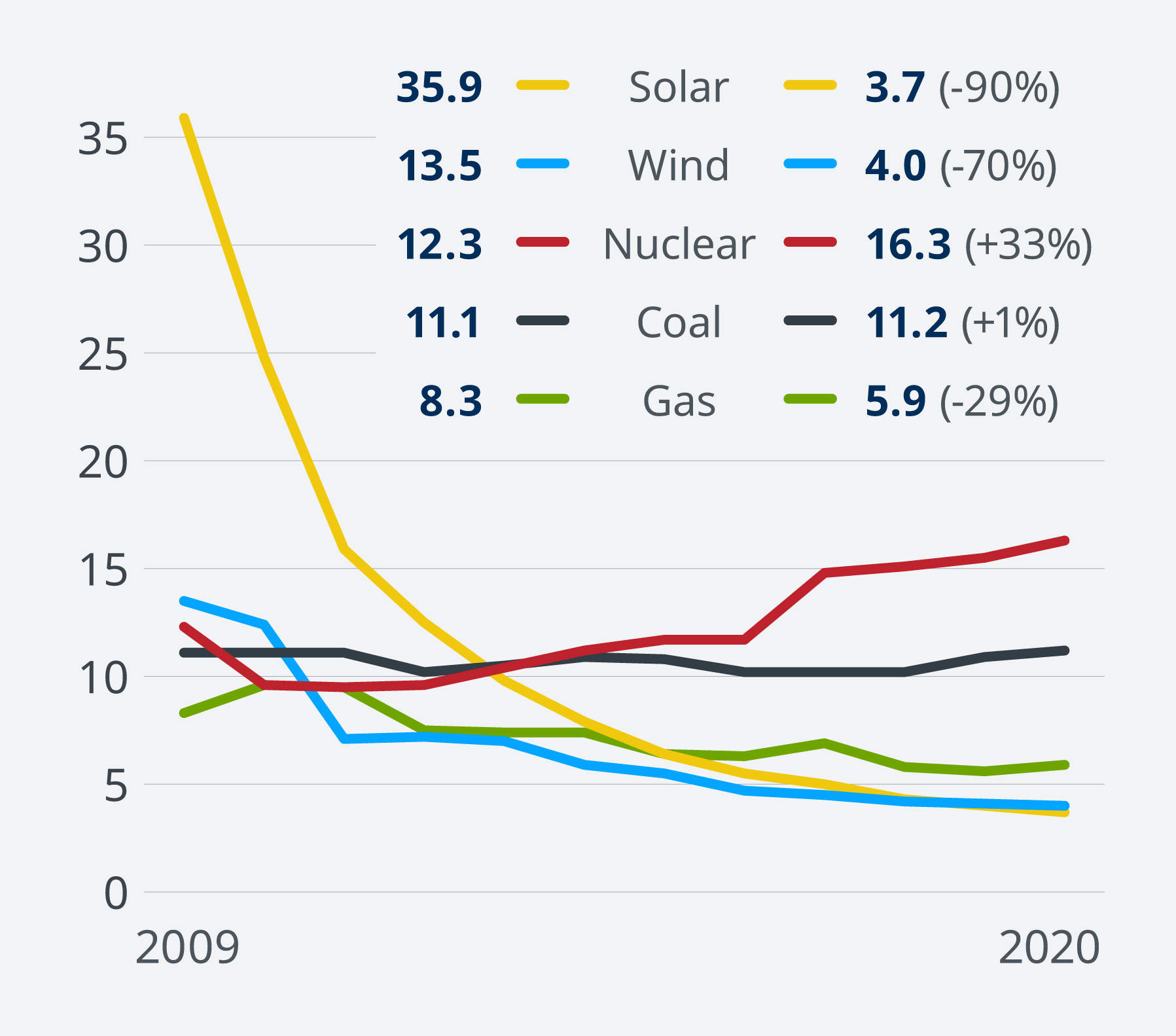
It's often more expensive than natural gas (especially when gas prices are low) but can be competitive with coal (especially when you factor in the cost of pollution controls). Solar and wind are getting cheaper all the time, making them increasingly attractive options. But remember, they need backup power sources for when the sun doesn't shine or the wind doesn't blow. Batteries, anyone?

One thing to keep in mind: Calculating the "true" cost of energy is tricky. Do you include the health costs associated with pollution from coal? What about the environmental impact of building dams for hydropower? These are all things that economists (and angry internet commenters) love to debate.
The Future of Nuclear
Looking ahead, there's a lot of buzz about "small modular reactors" (SMRs). These are smaller, more efficient nuclear plants that can be built in factories and shipped to different locations. The hope is that SMRs will be cheaper and easier to build than traditional nuclear plants. Will they be the energy savior we've all been waiting for? Only time will tell!
Ultimately, the cost of nuclear energy is just one piece of the puzzle. We also need to consider factors like reliability, environmental impact, and energy security. It’s all about finding the right mix of energy sources to power our world sustainably. And maybe, just maybe, without having to sell those kidneys after all.