
Cost Of Electricity In The World
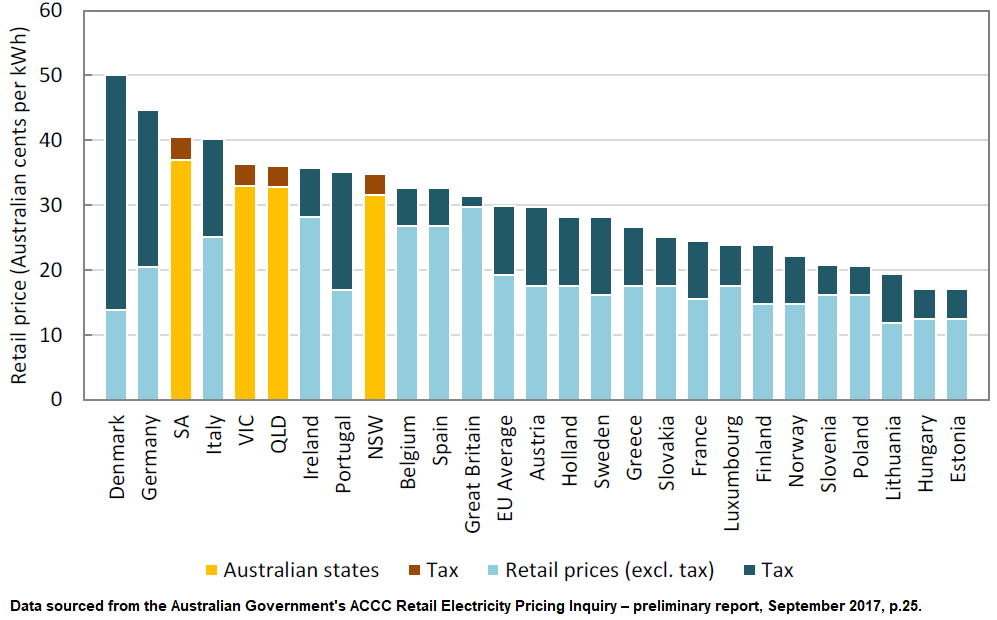
Ever flicked a light switch and not given it a second thought? Most of us do! Electricity is just there, like magic, powering our phones, lighting our homes, and keeping our food cold. It’s such an essential part of modern life, we often take it completely for granted.
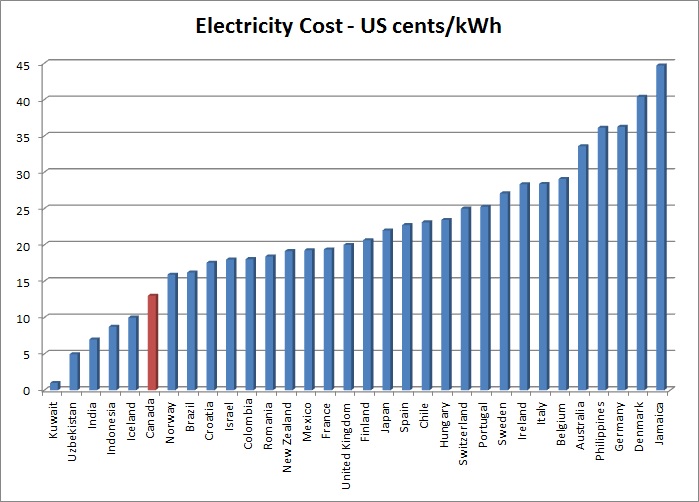
But have you ever paused to think about how much that magic costs? And here's the kicker: it’s not the same price everywhere. Not even close! In fact, the cost of electricity can swing wildly from one country to another, like a rollercoaster ride through different currencies and energy policies.
Isn't that wild? Why would something so fundamental have such a diverse price tag across our planet? Well, it’s actually a super fascinating peek into a country's energy mix, its geography, its infrastructure, and even its politics. Let's peel back the layers!
Must Read
Where Does the Power Come From? (The "Ingredients" Matter!)
Think about making a cake. The final price depends a lot on the ingredients, right? Flour, sugar, eggs – some are cheaper than others. It's the same with electricity. The source of power is a massive factor in its cost.
Some lucky nations are blessed with abundant natural resources that make electricity incredibly affordable. Imagine countries with towering mountains and rushing rivers – they can harness hydropower, which, once the initial dams are built, is a relatively cheap and clean way to generate electricity. It’s like they found a giant, free energy tap! Countries like Norway or Paraguay are great examples where hydropower keeps prices low.
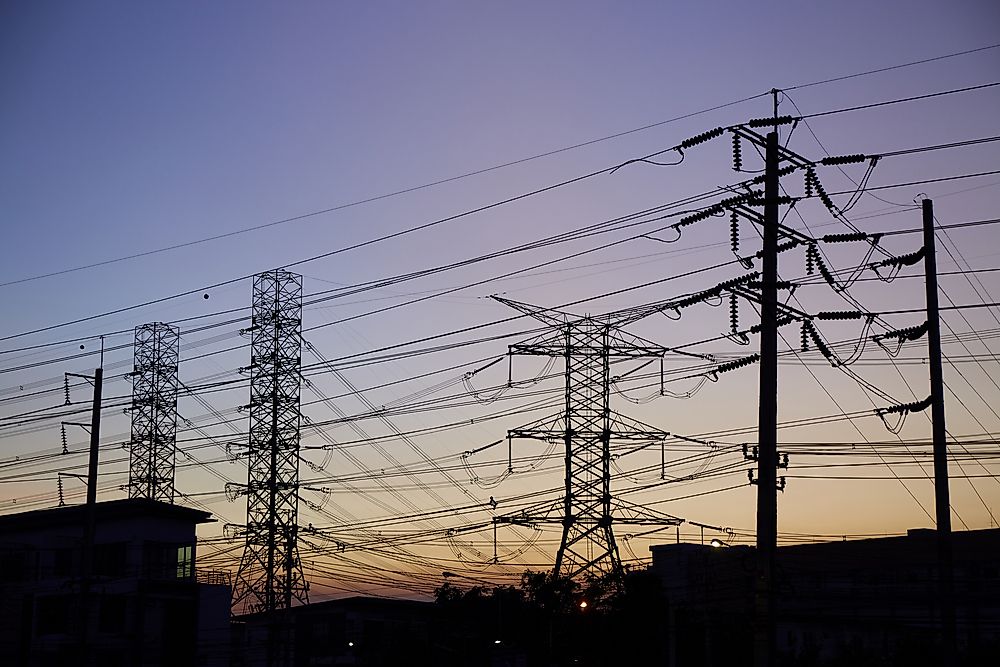
Then there are places basking in endless sunshine, perfect for solar power, or windswept plains ideal for wind turbines. While these renewable sources often have a higher initial setup cost, they offer long-term savings once they're up and running because the "fuel" (sunlight, wind) is free!
On the flip side, many countries still rely heavily on fossil fuels like coal, oil, and natural gas. These fuels often have to be imported, making their cost subject to global market fluctuations, shipping expenses, and even political tensions. If you have to buy all your cake ingredients from across the ocean, it's going to be pricier! This can lead to significantly higher electricity bills in nations dependent on these imports.
The Wires and Pipes (Getting It To You)
Even once electricity is generated, it needs to get from the power plant to your light switch. That's where the transmission and distribution infrastructure comes in – all those power lines, substations, and transformers. Building and maintaining this vast network is incredibly expensive.
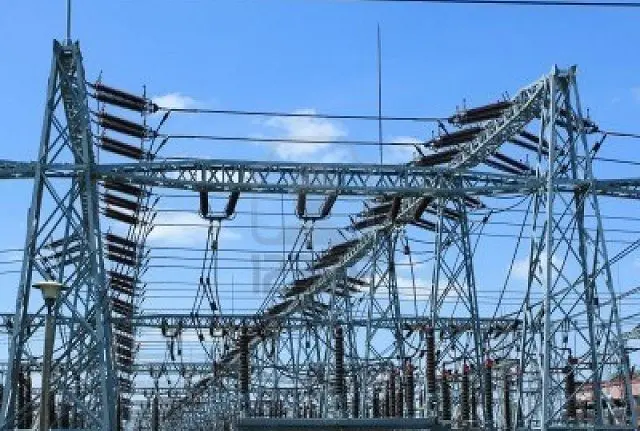
Think about it: miles and miles of cables, upkeep in all sorts of weather, and constant upgrades to keep everything humming along. If a country has an old, inefficient grid, or if its population is very spread out (meaning more wires per person), these costs can bump up the price you pay.
Government's Helping Hand (or Taxing Hand!)
This is where things get really interesting. Governments often step in to influence electricity prices, making them a reflection of a nation’s social and economic priorities.

Many governments offer subsidies, especially for household electricity, to keep it affordable for everyone and support essential services. It’s like a government discount code for your power bill! This means the true cost might be higher, but the government is footing part of the bill, making it cheaper for consumers.
Conversely, some governments apply taxes and levies to electricity. These might be for environmental reasons (to encourage less consumption), to fund infrastructure projects, or simply as a general revenue source. So, a portion of your electricity bill might actually be going towards something completely different!
Demand and Supply (Good Old Economics)
It’s basic economics, really. If a country's population is growing rapidly and everyone wants more power, but there isn't enough generating capacity to go around, prices tend to climb higher. Conversely, if a nation has an abundance of power generation compared to its demand, prices can be lower as providers compete.
So, What Does This All Mean?
Imagine if a cup of coffee cost five times more in one city than another just a few hundred miles away! That's kind of what we're talking about with electricity. In some places, charging your phone for an hour might cost less than a single raindrop. In others, a single hour of air conditioning can be a noticeable chunk of your daily budget.
It highlights the incredible differences in how countries manage their resources, what choices they make for their energy future, and how those decisions ripple down to affect the everyday lives of their citizens.
So, next time you flip that switch, maybe take a tiny moment to appreciate the incredible, invisible network of decisions, resources, and innovation that brings power right to your fingertips. And perhaps spare a thought for how different that simple act might feel in another corner of our amazing world! Isn't that something to ponder?