Cost Of Electric Vehicle Charging Station At Home

Ever wondered what it really takes to plug your electric car in at home? We're not just talking about finding an outlet! As electric vehicles (EVs) become increasingly common, understanding the ins and outs of home charging is becoming not just relevant, but almost a necessity. Think of it like this: knowing about home EV charging is like understanding how your smartphone works – the more you know, the better you can optimize your experience and potentially save some money along the way!
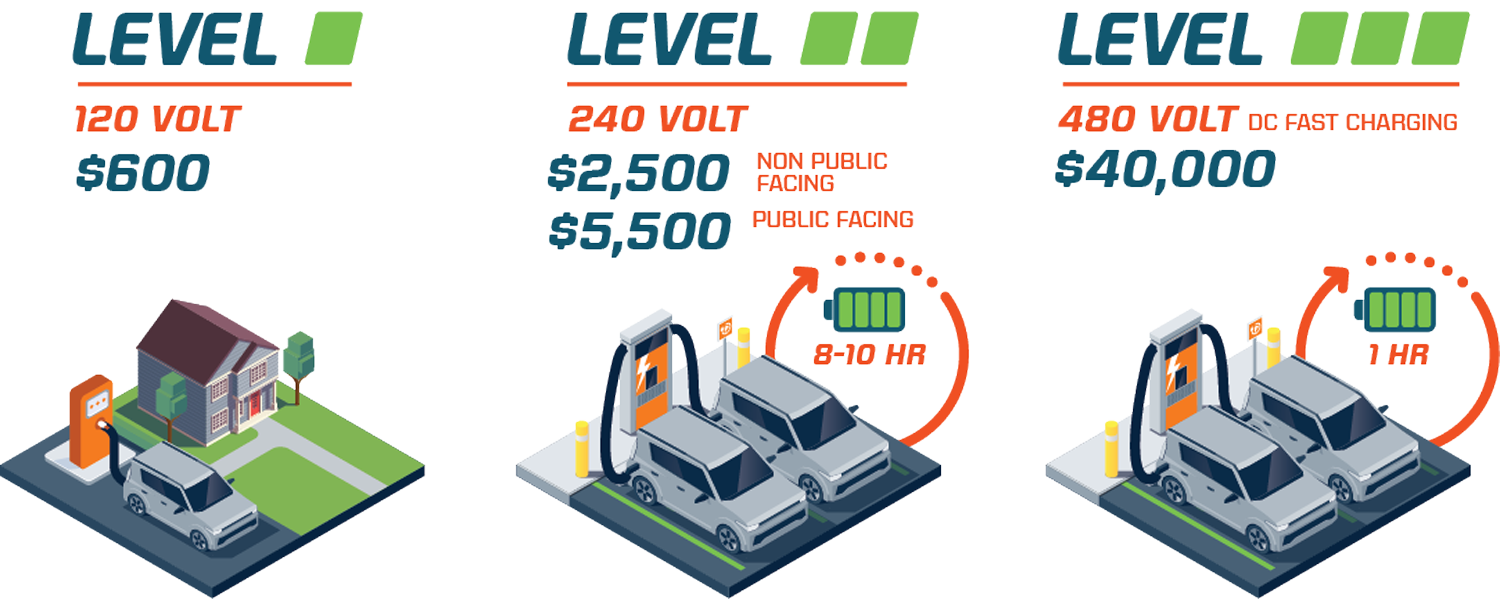
The primary purpose of a home EV charging station, also known as an Electric Vehicle Supply Equipment (EVSE), is simple: to safely and efficiently recharge your electric car’s battery. Sure, you could use a standard wall outlet (Level 1 charging), but a dedicated charging station (Level 2 charging) offers several significant benefits. It provides a much faster charging rate, meaning you can replenish your battery overnight instead of waiting for days. It also offers enhanced safety features, protecting your vehicle and home's electrical system from potential overloads. Imagine waking up every morning with a "full tank," ready to tackle your daily commute or weekend adventures. No more scrambling to find a public charging station when you're running low!
The applications of home EV charging knowledge extend beyond just personal convenience. In education, learning about EV charging infrastructure can be a fascinating way to explore concepts in electrical engineering, sustainable energy, and transportation technology. Students can analyze energy consumption data, compare charging speeds, and even design hypothetical charging networks. In daily life, understanding the costs involved can empower you to make informed decisions when purchasing an EV or upgrading your home’s electrical system. It allows you to budget effectively for your transportation needs and potentially take advantage of government incentives and rebates designed to promote EV adoption.
Must Read
So, how can you delve into the world of home EV charging costs? Start by researching the different types of charging stations available. Level 1 is the slowest, using a standard 120V outlet. Level 2, which is more common for home use, requires a 240V outlet (like the one your dryer uses). Consider factors like the charging speed you need, the length of your commute, and your budget. Prices for Level 2 chargers themselves can range from a few hundred to over a thousand dollars.

Beyond the charger itself, remember to factor in installation costs. You'll likely need a qualified electrician to install the 240V outlet and ensure your home's electrical system can handle the additional load. Get quotes from multiple electricians to compare prices and services. Furthermore, investigate potential government rebates and tax credits that can help offset the initial investment. Many states and even the federal government offer incentives to encourage EV adoption and home charging infrastructure.
Finally, a simple way to explore this topic is to visit online forums and communities dedicated to EVs. There, you can connect with other EV owners, ask questions, and learn from their experiences. Websites like Plug In America and EVgo offer valuable resources and information on EV charging. By taking these steps, you can become a well-informed and empowered EV enthusiast, ready to embrace the future of transportation!