
Cost Of A Plastic Water Bottle
Imagine this: You're out and about, maybe at a festival, hustling through a long day of errands, or just plain forgot your trusty reusable bottle at home (don't worry, we've all been there). Suddenly, your throat feels like the Sahara, and the nearest water fountain is either non-existent or... questionable. What do you do?
You spot it – a fridge full of glistening, ice-cold plastic water bottles. Ah, salvation! You grab one, hand over your hard-earned cash – maybe a dollar, maybe three, sometimes a staggering five bucks if you're stuck at the airport and feeling utterly desperate – and chug it down. Instant relief. Mission accomplished, right?
Well, yes, for your immediate thirst. But have you ever paused for a second after that refreshing gulp and truly thought about the real price tag of that humble plastic bottle? I'm not just talking about the few bucks you just shelled out. Oh no, my friend. That little bottle carries a cost that goes way, way beyond your wallet.
Must Read
The Sticker Shock, Literally
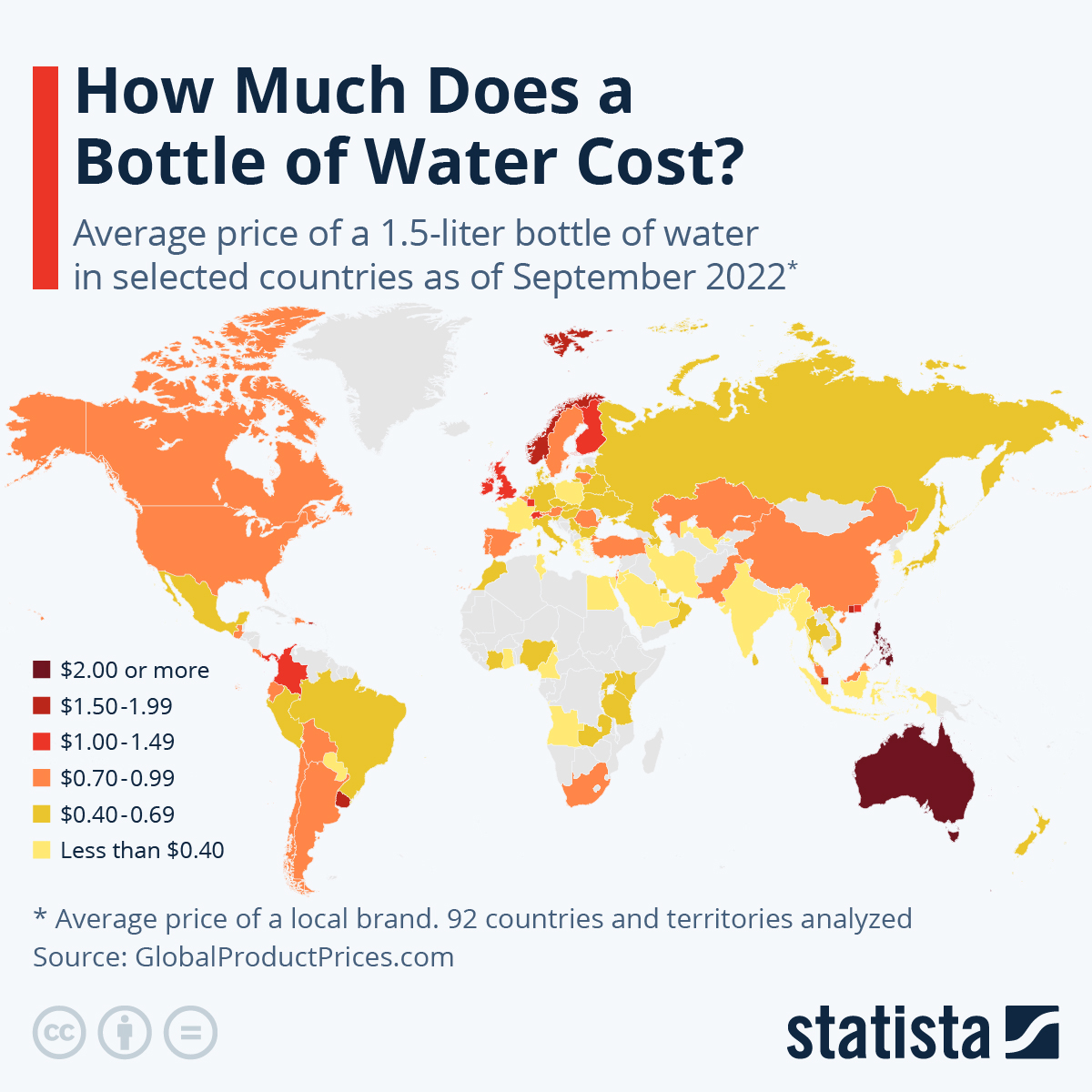
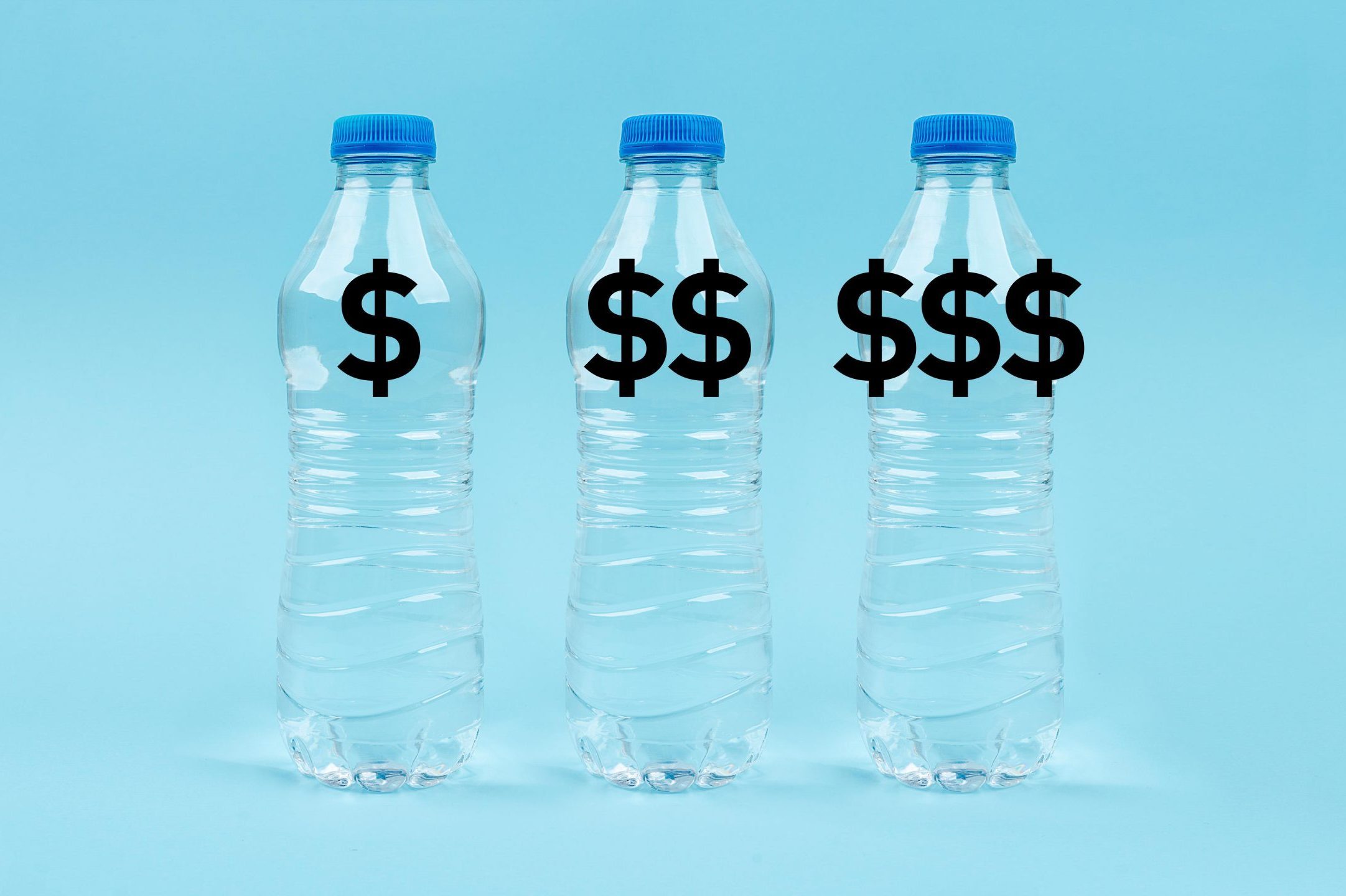
Let's start with the obvious, though: the cash. When you buy a single-use plastic water bottle, you're usually paying anywhere from $1 to $3 on average. At events, theme parks, or convenience stores, that can easily skyrocket, as we just discussed. Think about it: a month of buying just one $2 bottle a day adds up to $60. A year? That's a cool $720! For water.
Water that, for most of us, comes out of the faucet for mere fractions of a cent per gallon. It's almost ironic, isn't it? We pay premium prices for something that's practically free, just because it's wrapped in a convenient plastic package. That's a serious chunk of change for something so basic.
Beyond Your Wallet: The Planet's Tab
But here's where things get a bit heavier. The moment that plastic bottle leaves the factory, it's already accumulated a serious environmental debt. First off, it's made from fossil fuels, typically petroleum. We're talking about extracting non-renewable resources from the earth, a process that isn't exactly kind to the planet, releasing carbon emissions all the while.
Then, there's the water used in production. Get this: it takes about three times the amount of water inside the bottle to actually make the bottle itself. Yes, you read that right. We're consuming precious freshwater just to create a container for more freshwater. Kind of circular, and definitely not in a good way, especially when water scarcity is a global issue.
Beyond the raw materials, there's the energy. Heaps of energy are needed to mold that plastic, bottle the water, and then – here's a big one – transport it. Imagine trucks, trains, and even massive container ships crisscrossing countries and oceans, all to deliver bottles of water that often travel thousands of miles just to reach your local store shelf.
Each mile burns fossil fuels, pumping more greenhouse gases into our already stressed atmosphere. It really makes you wonder, doesn't it, why we're shipping water from Fiji to New York when New York has perfectly good water of its own? The carbon footprint of a bottle of water is surprisingly, and disappointingly, large.
The Long, Sad Afterlife
Now, let's talk about what happens after you've chugged that refreshing H2O. You toss the bottle in the bin, maybe hoping it'll be recycled. And sometimes, it is! But here's the kicker: a staggering less than 30% of plastic bottles are actually recycled globally. That means the vast majority – hundreds of billions every year – end up in landfills.
In those landfills, they can take 450 years or more to decompose. Think about that for a second. The bottle you finished in five minutes will likely outlive your great-great-great-grandchildren. It just sits there, an enduring monument to a fleeting convenience. And it doesn't just sit, it can leach chemicals into the soil and groundwater as it very, very slowly degrades.

And the ones that don't make it to a landfill? Many unfortunately find their way into our oceans. Plastic pollution in marine environments is a massive crisis, breaking down into microplastics that are ingested by marine life, entering our food chain, and literally suffocating our planet's most vital ecosystems. We're talking about plastic islands the size of countries, tangled turtles, and fish full of plastic bits. All for a moment of convenience.
So, the next time your throat feels like the Sahara and you reach for that plastic bottle, pause for a moment. That instant relief comes with a hefty hidden price tag. It's a cost paid by your wallet, yes, but also by our planet, by future generations, and by the delicate balance of our ecosystems. It’s a powerful reminder that sometimes, the most convenient option isn't always the best option.
Perhaps investing in a reusable bottle and refilling it with tap water isn't just a personal choice, but a small, impactful rebellion against a much larger, often unseen, cost. What do you think? Is that momentary convenience really worth the long-term price?