
Cost Of 4140 Steel Per Pound

Alright, pull up a chair. Let's talk about something that sounds, well, a little… dry. Steel. Specifically, 4140 steel. But trust me, once you start digging into the cost, it gets surprisingly juicy. Or, you know, metallic.
You're probably wondering, "How much does that stuff cost per pound?" And that's a perfectly fair question! But if you've ever tried to nail down a single price for, say, a banana (organic? local? fair trade? on sale?), you know it's never quite that simple. Steel, my friend, is banana-level complicated, but with more molybdenum.
What Even IS 4140 Steel? (The Quick Version)
Before we dive into the dollars and cents, let's just quickly set the stage. 4140 steel isn't just any old lump of metal. It's like the utility player of the alloy steel world. Think tough, strong, and pretty darn versatile. It’s got chromium and molybdenum in it, which gives it some serious muscle – making it great for things like gears, shafts, fasteners, and all sorts of industrial bits that need to take a beating. It’s heat-treatable, too! So, it’s not some cheap knock-off. It’s a performer.
Must Read
So, yeah, it’s important. And important things usually come with a price tag.
The Million-Dollar (or Pound) Question: The Cost
Okay, deep breath. How much? Well, here’s the thing: asking for a single "per pound" price for 4140 steel is a bit like asking "how much does a car cost?" You getting a beat-up '98 Civic or a brand-new Tesla? Huge difference.
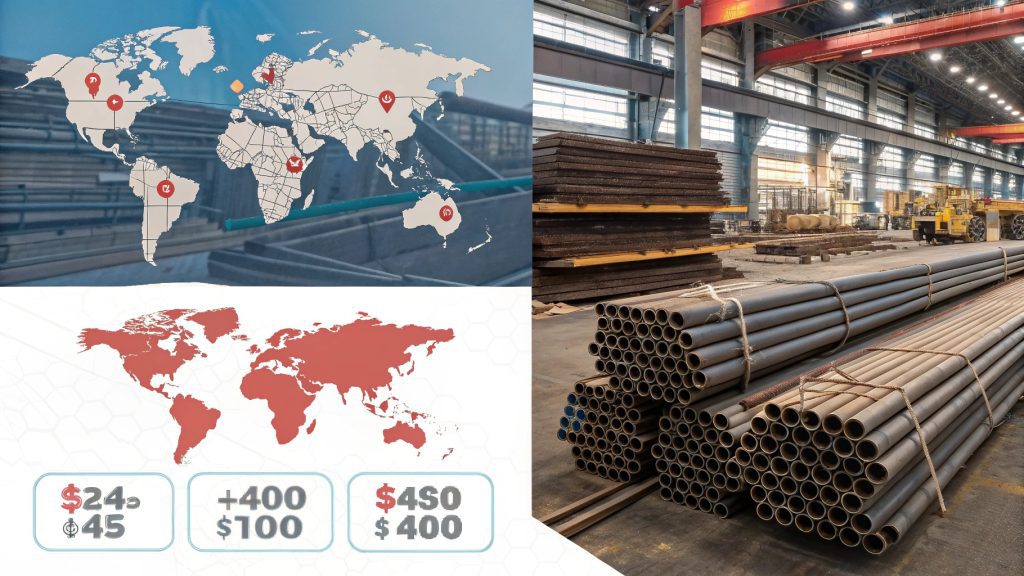
Generally speaking, for raw 4140 steel, you're usually looking at a range somewhere from, oh, let's say $1.00 to $3.00 per pound. But hold your horses! That’s a super-duper rough, ballpark figure for larger quantities, often before any serious processing or special treatment. It can easily go north of that!
Why such a range? Why the caveats? Ah, my friend, let's grab another coffee, because this is where the fun begins.
The Price Rollercoaster: What Makes it Go Up and Down?
1. Raw Materials: The Earth's Goodies
Steel starts with iron ore. Then you add things like coking coal (to melt it, duh!), and those crucial alloying elements: chromium and molybdenum. These aren't just sitting around in your backyard. Mining them, processing them, shipping them – it all costs money. And those commodity prices? They bounce around more than a super ball in a small room. A global hiccup in mining? Price goes up! Simple economics, right?
2. Energy Costs: Heating Things Up (Literally)
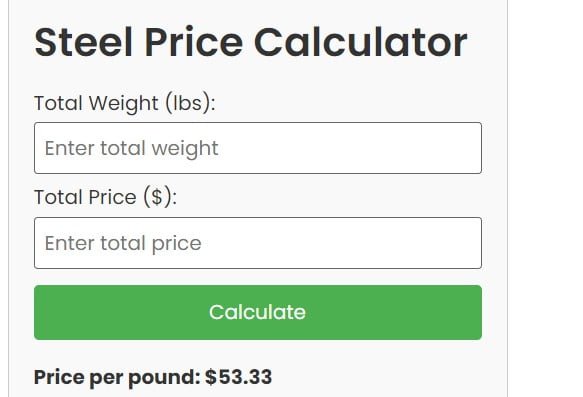
Melting steel? Shaping it? That takes a ton of energy. We're talking massive furnaces, rolling mills – these aren't powered by AA batteries. When electricity or natural gas prices spike, guess what? So does the cost of making steel. It’s not a cheap date to turn ore into a solid bar.
3. The Form Factor: Shape Shifters
Are you buying a big, chunky billet? A precisely machined bar? A thin plate? Maybe a seamless tube? The more processing, cutting, shaping, and finishing that goes into it, the more expensive it gets. A hot-rolled bar will be cheaper than a cold-drawn, precision-ground bar. Think of it like buying raw lumber versus a perfectly planed and sanded piece for furniture.
4. Volume, Volume, Volume!
This is a big one. Are you buying a whole truckload of 4140? Or just a small, custom-cut piece for a hobby project? If you're buying a few tons, your "per pound" price will be significantly lower than if you need a 12-inch piece cut from a larger stock. Suppliers often have minimum order quantities, and cutting a small piece incurs labor costs. It's like buying a single cookie versus a whole box – the unit price is always higher for the small guy.
5. Supplier & Location: Where You Get It Matters
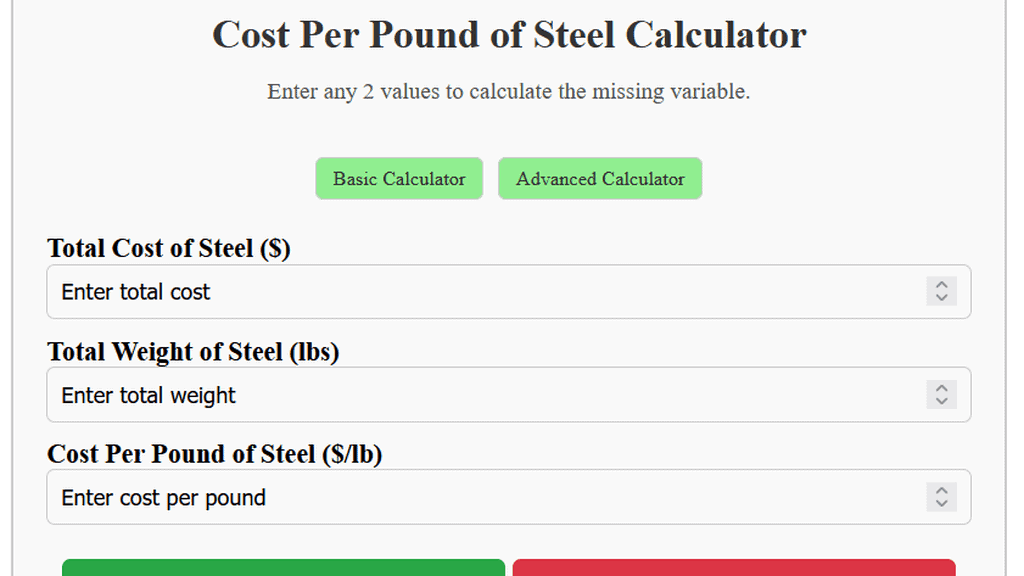
Are you getting it from a giant international distributor? Or your friendly neighborhood metal supply shop that specializes in small orders? Big distributors might offer better bulk pricing, but the local guy might save you a fortune on shipping for a small quantity. Also, freight costs! Shipping steel across the country (or the globe) isn't cheap.
6. Market Conditions & Tariffs: The Unpredictable Stuff
Oh, the lovely global market! Demand for steel up? Prices up! Supply chain issues? Prices up! Government tariffs on imported steel? You guessed it, prices up! Economic forecasts, geopolitical events – they all play a role. It’s a dynamic beast.
So, How Do I Get a Real Price?
Honestly, the absolute best way to find out the cost of 4140 steel per pound for your specific needs is to get a quote. Tell your supplier:

- What form you need (round bar, plate, etc.)
- The exact dimensions (diameter, length, thickness)
- How much of it you need (number of pieces or total weight)
- Any special requirements (heat treatment, specific finishes)
They’ll factor in all these things and give you a price. Sometimes it’ll be per pound, sometimes per hundredweight (cwt), or even a flat price for a specific cut length.
Don't be surprised if that small piece you need costs a few bucks a pound more than the low end of the range. That's the magic of small orders and custom cutting!
The Takeaway? It's Complex, But Worth It.
So, while I can't give you a definitive, universally true "per pound" price for 4140 steel, I hope this little chat shed some light on why. It’s not just a number; it’s a symphony of global economics, energy costs, processing, and logistics. But hey, it’s a fundamental material that literally holds our modern world together. And for that, a little variability in price is a small concession, wouldn't you say? Now, about that coffee… need a refill?