Convert Incandescent Watts To Led Watts
Have you ever paused to appreciate the humble light bulb? It's more than just a filament in a glass sphere; it's a silent architect of our moods, the unsung hero of our cozy evenings, and the vibrant spotlight for our creative endeavors. For years, the warm glow of incandescent bulbs was our familiar friend. But now, there's a new star on the scene: LEDs, offering a brilliant future without losing that beloved warmth. The secret? Understanding how to convert incandescent watts to LED watts – it’s like learning the secret handshake of modern illumination, and it’s surprisingly simple and immensely rewarding!
This conversion isn't just a technical tweak; it's a gateway to a world of tangible benefits for everyone. For the artist or hobbyist, it means consistent, flicker-free light that renders true colors, crucial for painting, crafting, or even precise model building. Imagine no more squinting to distinguish shades! For the casual learner or savvy homeowner, it’s an empowering step towards understanding your home's energy consumption. You'll gain massive energy savings, leading to noticeably lower electricity bills, and contribute positively to the environment by reducing your carbon footprint. Plus, LEDs last incredibly long, meaning less frequent bulb changes and more peace of mind.
The applications are as varied as the lights themselves! Think about your living room: you can maintain that cozy, inviting ambiance you love, but now powered by a mere fraction of the electricity. In your kitchen or workspace, you can opt for brighter, more efficient task lighting that helps you see every detail without the heat of old incandescents. For photographers setting up a home studio, switching to equivalent LED watts means powerful, cool lighting that won't make your subjects sweat. Even outdoor security lights can become brighter and more reliable, offering enhanced safety while consuming significantly less power. The beauty is that you don't have to sacrifice style or desired brightness; you just achieve it smarter.
Must Read
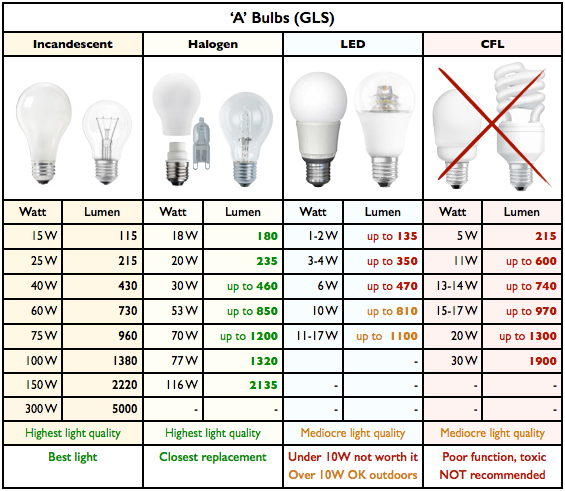
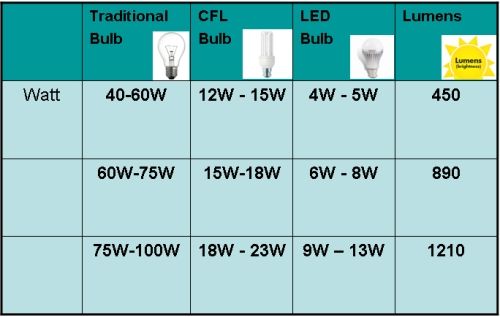
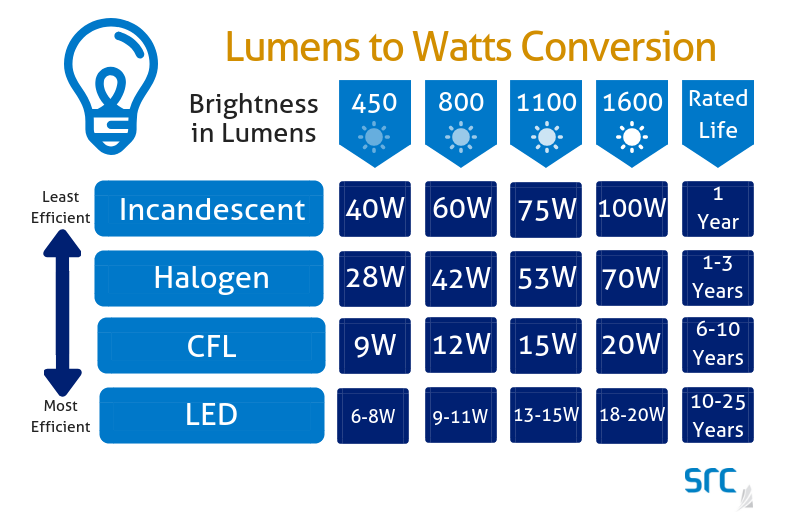
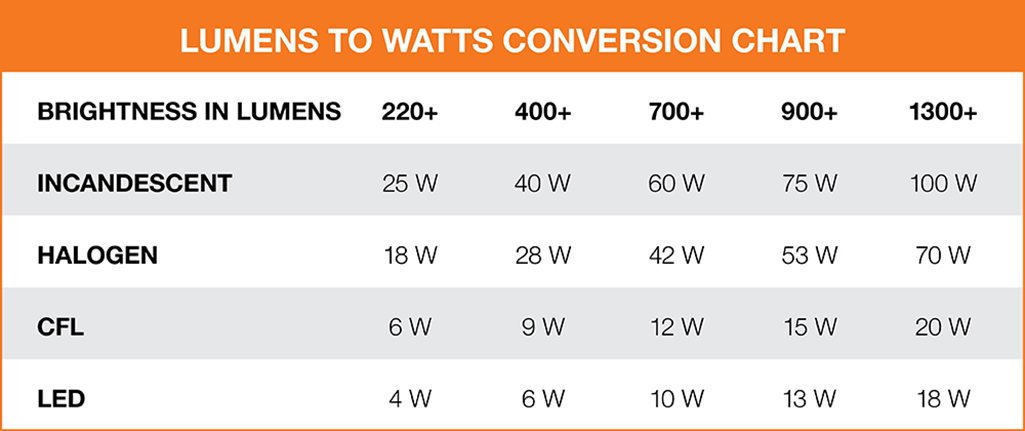
Ready to try this "light alchemy" at home? It's easier than you think! The first, and most crucial, tip is to check the packaging of the LED bulb. Most manufacturers clearly state the "incandescent equivalent" wattage right on the box (e.g., "replaces 60W incandescent"). If you're matching brightness, think in lumens – that's the true measure of light output. A 60W incandescent typically produces around 800 lumens, which an LED might achieve with just 9-12 watts. To keep that warm, familiar glow, look for an LED with a color temperature around 2700K to 3000K (measured in Kelvin). Lastly, if your fixture is dimmable, ensure your new LEDs are labeled as "dimmable" to avoid flickering or buzzing.
Ultimately, converting to LED watts isn't just about saving money or energy; it's about a delightful sense of empowerment. There's genuine satisfaction in knowing you’ve optimized your home, created a more efficient and comfortable environment, and contributed to a brighter, greener future. It's a small change with a big impact, and there's immense enjoyment in taking control of your home's illumination, one brilliant LED at a time. So go ahead, embrace the glow!