
Cons Of A Tankless Water Heater
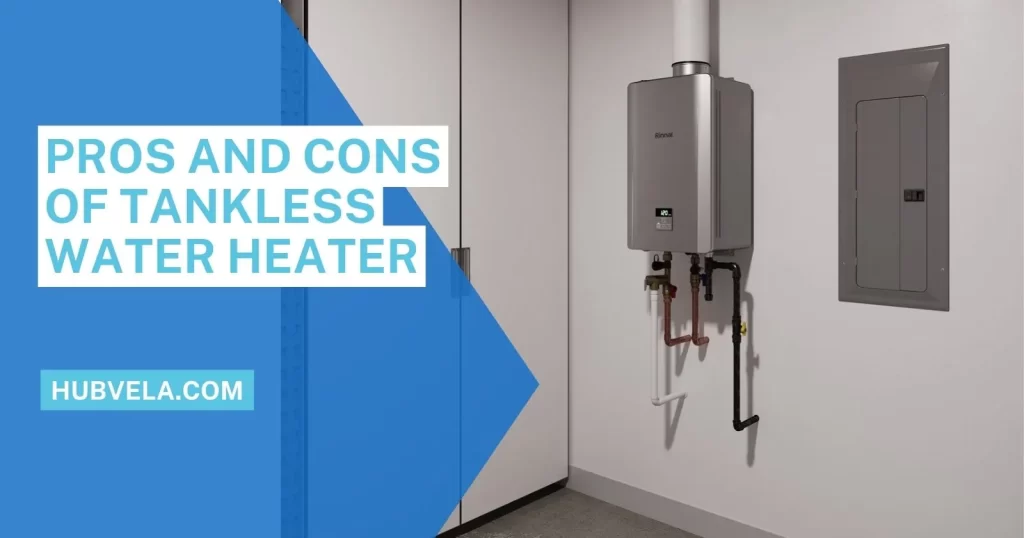
Ever found yourself lost in thought during a deliciously long, hot shower, or perhaps wrestling with a pile of dirty dishes while the washing machine hums away in the background? Hot water is one of those modern conveniences we often take for granted, until it runs out! That's where the idea of a tankless water heater often pops into conversation. They promise an endless supply, on-demand. Sounds like a dream, right? And for many, they are! But just like anything innovative, it’s always fun and smart to peek behind the curtain and get curious about the other side of the coin. Let's explore some of the lesser-talked-about aspects – the cons of a tankless water heater.
First, a quick refresher on what these clever gadgets are all about. Unlike traditional tank-style heaters that store and constantly heat a large volume of water, tankless units heat water only when you need it. You turn on the hot water tap, cold water flows into the unit, a powerful burner (or electric element) instantly heats it, and voila – hot water streams out. The big draw is often the promise of endless hot water and potential energy savings because they aren't constantly reheating water in a tank. Sounds fantastic for a busy family or a guesthouse where you don't want to run out of hot water, ever.
However, getting started with a tankless system often comes with a significant hurdle: the higher upfront cost. The units themselves are typically more expensive than their tank-style counterparts. But it doesn't stop there. Installation can be quite a bit more complex and thus, more costly. Many homes require upgrades to their gas lines, electrical systems, or ventilation to accommodate the powerful demands of a tankless unit. This often means hiring skilled professionals for specialized work, adding a hefty sum to the initial investment. It’s a bit like upgrading to a sleek new sports car – the sticker price is just the beginning!
Must Read
Then there's the question of flow rate limitations. While a tankless heater can provide endless hot water, it can only heat so much at once. If you're envisioning someone showering, the dishwasher running, and the washing machine filling with hot water all simultaneously, a single tankless unit might struggle to keep up. This can lead to a noticeable drop in water temperature or pressure at one or more fixtures. Imagine the dismay of a warm shower suddenly turning lukewarm because someone else started the laundry! This is a key consideration for larger families or homes with high, simultaneous hot water demands in daily life.
Another point to ponder is the "lag time". While the water is heated instantly within the unit, it still has to travel from the unit to your faucet. If your tankless heater is located far from a particular tap, you might still experience a delay before the hot water arrives, just like with a traditional tank. It's not truly instantaneous at the faucet, especially at distant points. Also, tankless units aren't completely maintenance-free. To ensure optimal performance and longevity, they require annual flushing to remove mineral buildup, particularly in areas with hard water. Neglecting this crucial step can lead to reduced efficiency and potentially costly repairs down the line.
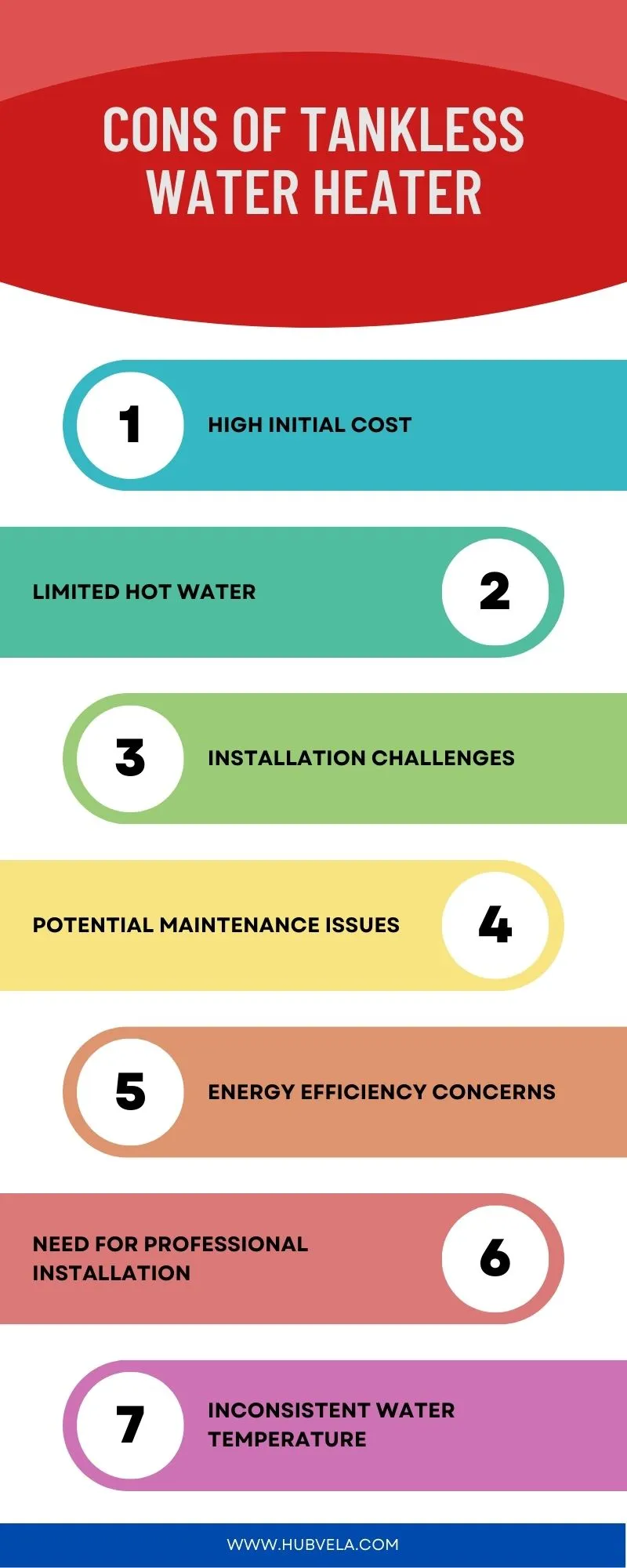
Finally, consider the energy source. Many of the most efficient tankless heaters are gas-powered, which isn't an option for every home. Electric tankless units exist, but they often require significant electrical panel upgrades and can be less efficient for whole-house applications. Also, they need a certain minimum flow rate to activate. If you just want a very slow trickle of warm water for, say, shaving, the unit might not even kick on, leaving you with cold water.
So, what's the takeaway from this curious dive into the cons? It’s all about making an informed decision. Before jumping in, consider your home's infrastructure, your family's hot water habits, and your budget. Research potential installation costs thoroughly, factoring in any necessary upgrades. Talk to a reputable plumber about what would work best for your specific needs. Knowing these potential downsides helps you weigh the pros and cons fairly, ensuring that your journey to endless hot water is a smooth and happy one!
:strip_icc()/GettyImages-1398740157-bhg-tankless-water-heater-9f97da93c922402aa9babee7466fbf36.jpg)
