
Compare Electricity Prices For Business
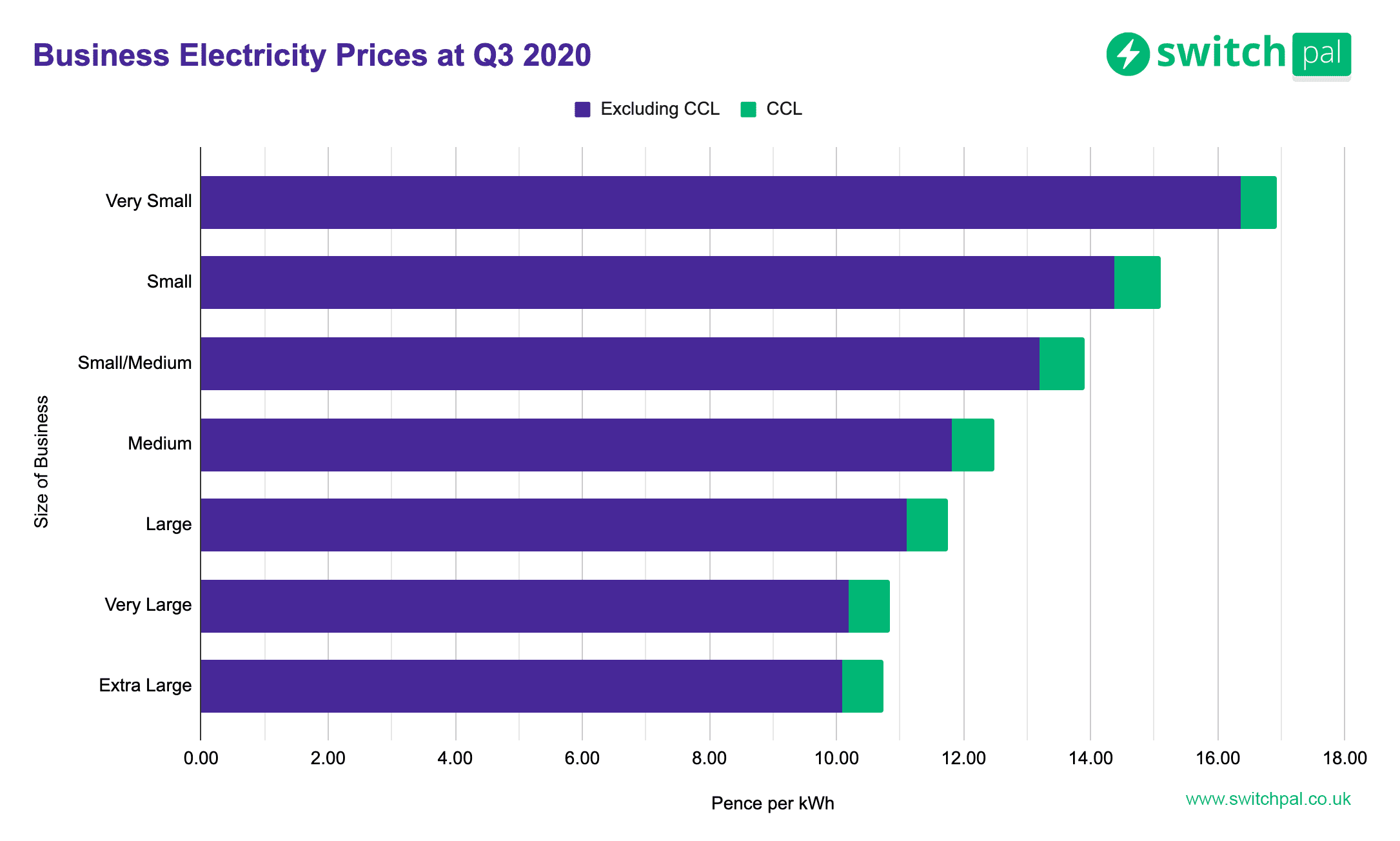
Alright, grab a cuppa and settle in, because we're about to dive into a topic that, believe it or not, can be as thrilling as watching paint dry... unless that paint is drying into a giant pile of cash. Yes, I'm talking about electricity prices for your business. I know, I know, the excitement is almost unbearable! But trust me, ignoring this can be like leaving your front door open while whispering, "Please, anyone, come take my money!"
Most business owners, myself included, have a love-hate relationship with their electricity bill. You love that it powers your coffee machine, your computers, and that slightly dodgy office fridge. You hate it because, well, it’s a bill. And sometimes, it feels like it’s written by a villain who just points at random numbers and cackles. But here's the kicker: that villain isn't always in charge! You, my friend, have more power than you think.
Why Your Electricity Bill Isn't a Fixed Fate (and How to Fight Back!)
Picture this: you're running a fantastic little bakery. The aroma of freshly baked goods fills the air, customers are happy, and then BAM! The electricity bill arrives, looking less like a friendly invoice and more like a ransom note. "Is this really how much I'm supposed to pay?" you wonder, sipping your now-cold coffee. The answer, often, is a resounding NO!
Must Read
Many businesses just stick with their incumbent electricity provider, the one they inherited when they moved in. It’s easy, it’s familiar, and it’s usually more expensive. It’s like dating the first person who ever asked you out, even if there’s a whole world of amazing people waiting. You might be missing out on a partner who offers better rates, more flexible terms, or even throws in a free toaster (okay, maybe not a toaster, but you get the drift!).
The surprising fact? In many parts of the world, especially in deregulated energy markets, you have a choice of electricity suppliers. This isn't like buying milk where a gallon is a gallon. Electricity is a commodity, and suppliers compete for your business. Imagine if your landlord had to compete with a dozen other landlords for your rent! That's the kind of power you have here.
Untangling the Watts and the Wows: What to Look For
So, you're ready to break up with your old, expensive energy provider? Excellent! But before you start swiping right on every energy company, let's understand a few things. It’s not just about the headline price; it’s about the whole package.
1. Know Thyself (and Your Usage)
You can't compare apples to oranges if you don't know how many apples you're eating. The first step is to understand your business's electricity consumption. Get a copy of your recent bills. Look for your Kilowatt-hour (kWh) usage. Is it consistent? Does it spike in summer (A/C!) or winter (heating!)? Knowing your usage patterns is like having a secret decoder ring for energy quotes.
2. Fixed vs. Variable: Choose Your Adventure
Energy contracts generally come in two flavors:
- Fixed-Rate Contracts: This is like locking in your phone plan for two years. You pay the same rate per kWh no matter what happens in the energy market. Great for budget certainty! Think of it as a reliable, albeit slightly boring, friend.
- Variable-Rate Contracts: The price per kWh fluctuates with the market. It can be cheaper when demand is low, but also skyrocket during peak times (like a heatwave when everyone's blasting their AC). This is for the thrill-seekers, the risk-takers, or those who enjoy a bit of financial bungee jumping.
For most businesses, especially small to medium-sized ones, a fixed-rate contract often provides the stability and predictability needed for budgeting. You don't want your electricity bill to be a monthly lottery ticket.

3. Don't Get Fooled by "Low" Prices: Read the Fine Print!
Some suppliers will dazzle you with a super-low per-kWh rate. But hold your horses! There can be other charges lurking in the shadows:
- Daily standing charges: A fixed daily fee just for being connected.
- Capacity charges: Based on your peak demand, not just total usage.
- Transmission and distribution charges: These cover the cost of getting the electricity from the power plant to your meter. Often regulated, but suppliers might package them differently.
- Environmental levies or taxes: Because, well, taxes.
Always ask for the all-inclusive rate or a detailed breakdown. Don't be afraid to channel your inner detective. Read the terms and conditions! They might be written by lawyers who studied ancient hieroglyphics, but it's worth the effort to understand what you're signing.
The Hunt: How to Actually Compare
Okay, armed with your usage data and newfound wisdom about contract types, how do you find a better deal? It's easier than you think:
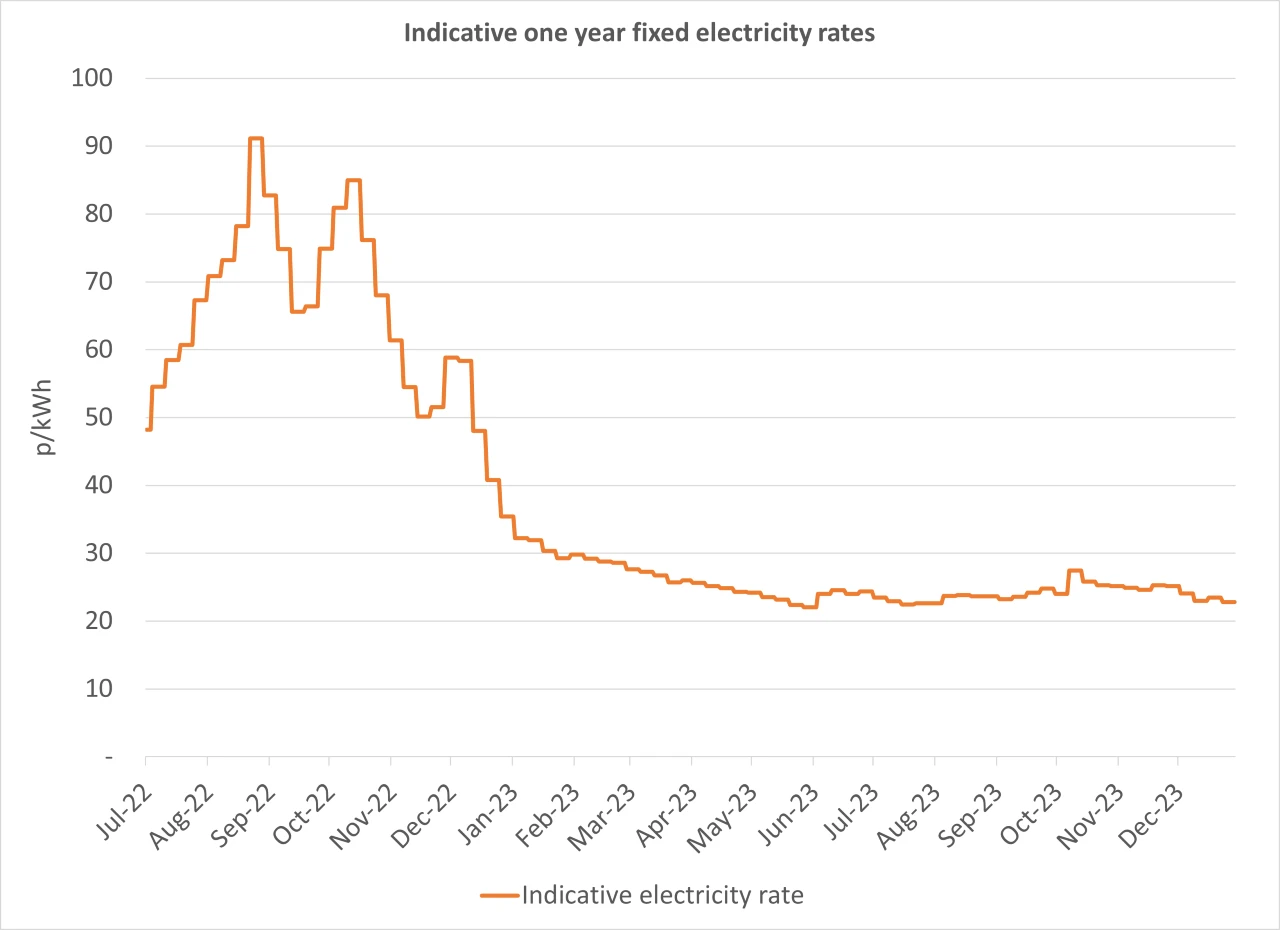
1. Use Comparison Websites (The Matchmakers)
Just like finding car insurance or a new phone, there are websites specifically designed to compare business electricity suppliers. These are your energy matchmakers. They gather quotes from various providers, saving you hours of phone calls. Just plug in your details, and watch the offers roll in.
2. Contact Suppliers Directly (The Cold Callers)
Don't be shy! Call up a few different energy companies directly. Tell them you're shopping around and ask for their best commercial rates. Some suppliers might offer exclusive deals not found on comparison sites, especially if you hint that you're a serious buyer.
3. Consider an Energy Broker (The Professional Wingman)
If you're too busy running your empire (or just really dislike talking on the phone), an energy broker can do the heavy lifting for you. They work with multiple suppliers, understand the market intricacies, and can negotiate on your behalf. They get paid a commission by the supplier (which might be baked into your rate), so ensure they're transparent about their fees.

4. Don't Be Afraid to Switch!
The biggest myth is that switching is a nightmare. It’s usually quite smooth. Your new provider handles most of the paperwork, and often there's no interruption to your service. It's like changing mobile networks – same phone, different bill. The only thing that might be interrupted is your current provider's profit margin, and honestly, that's just good business.
The Bottom Line: Save That Cash!
Comparing electricity prices for your business isn't just about being frugal; it's about being smart. It's about taking control of an often-overlooked expense and turning it into a competitive advantage. Imagine what you could do with an extra 10%, 20%, or even 30% savings on your annual energy bill! That's new equipment, marketing campaigns, or even just a well-deserved treat for your team.
So, next time that electricity bill lands on your desk, don't just sigh and pay it. See it as an invitation to a treasure hunt. A hunt where the prize isn't gold, but cold, hard cash that stays right where it belongs: in your business's bank account. Now, go forth and conquer those kWh charges!