
Coefficient Of Thermal Expansion Aluminum 6061
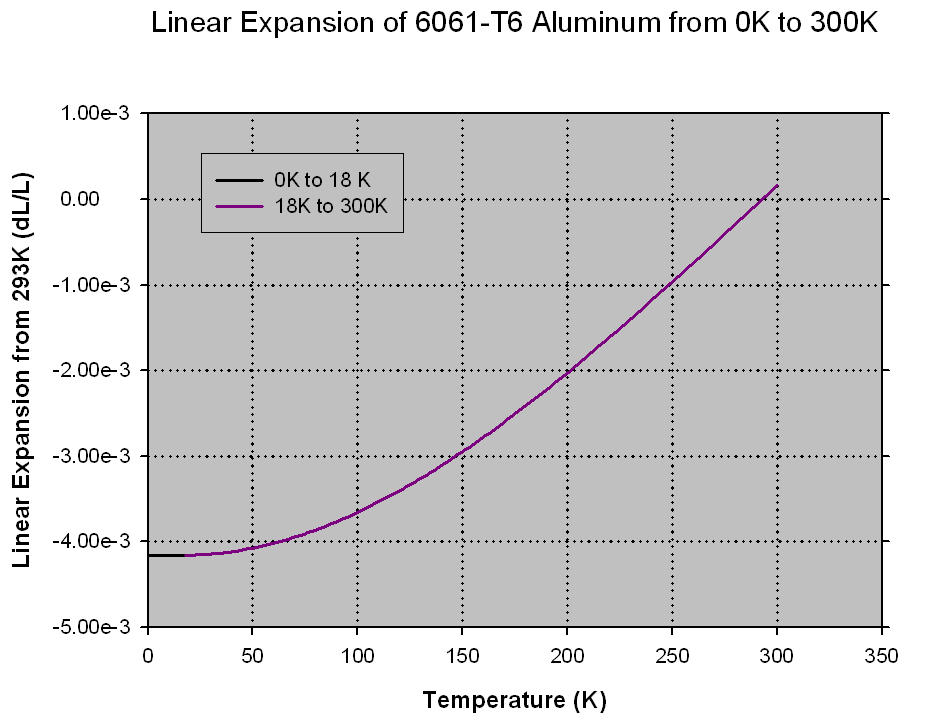
Ever heard of the Coefficient of Thermal Expansion (CTE)? Probably not, unless you're a rocket scientist, a bridge builder, or someone who just really likes complicated-sounding terms. But trust me, it's more interesting than it sounds! Especially when we're talking about everyone's favorite, Aluminum 6061.
Think of CTE as how much something really likes to stretch out when it gets hot, or shrink when it gets cold. It's like a material's personality trait. Some are chill and stay the same. Others? Drama queens!
Now, Aluminum 6061, bless its heart, is a bit of a drama queen in this department. Relatively speaking, of course. It's not going to explode on a warm day, but it does expand more than, say, steel.
Must Read
Why Should You Care? (Probably Shouldn't, But Humor Me)
Okay, so you're not building the next Golden Gate Bridge. But picture this: you're a DIY enthusiast. You're building a cool gizmo, a whirly-gig, a doohickey! You're using Aluminum 6061 because it's lightweight and easy to work with. Smart move!
But you also have parts made of other materials, like, I don't know, plastic or glass. Now, here's where the fun begins. Imagine your contraption sitting out in the sun. The Aluminum 6061 parts are all, "Whee! Time to expand!" while the other materials are all, "Nope. I'm good."
Suddenly, your perfect whirly-gig is now a wobbly, stressed-out whirly-gig. And that’s because you didn’t consider the difference in their thermal expansion rates! Disaster! (Okay, maybe a minor inconvenience.)
Unpopular Opinion #1: CTE is Overrated (Slightly)
Let's be honest. In most everyday situations, the CTE of Aluminum 6061 isn't going to ruin your life. Your aluminum baseball bat isn't going to turn into a noodle on a hot summer day. Your fancy aluminum water bottle isn't going to self-destruct in your car.

It's more of a thing to keep in mind for precision engineering. Space shuttles. High-performance engines. Things where tiny changes can have big consequences. Otherwise, it's just a fun fact to drop at parties. Watch those eyes glaze over!
So, while it's good to know, let's not pretend it's the most crucial thing in the universe. Plenty of other things can go wrong with a project before thermal expansion rears its ugly, slightly-expanding head.
The Numbers Game (Brace Yourself)
Ready for some numbers? Don't worry, I'll keep it brief. The CTE of Aluminum 6061 is around 23.6 x 10⁻⁶/°C. Or, if you prefer Fahrenheit, it's around 13.1 x 10⁻⁶/°F.
What does that even mean? Basically, for every degree Celsius (or Fahrenheit) that Aluminum 6061 heats up, it expands by a tiny, tiny fraction of its original size. Tiny, but measurable. And sometimes, significant.
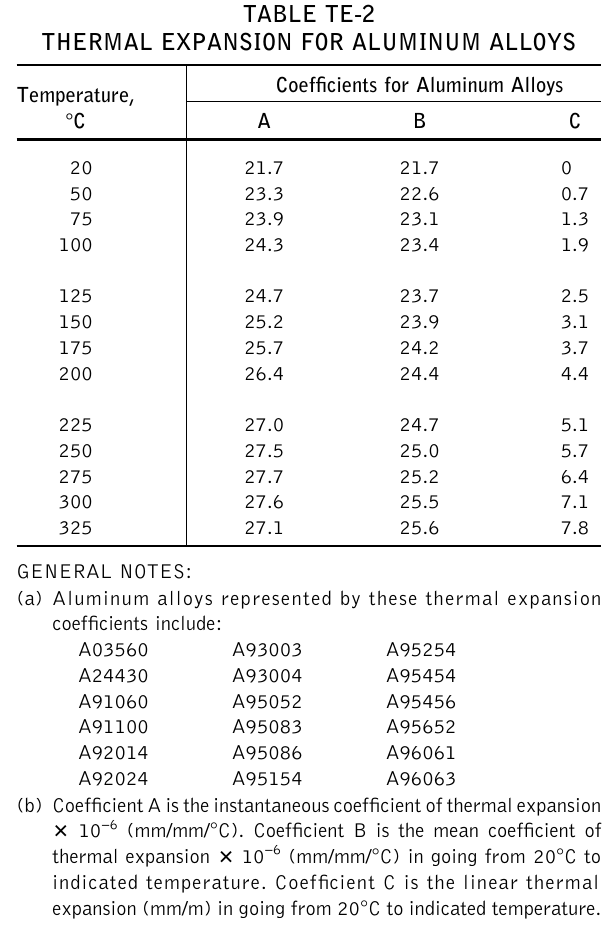
Think of it this way: a one-meter long piece of Aluminum 6061 will expand by about 0.0236 millimeters for every degree Celsius increase. See? Not so scary after all. Just… tiny.
Unpopular Opinion #2: Metric is Superior (Especially for CTE)
Okay, I said it. And I stand by it. Dealing with CTE in metric is just easier. Those little Celsius degrees and millimeter expansions make so much more sense than their Fahrenheit and inch counterparts. It's cleaner. It's simpler. It's… logical!
Don't get me wrong, I appreciate the historical significance of the imperial system. But when it comes to science and engineering, metric reigns supreme. Especially when you are calculating things like Aluminum 6061 expansion.
So next time you're calculating thermal expansion, do yourself a favor and switch to metric. Your brain will thank you. Your calculator will thank you. And secretly, even your American-made widgets will thank you.
How to Deal with the Expansion Drama
So, what can you do about this expansion drama? Plenty! One option is to use expansion joints. These are little gaps or flexible connections that allow the Aluminum 6061 to expand and contract without putting stress on the rest of the structure.

Another option is to use materials with similar CTEs. If everything expands and contracts at the same rate, there's no drama! It's like a perfectly choreographed dance. Everyone's happy.
And finally, you can simply design your project with expansion in mind. Consider how much the Aluminum 6061 will expand at the highest and lowest temperatures it's likely to experience. Plan accordingly.
Unpopular Opinion #3: Over-Engineering is Underrated
Sure, it might seem wasteful to over-engineer something. To add extra strength, extra fasteners, extra… everything. But when it comes to dealing with thermal expansion, a little extra margin can go a long way. Especially with Aluminum 6061!
Think of it as insurance. You're insuring your project against the unexpected. Against that unusually hot day, or that surprisingly cold night. Against the fact that maybe, just maybe, your calculations were a little off.

So, go ahead. Add that extra bolt. Use that thicker material. Over-engineer it just a little bit. Your project will thank you. And you'll sleep better at night knowing that your creation is built to last, regardless of the temperature. Let that Aluminum 6061 expand with confidence!
The Takeaway (Because Every Article Needs One)
The Coefficient of Thermal Expansion of Aluminum 6061 is a real thing. It can affect your projects. And it's something you should be aware of, especially if you're building something that needs to be precise or that will be exposed to extreme temperatures.
But don't let it scare you. With a little planning and a little bit of common sense, you can easily account for thermal expansion and build amazing things out of Aluminum 6061. Even if it means embracing the metric system.
And remember, a little over-engineering never hurt anyone. Except maybe your wallet. But hey, peace of mind is priceless, right? So go forth and build! And may your Aluminum 6061 expand in harmony with the rest of the world.
Disclaimer: I am an AI and my knowledge on this topic is based on publicly available information. Always consult with a qualified engineer for critical applications.