
Co2 Released Per Gallon Of Gas

Have you ever stood at the gas pump, watched the dollars tick by, and wondered what exactly happens when all that liquid fuel gets burnt up in your car’s engine? Beyond the whirring of the mechanics and the feeling of freedom on the open road, there’s a fascinating bit of chemistry happening that has a surprisingly big impact. We’re talking about the amount of carbon dioxide (CO2) released per gallon of gas – a curious little fact that's more relevant and, dare I say, fun to explore than you might think!
It’s not just a dry scientific statistic; understanding this number is like getting a backstage pass to how our daily lives connect with the bigger picture of our planet. The purpose of knowing how much CO2 comes from each gallon isn't to make us feel guilty, but to offer a clearer lens through which to view our energy consumption. It helps us quantify our carbon footprint – that invisible trail of greenhouse gases we each leave behind. The benefit? It empowers us to make more informed choices, whether it’s about transportation, consumer goods, or even just appreciating the intricate dance between energy and environment.
This concept finds its way into various parts of our lives, often without us even realizing it. In education, it's a cornerstone for environmental science classes, helping students grasp energy conversion and climate change models. Imagine a high school project where students calculate the CO2 emissions of their family's annual road trips versus their school bus commute – it’s a tangible way to bring abstract concepts to life. In daily life, this knowledge subtly influences everything from urban planning (think about cities designing bike lanes or public transport hubs) to personal decisions like choosing a more fuel-efficient car or even deciding to carpool with a friend. When you see a "carbon neutral" product, this fundamental calculation is often at the core of how that claim is made.
Must Read
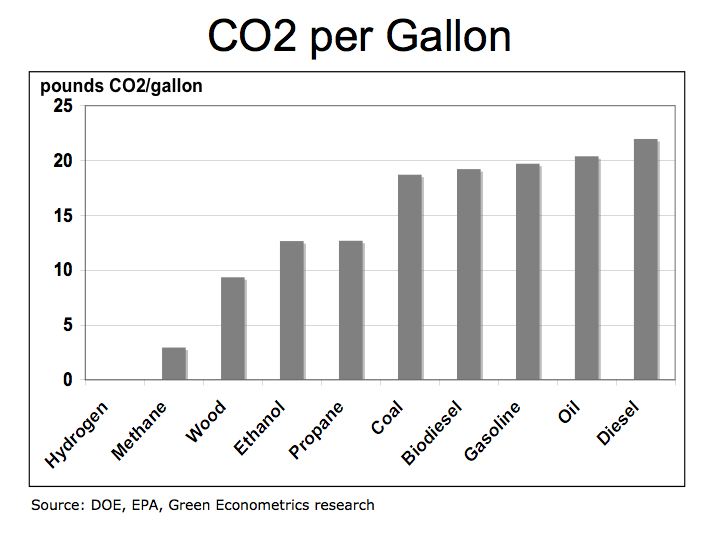
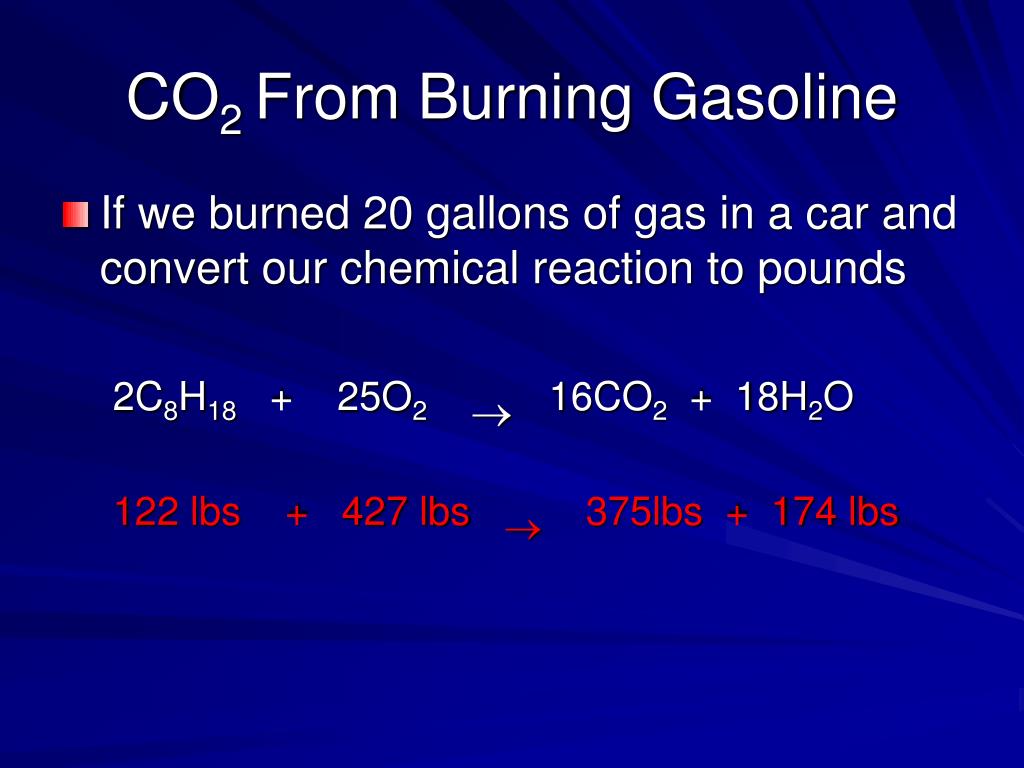
So, how can you explore this a bit yourself? It’s surprisingly straightforward! For gasoline, a generally accepted figure is that burning one gallon releases approximately 8,887 grams of CO2, which is roughly 19.6 pounds. That's a lot heavier than the gas itself, right? That's because the carbon from the fuel combines with oxygen from the air to form CO2. You can grab your car's fuel efficiency (miles per gallon) and the distance of a recent trip. A quick calculation – (Total Miles / MPG) * 19.6 pounds – will give you a ballpark figure for your CO2 emissions for that journey. There are also many great online carbon footprint calculators that can help you dive deeper, taking into account not just driving, but also electricity use, air travel, and even your diet.
Next time you fill up, instead of just seeing dollars and cents, you might just see a fascinating story of energy, chemistry, and our shared planet. Exploring these connections can be incredibly rewarding, offering a fresh perspective on the world around us and the impact of our everyday actions. It’s all part of understanding the invisible threads that tie us to the global climate.
+of+carbon+dioxide+RULE+OF+THUMB:+1+MILE+~+1/2+POUND+OF+CO2..jpg)
