Cnc Machined Parts For Medical Equipment Manufacturer
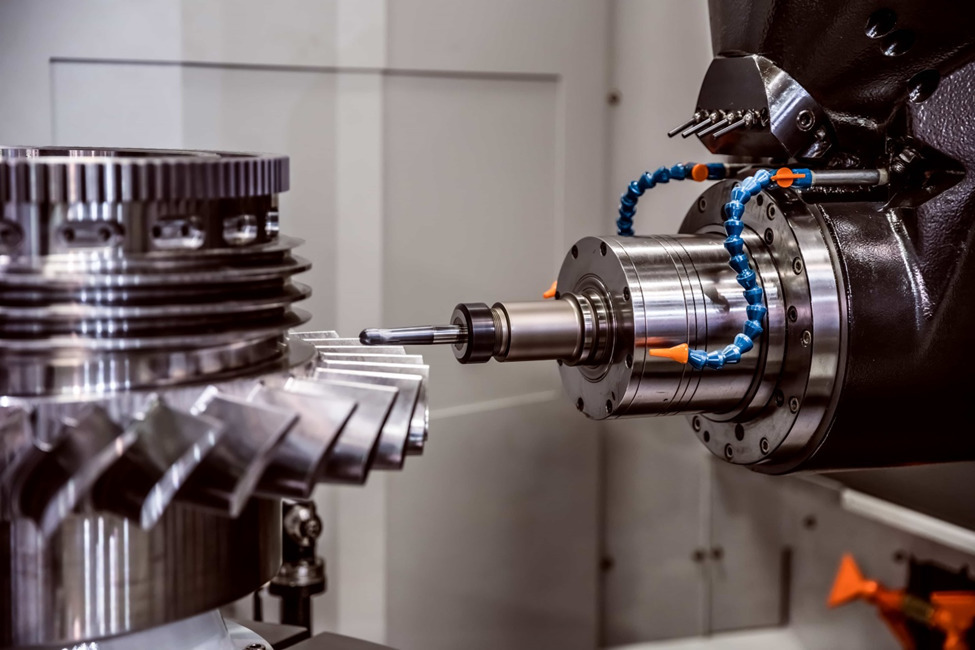
Ever wondered how that super-precise surgical tool works, or what makes your dentist's drill so, well, drill-y? Chances are, CNC machined parts are playing a starring role behind the scenes. It's like having a tiny, super-skilled robot crafting essential components for the medical world. And trust me, you should care about this, because it impacts everything from your annual check-up to life-saving procedures!
What Exactly Are CNC Machined Parts?
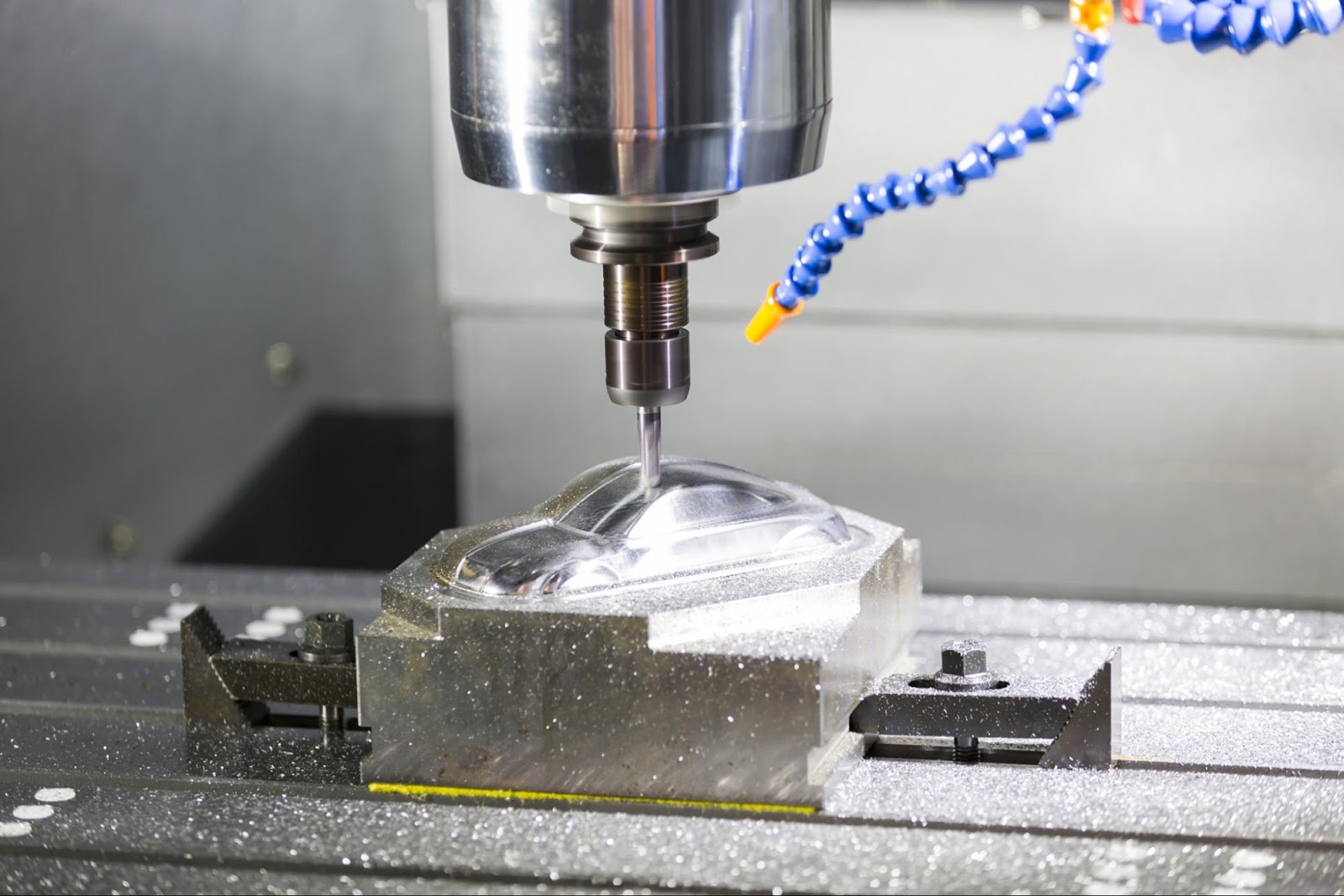
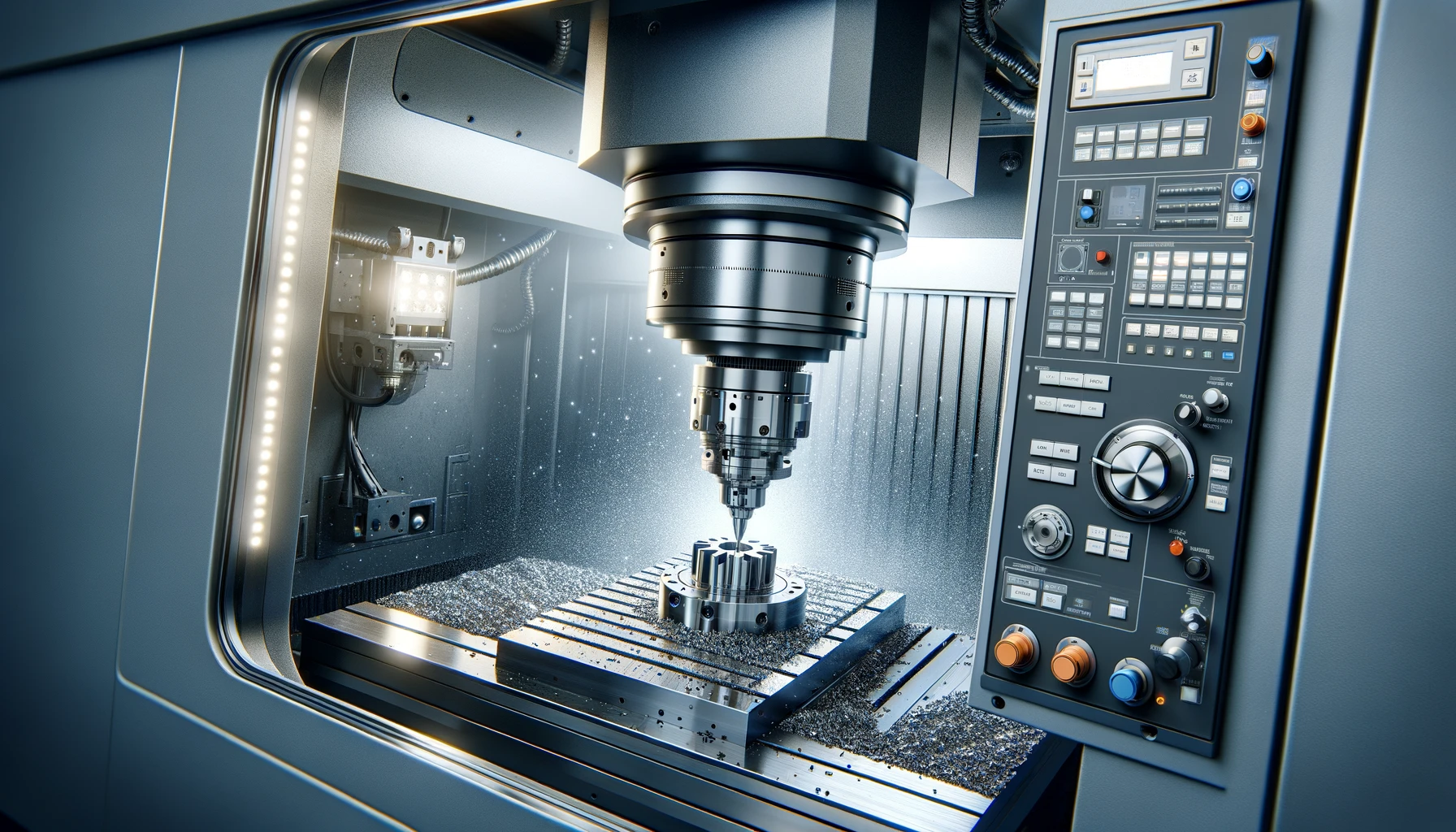
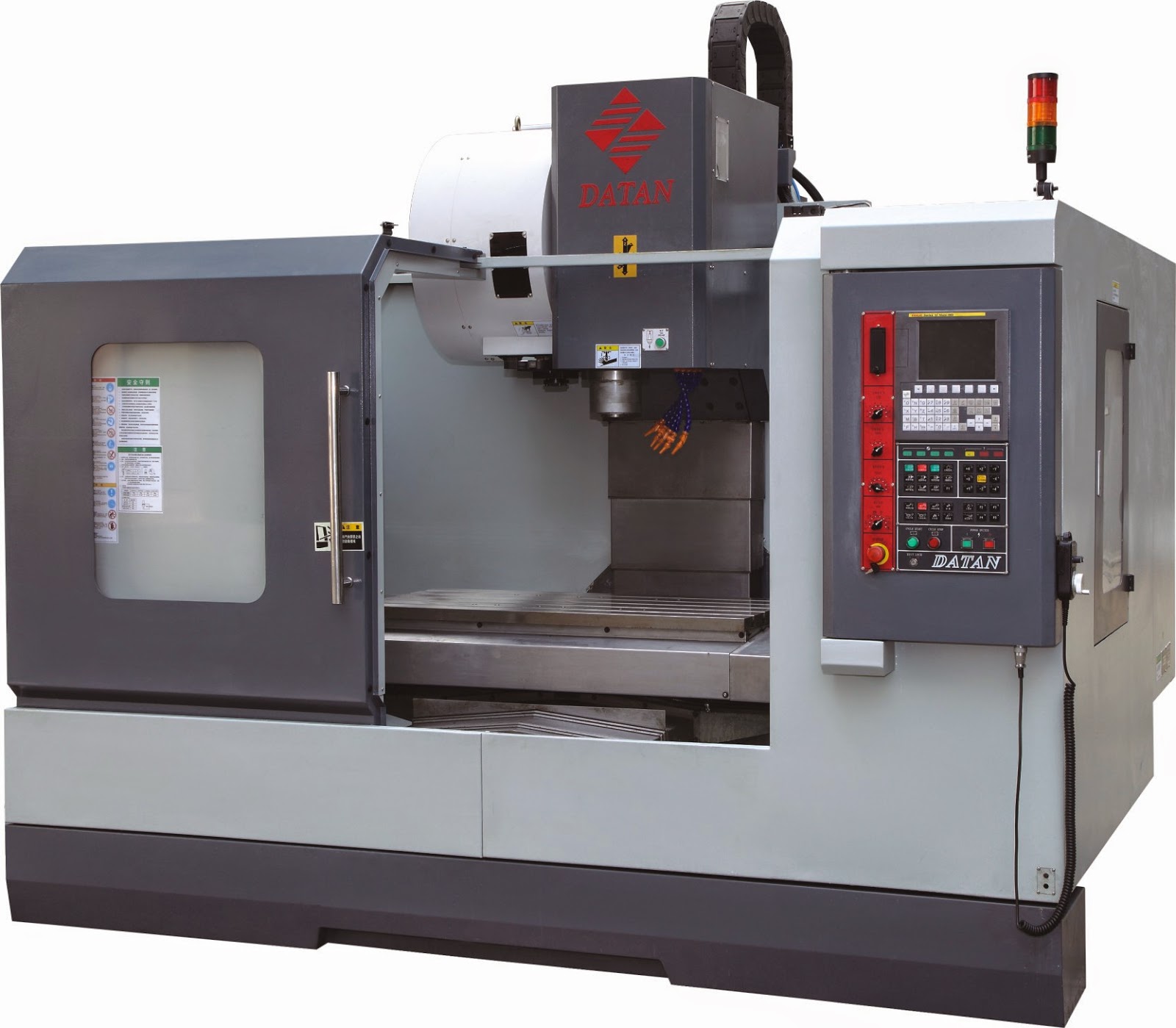
Okay, let's break it down. CNC stands for Computer Numerical Control. Think of it as a super-smart, computer-controlled milling machine or lathe. Instead of a human manually operating the machine, a computer program tells it exactly what to do. It's like giving a chef a detailed recipe – only this chef is a tireless, ultra-precise machine.
These machines can carve and shape different materials, like metals, plastics, and even ceramics, into extremely precise parts. Imagine trying to carve a perfect miniature Eiffel Tower out of metal with just a hand file. Pretty tough, right? A CNC machine does it with incredible accuracy and speed.
Must Read
Why Medical Equipment Manufacturers Love Them
Now, why are medical equipment manufacturers so smitten with CNC machining? A few reasons, actually:
- Precision is Key: In the medical field, accuracy is everything. A tiny millimeter off in a surgical instrument can have huge consequences. CNC machining delivers the kind of precision that's simply impossible to achieve by hand. Think of it like this: you wouldn't want your glasses prescription to be "close enough," would you? You want it spot-on!
- Complex Geometries Made Easy: Medical devices often have intricate designs with curves, angles, and tiny features. CNC machines can handle these complexities with ease, creating parts that would be incredibly difficult, or even impossible, to manufacture using traditional methods. Imagine trying to sculpt the inner workings of a hearing aid by hand – yikes!
- Consistency is King: Imagine needing a replacement part for a vital piece of hospital equipment. You want it to be identical to the original. CNC machining ensures consistency across every single part produced. This is crucial for maintaining the safety and reliability of medical devices. It’s the difference between a reliable car that always starts and one that leaves you stranded on the side of the road.
- Speed and Efficiency: CNC machines can run 24/7, producing parts much faster than manual methods. This means medical equipment manufacturers can get their products to market more quickly, and hospitals can get the equipment they need to save lives. It’s like the difference between ordering takeout and waiting for a home-cooked meal – sometimes, you need that quick delivery!
Examples in Your Everyday Life (Probably!)
Okay, so where do you encounter these CNC machined parts in the medical world? Prepare to be amazed:

- Surgical Instruments: From scalpels to forceps to robotic surgery arms, CNC machining helps create the incredibly precise tools surgeons rely on.
- Implants: Hip replacements, dental implants, and even pacemakers often contain CNC machined components.
- Diagnostic Equipment: MRI machines, CT scanners, and ultrasound devices all rely on precisely machined parts to function properly.
- Dental Equipment: Your dentist's drills, X-ray machines, and even the suction tool that keeps your mouth dry often have CNC machined parts.
- Lab Equipment: From centrifuges to pipettes, laboratory equipment needs to be precise and reliable, often relying on CNC machined components.
Next time you’re at the doctor or dentist, take a moment to appreciate the unseen work of these tiny, tireless robotic machinists. They're working hard to ensure that the medical equipment you rely on is accurate, reliable, and helps you stay healthy. Think of them as the unsung heroes of modern medicine – diligently crafting the tools that help keep us all ticking!
So, the next time you hear about CNC machining, don't glaze over. Remember, it's not just about gears and gadgets; it's about your health, your well-being, and the incredible technology that's making modern medicine possible. It’s a behind-the-scenes miracle, really. And it’s pretty darn cool.