
Change Active Voice To Passive Voice
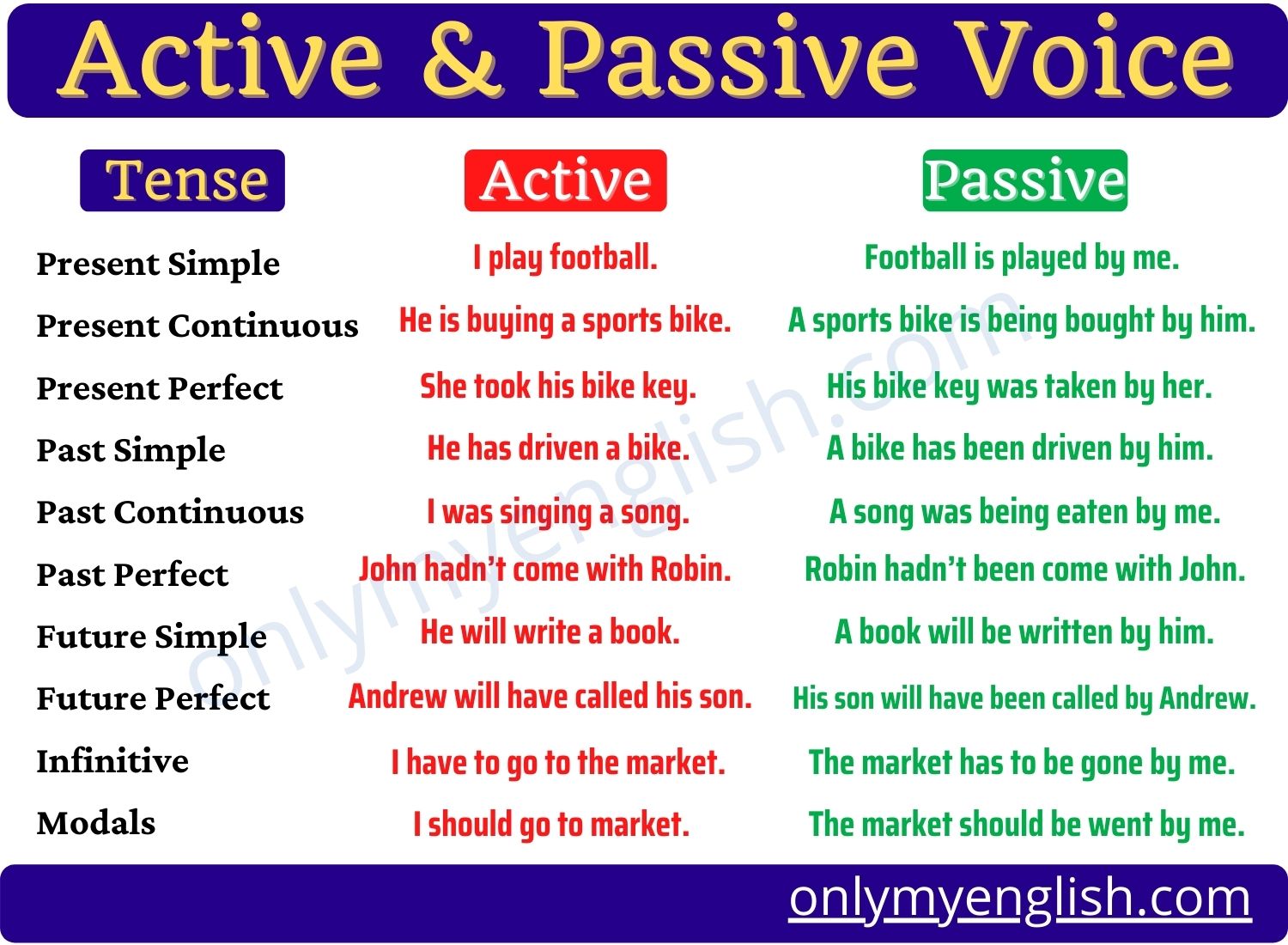
Ever feel like you're just going through the motions, letting things happen to you instead of making them happen? Well, even language can feel that way sometimes! We're talking about active and passive voice. Don't glaze over just yet! It's way simpler, and more useful, than you might think. Think of it as a secret superpower for your writing and speaking.
What's the Big Deal with Active and Passive Voice?
Okay, so what exactly is active and passive voice? Imagine this: you're making cookies. In active voice, you'd say "I baked the cookies." Simple, right? You (the subject) are actively doing the baking (the verb) to the cookies (the object). You're the star of the show!
Now, in passive voice, the cookies become the star! You'd say, "The cookies were baked by me." See how the focus shifted? The cookies are now the subject, and you are kind of an afterthought. The action (baking) is being done to the cookies, not by them (obviously, unless we're talking about some very ambitious gingerbread people!).
Must Read
Let's try another one. Active: "The dog ate my homework!" (We've all been there, right?). Passive: "My homework was eaten by the dog." Notice the difference? Active is direct and clear. Passive is…well, pass-ive. It's like politely sidestepping responsibility.
Why Should I Even Care?
You might be thinking, "Okay, cool cookie analogies, but why should I bother learning this grammar stuff?" Great question! Here’s the lowdown:
Clarity: Active voice makes your writing and speech clearer and more direct. It's easier for your audience to understand who did what, which means less confusion and fewer awkward pauses in conversations.
Impact: Active voice is more impactful and engaging. It feels more assertive and confident. Think of it like this: "The company announced record profits!" sounds way more exciting than "Record profits were announced by the company." The active version just pops!

Responsibility (or Avoiding It!): Sometimes, you actually want to use passive voice. Why? Because it allows you to avoid taking responsibility. Imagine a politician saying, "Mistakes were made." It's vague and avoids directly blaming anyone. Clever, but not always ethical! Think carefully about using passive voice to downplay a situation.
Emphasis: Passive voice can be useful when you want to emphasize the object of the action rather than the actor. For example, "The Mona Lisa was painted by Leonardo da Vinci." We're focusing on the Mona Lisa, which is the more important element in that sentence for most people, not Leonardo's brushstrokes.
From Everyday Life to Superpowers: Examples!
Let's see how this plays out in real life:
Instead of: "The email was sent by me." (Passive, sounds a bit formal and detached.)
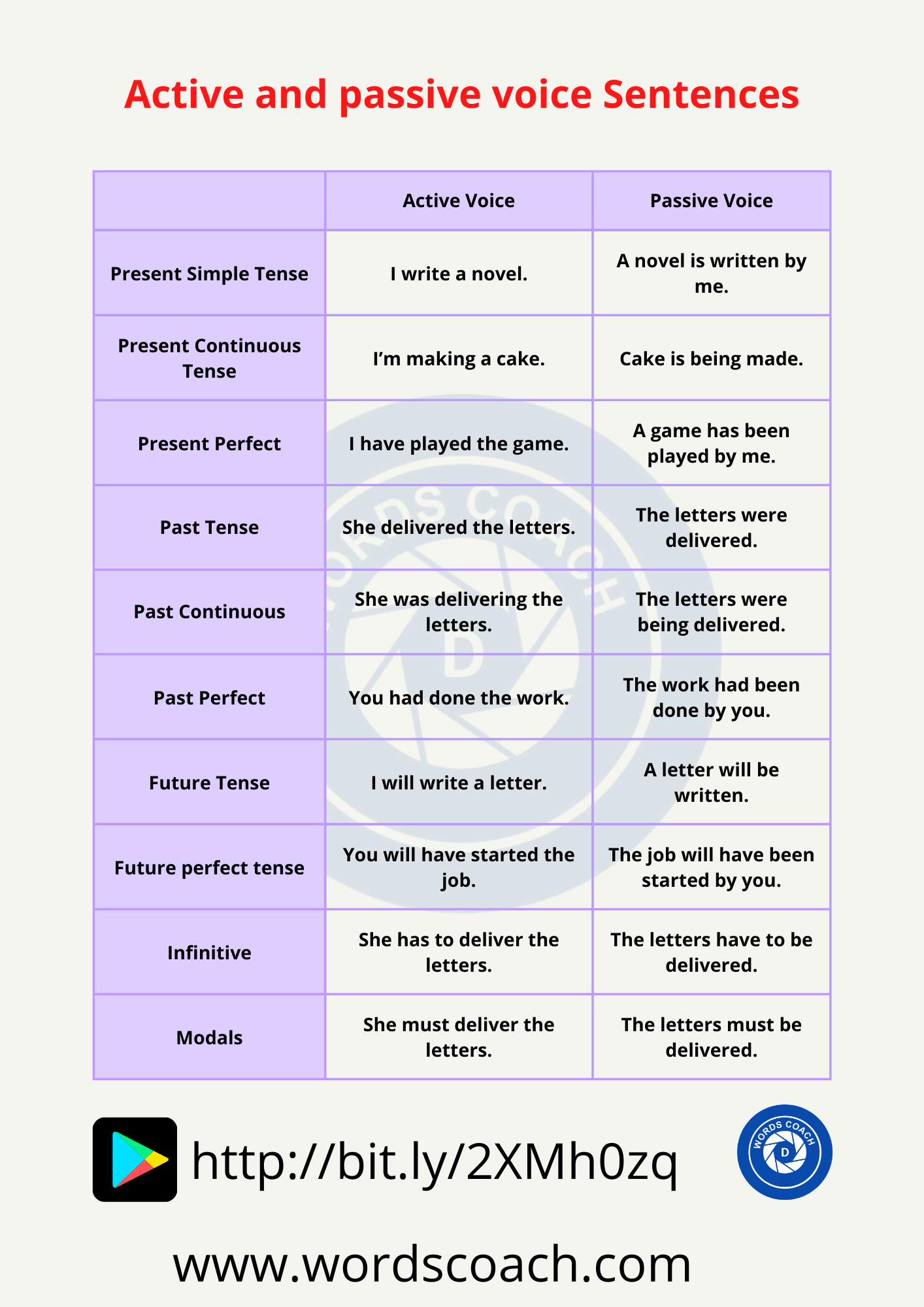
Try: "I sent the email." (Active, clear and direct.)
Instead of: "The mistake was discovered by the team." (Passive, deflecting blame.)
Try: "The team discovered the mistake." (Active, more honest and accountable.) OR if you want to really soften the blow: "The mistake was discovered during routine checks." (Passive, removes blame entirely - use sparingly!).
Imagine you're writing a recipe. Which sounds better?

Passive: "The ingredients are mixed together in a bowl."
Active: "Mix the ingredients together in a bowl."
The active version is punchier and more instructive. It’s like the recipe is giving you a gentle nudge, saying, "Come on, let's get cooking!"
Turning Passive into Active: A Quick Guide
So, how do you transform a passive sentence into an active one? It's easier than you think! Here are a few simple steps:
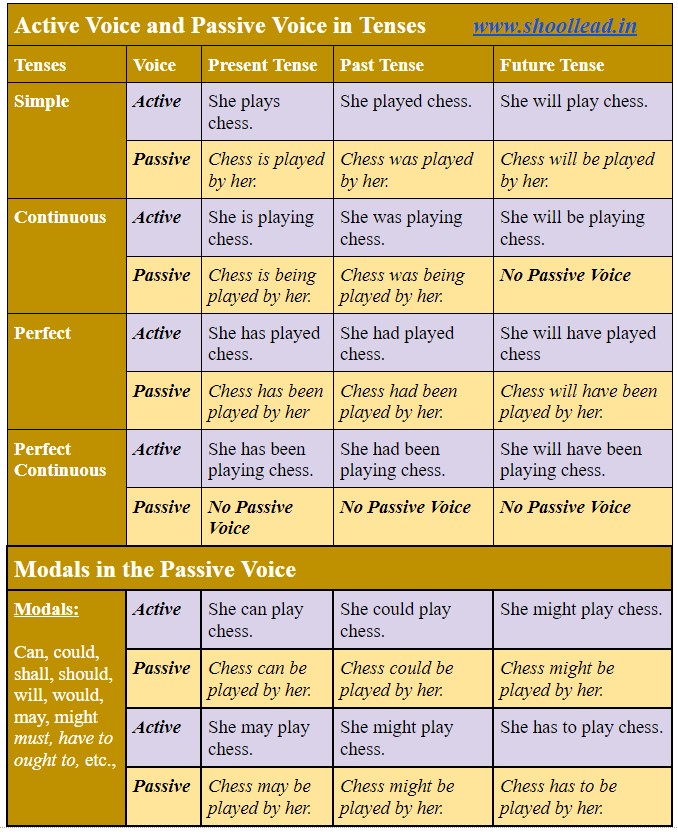
- Identify the actor: Who or what is doing the action?
- Make the actor the subject: Put them at the beginning of the sentence.
- Use the active form of the verb: Make sure the verb agrees with the subject.
For example, let's change "The car was washed by John" to active voice.
- Actor: John
- Subject: John
- Active verb: Washed
So, the active version is: "John washed the car." Boom! Done.
Practice Makes Perfect (and More Powerful!)
Don't worry if you don't get it right away. Like any skill, mastering active and passive voice takes practice. Start by paying attention to how you write and speak. Identify sentences that are in passive voice and try to rewrite them in active voice. You’ll be amazed at how much clearer and more impactful your communication becomes. Think of this as your new superpower. Go forth and conquer the world with your newfound linguistic prowess! And maybe bake some cookies... actively, of course!
Remember, choosing between active and passive voice is like choosing the right tool for the job. Sometimes you need a hammer (active voice – strong and direct), and sometimes you need a delicate brush (passive voice – subtle and nuanced). Understanding the difference gives you the power to communicate exactly what you mean, in the way that best suits your needs.