Central Heating Hot Upstairs Cold Downstairs
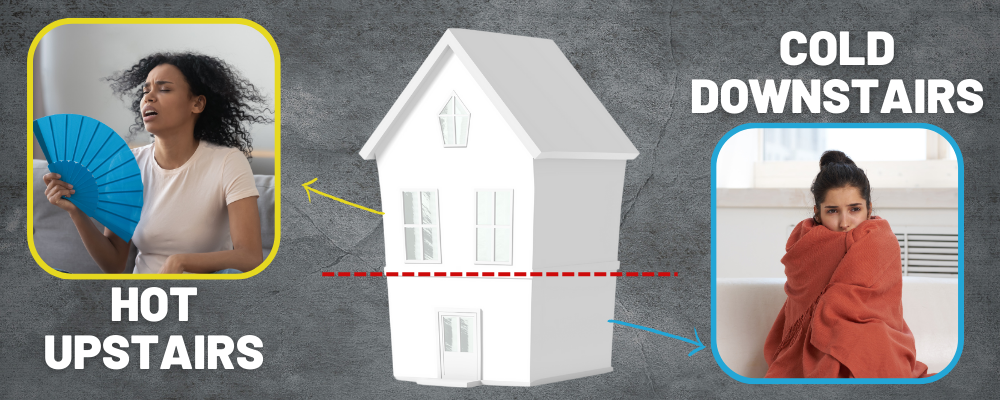
Ah, the joys of winter! Roaring fires, cozy blankets, and… a perpetual temperature gradient in your own home? Yes, we're talking about the age-old phenomenon of central heating hot upstairs, cold downstairs. While often viewed as a household inconvenience, let’s reframe it! Think of it as a source of inspiration, a blank canvas for creativity, and a uniquely versatile environment ripe for exploration. Believe it or not, this temperature divide can be a boon for artists, hobbyists, and anyone seeking a little domestic dynamism.
For the creatively inclined, a temperature-differentiated house offers a surprising range of benefits. Imagine this: the cooler downstairs, ideal for activities requiring focus and precision. Artists who work with delicate materials like clay or pastels will appreciate the controlled environment, preventing premature drying or smudging. Similarly, hobbyists building intricate models or soldering electronics find the lower temperatures conducive to concentration. On the other hand, the warmer upstairs becomes a haven for activities demanding less precision and more… well, languor. Think creative writing, sketching loose abstracts, or even simply brainstorming ideas while nestled under a duvet. The change of environment can spark new perspectives and break creative blocks.
Consider the possibilities! A sculptor might dedicate the cold basement to hammering out a rough form, then move the piece upstairs for finer detail work. A painter could layer thin washes of watercolor downstairs, letting them dry slowly, and then move upstairs for adding thicker, more vibrant impasto textures. A writer might draft a fast-paced action scene in the stimulating warmth of the upstairs, then retreat to the cooler downstairs to meticulously edit dialogue and refine plot points. The "central heating gradient" becomes a dynamic tool, influencing not only the creative process but also the final product.
Must Read
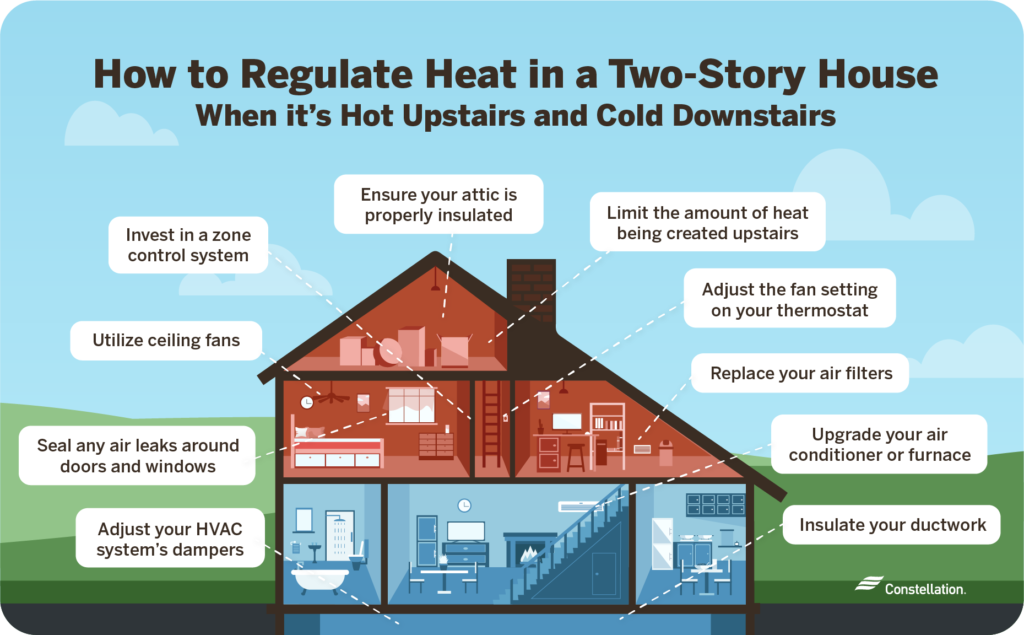
Want to harness the power of your own temperature-divided house? Here are a few tips: Embrace zoning! Designate specific activities to different zones. Use a thermometer in each area to track the actual temperature differences. Experiment with different lighting in each zone to further enhance the mood and functionality. Invest in portable heaters or fans to fine-tune the temperature in specific areas as needed. Don't be afraid to rearrange your furniture or reorganize your spaces to better suit your creative needs. A comfortable chair and a well-placed lamp can make all the difference in the world.
But beyond the practical applications, there's a deeper reason why embracing your home's unique thermal profile can be enjoyable. It’s about accepting the imperfections, the quirks that make your house uniquely yours. It's about finding beauty in the mundane and turning a perceived problem into an opportunity for creative exploration. So, the next time you feel the chill creeping up your ankles downstairs while your head's sweltering upstairs, don't despair! Instead, smile, grab your sketchbook, and get creating. Who knows what masterpieces await?