Central Air Conditioner Problems Not Cooling
Okay, let's be real. There's almost nothing worse than stepping inside on a scorching summer day, expecting that sweet, sweet blast of cool air, only to be met with… well, basically the same temperature you just escaped outside. Your central AC is acting up, and it's not a vibe. We've all been there, haven't we? It's like ordering a pizza and finding out they forgot the cheese. Utter disappointment. But don't sweat it (literally!). Let's troubleshoot why your AC is feeling more like a lukewarm breeze than an arctic blast.
The Usual Suspects: Filters and Thermostats
First things first, let's tackle the low-hanging fruit. Think of your AC filter like the lint trap in your dryer. Ignore it, and things get clogged. A dirty air filter restricts airflow, forcing your AC unit to work harder (and less efficiently) to circulate air. This can lead to it not cooling properly. The fix? Simple: replace your filter! Aim for every 1-3 months, depending on usage and the type of filter you have. It's like changing the oil in your car – preventative maintenance is key! A clean filter ensures optimal performance.
Next up, the thermostat. Is it set correctly? I know, I know, it sounds obvious, but you'd be surprised. Make sure it's on "cool," the temperature is set low enough, and that it's not in "fan only" mode. Think of it as double-checking you've actually plugged your phone in before complaining it's not charging. Also, consider the thermostat's location. Is it in direct sunlight or near a heat source like a lamp? A skewed reading will mess with your AC's ability to regulate temperature. Consider a smart thermostat; these gadgets are pretty cool with features like smart scheduling and remote access.
Must Read
Refrigerant: The Coolant of Coolness
Think of refrigerant as the lifeblood of your AC system. It's the substance that absorbs heat and cools the air. If your AC is low on refrigerant, it won't cool effectively. This is a job for a professional. Low refrigerant often indicates a leak, and trying to DIY a refrigerant fix can be dangerous. Call an HVAC technician ASAP! They'll locate and repair the leak, then recharge the system. Ignoring this issue can cause major damage to your compressor, leading to costly repairs.
Condenser Coils: Cleanliness is Key
Your outdoor condenser unit houses the coils that release heat. Over time, these coils can become covered in dirt, debris, leaves, and even those pesky cottonwood fluffs that seem to be everywhere in the spring. This buildup insulates the coils, preventing them from releasing heat efficiently. Result? Your AC struggles to cool your home. The solution? Gently clean the coils with a garden hose. Turn off the power to the unit first, and use a soft brush to remove any stubborn debris. Think of it as giving your AC a spa day – it'll thank you for it!

Ductwork Dilemmas: Air Leaks and Blockages
Your ductwork is the highway system that distributes cool air throughout your home. If there are leaks or blockages in your ducts, you're losing valuable cool air before it even reaches your rooms. Inspect your ducts for any visible tears or gaps. Seal any leaks with duct tape (yes, that's what it's for!). Also, check for any blockages, like furniture or boxes obstructing vents. Ensuring proper airflow is like making sure there are no traffic jams on the highway to your comfort zone.
Another thing to consider is making sure your home is properly insulated. Imagine trying to cool a room with all the windows open. Proper insulation helps your AC work more efficiently, keeps utility costs down, and keeps your home feeling more comfortable all year round.

Electrical Issues: Time to Call a Pro
Sometimes, the problem isn't mechanical, it's electrical. If your AC unit is constantly tripping the circuit breaker or you notice any unusual noises or smells, it's time to call a qualified electrician. Electrical problems can be dangerous and should never be attempted by someone without the proper training and experience. Safety first, always!
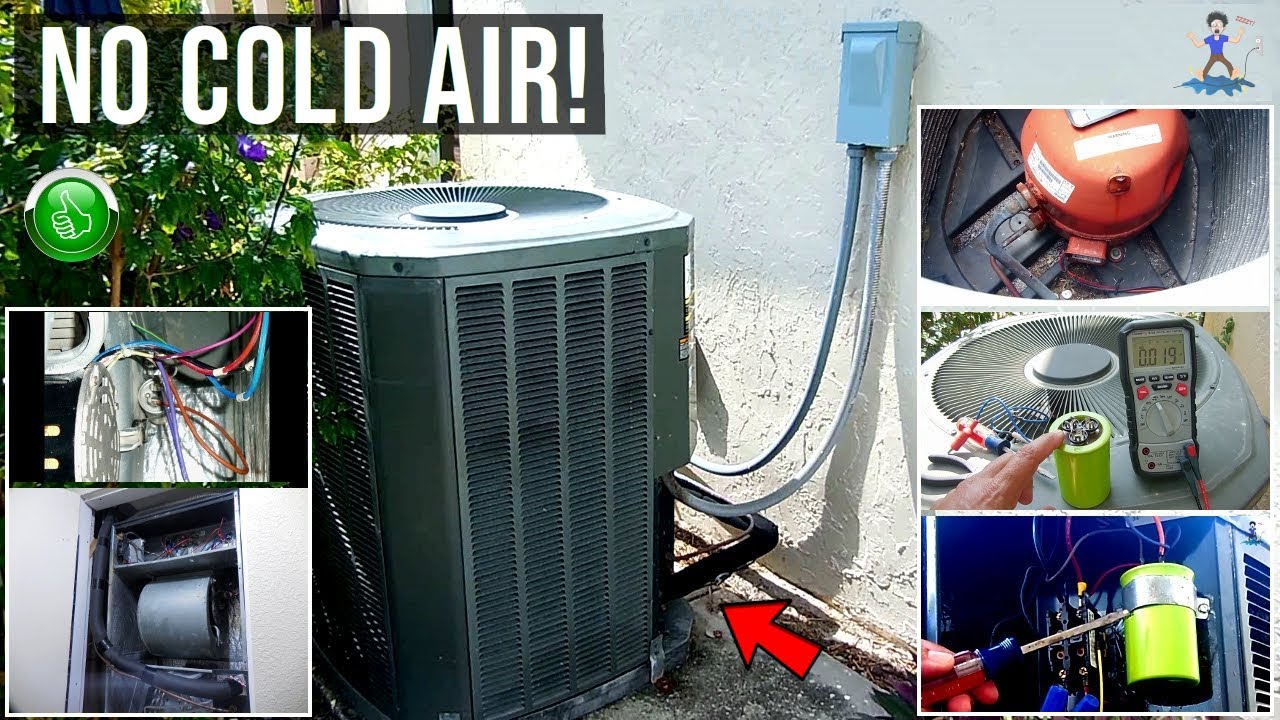
A malfunctioning capacitor can also be the culprit. The capacitor helps start the compressor, and when it fails, the unit won't start properly. This requires testing and replacing the capacitor with a new one. While capacitors are relatively inexpensive, it's best to hire a professional to do the replacement, as capacitors hold an electrical charge even after the unit is turned off, posing a risk of electrical shock.
Think about it – our homes are our sanctuaries, especially during those scorching months. A functioning AC isn't just about comfort; it's about well-being. Taking proactive steps to maintain your AC and understanding potential issues can save you money, stress, and those dreaded sweat-soaked nights. Sometimes, a little preventative maintenance or a quick call to a professional can make all the difference in keeping your cool, both literally and figuratively.