
Ceiling Fans For Large Rooms With High Ceilings

Okay, let's talk about ceiling fans. Not just any ceiling fans, mind you. We're going big today – thinking about those cavernous rooms with ceilings that seem to disappear into the stratosphere. Rooms where you could probably fly a kite indoors, if you were so inclined.
You know the ones. The spaces that make you feel like you're living in a repurposed airplane hangar, or perhaps a particularly stylish barn.
The Problem With 'Regular' Fans
Imagine this: you're sweltering in your enormous living room. You flick on a standard ceiling fan, the kind designed for a cozy bedroom. The blades whir merrily, high above your head, completely ineffective.
Must Read
All you feel is a faint breeze tickling your eyebrows. It's like a tiny, polite fan is whispering, "I'm trying my best!" from way up there. Bless its little heart.
The heat, meanwhile, remains stubbornly entrenched at ground level. You might as well be fanning yourself with a postage stamp.
Enter the Super-Fan
This is where the heroes of our story arrive: ceiling fans specifically designed for large rooms with high ceilings. These aren't your grandma's decorative dust collectors.
These are serious pieces of engineering, often sporting blades that look like they belong on a small airplane. They're the titans of the ceiling fan world.
But choosing one isn’t always easy. It's like navigating a jungle of jargon and confusing measurements. Don’t worry, we’re here to help.
Finding The Right Size
First, forget everything you thought you knew about ceiling fan sizes. Those little 42-inch models? Adorable, but useless here. Think bigger. Think…majestic.
For a truly large room, you're looking at fans with blade spans of 60 inches or even 72 inches and up. Seriously, some of these things are practically windmills.
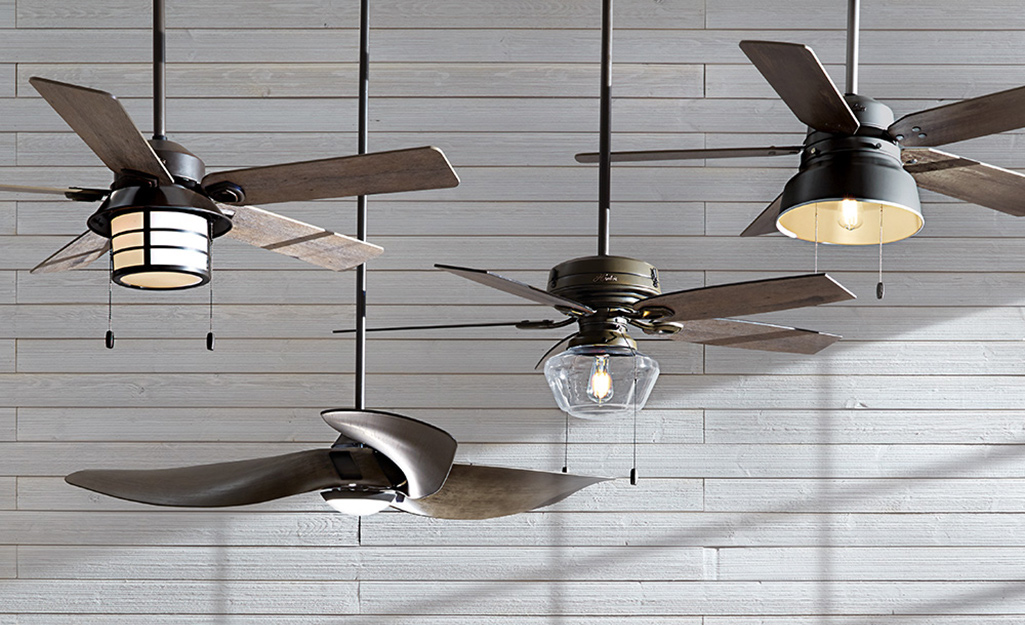
But bigger isn’t always better if it looks disproportionate, so use your best judgment. The goal is to create airflow, not a helicopter landing pad in your living room.
The Downrod Dilemma
Ah, the downrod. This is the pole that connects the fan to the ceiling. And with high ceilings, you’re going to need a long one.
If the fan is too close to the ceiling, it won't be able to circulate air effectively. It'll just be churning the air in the upper reaches of your room, leaving you stranded in a pool of stagnant air below.
Aim to have the fan blades somewhere between 8 and 10 feet from the floor. This usually means a downrod that's several feet long, depending on your ceiling height.
Style Matters (Even Way Up There!)
Okay, so you need a big fan with a long downrod. But that doesn't mean you have to sacrifice style. After all, this thing is going to be a focal point of your room.
Thankfully, there's a huge range of styles available, from sleek and modern to rustic and traditional. You can find fans that look like they belong in a chic loft or a cozy farmhouse.
Consider the overall aesthetic of your room and choose a fan that complements it. Or, if you're feeling daring, go for something completely unexpected. A bright pop of color, perhaps?

Remote Control Bliss
Let's be honest: who wants to get up and pull a chain every time they want to adjust the fan speed? Not me, and probably not you either.
That's why a remote control is essential for a high-ceiling fan. It allows you to control the fan's speed and lighting from the comfort of your couch.
Some fans even come with smart home integration, so you can control them with your voice or even set schedules. Talk about living in the future!
The Unexpected Benefits
Besides keeping you cool (or warm, if you get a reverse-direction fan for winter), a large ceiling fan can actually save you money on your energy bills.
By circulating air more effectively, it can reduce the workload on your air conditioner or heater. This can lead to significant savings over time. It's like getting paid to be comfortable!
And let's not forget the aesthetic appeal. A well-chosen ceiling fan can add a touch of elegance and sophistication to any room. It's a functional piece of art that also happens to keep you from melting in the summer.
A Word of Caution
Installing a ceiling fan, especially a large one with a long downrod, can be a bit tricky. Unless you're a seasoned DIY-er, it's best to hire a professional electrician. Trust me, you don’t want to drop that heavy thing on your head.
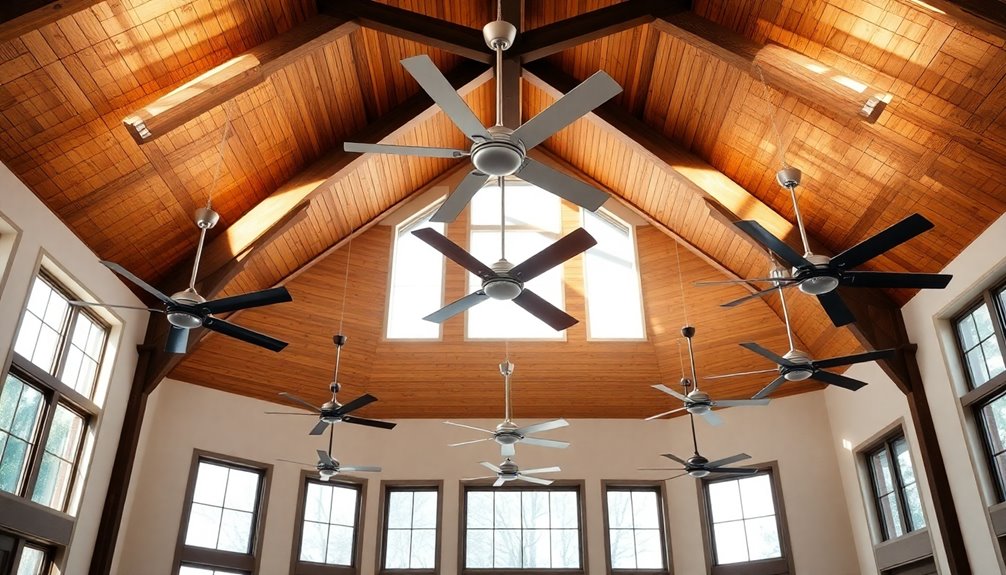
Safety first, always. Plus, a professional will ensure that the fan is properly balanced and wired, which will prevent annoying wobbling and humming.
Nobody wants a ceiling fan that sounds like a swarm of angry bees. That’s just not a relaxing ambiance.
The Joy of a Well-Circulated Room
There's something incredibly satisfying about walking into a large room and feeling the gentle, even breeze from a well-placed ceiling fan. It's a feeling of spaciousness and comfort.
It’s the feeling of knowing that you’ve conquered the challenge of heating and cooling a large space. You've tamed the giant room!
So, if you're struggling with a stuffy, uncomfortable room with high ceilings, don't despair. A carefully chosen ceiling fan can make all the difference. It's an investment in your comfort, your style, and your sanity.
Beyond Cooling: The Upward Breeze
Don't forget the reverse function! In the winter, switching your fan to rotate clockwise pushes warm air that rises to the ceiling back down to the living space.
This can significantly reduce your heating bills and keep your feet from turning into ice blocks. A true year-round champion.

Think of it as a gentle, warm hug from above. Okay, maybe that's a bit dramatic, but you get the idea.
Embrace the Fan-tastic
So, there you have it. A whirlwind tour of the world of ceiling fans for large rooms with high ceilings. From the practical considerations of size and downrods to the stylistic possibilities and unexpected benefits.
Hopefully, you're now feeling more confident and equipped to tackle the challenge of choosing the perfect fan for your space. Embrace the power of air circulation!
Go forth and conquer those cavernous rooms. Let the breeze be with you, always. And remember, a well-chosen ceiling fan is not just a utility; it's a statement. A statement that says, "I am comfortable, stylish, and in control of my indoor climate."
A Final Thought on Blade Count
While the number of blades on a fan is often seen as a purely aesthetic choice, it can subtly influence airflow. More blades might provide slightly smoother airflow, but can also reduce the overall volume of air moved.
Fewer blades, generally speaking, move more air but can sometimes feel a bit less consistent. It really boils down to personal preference and the specific design of the fan.
Test it out if you can! Feel the difference. Choose what you love!