
Ceiling Fan Size By Room Size

Ever walked into a room and felt that perfect, gentle breeze from above? Or, perhaps, felt a tiny fan valiantly spinning, doing its best against an overwhelming expanse? Or worse, a behemoth of a fan trying to dominate a cozy nook? The unsung hero of home comfort, the ceiling fan, is a wonderful addition to any space, but its magic truly unfolds when it’s the right size for the room.
Getting the ceiling fan size right isn't just about aesthetics; it's about optimal airflow, energy efficiency, and creating that ideal ambiance. A fan that’s too small will struggle to circulate air effectively, leaving you hot and bothered. One that’s too large might create an uncomfortable gale, or simply look out of place, making your room feel smaller than it is.
Why Your Fan's Size is a Big Deal
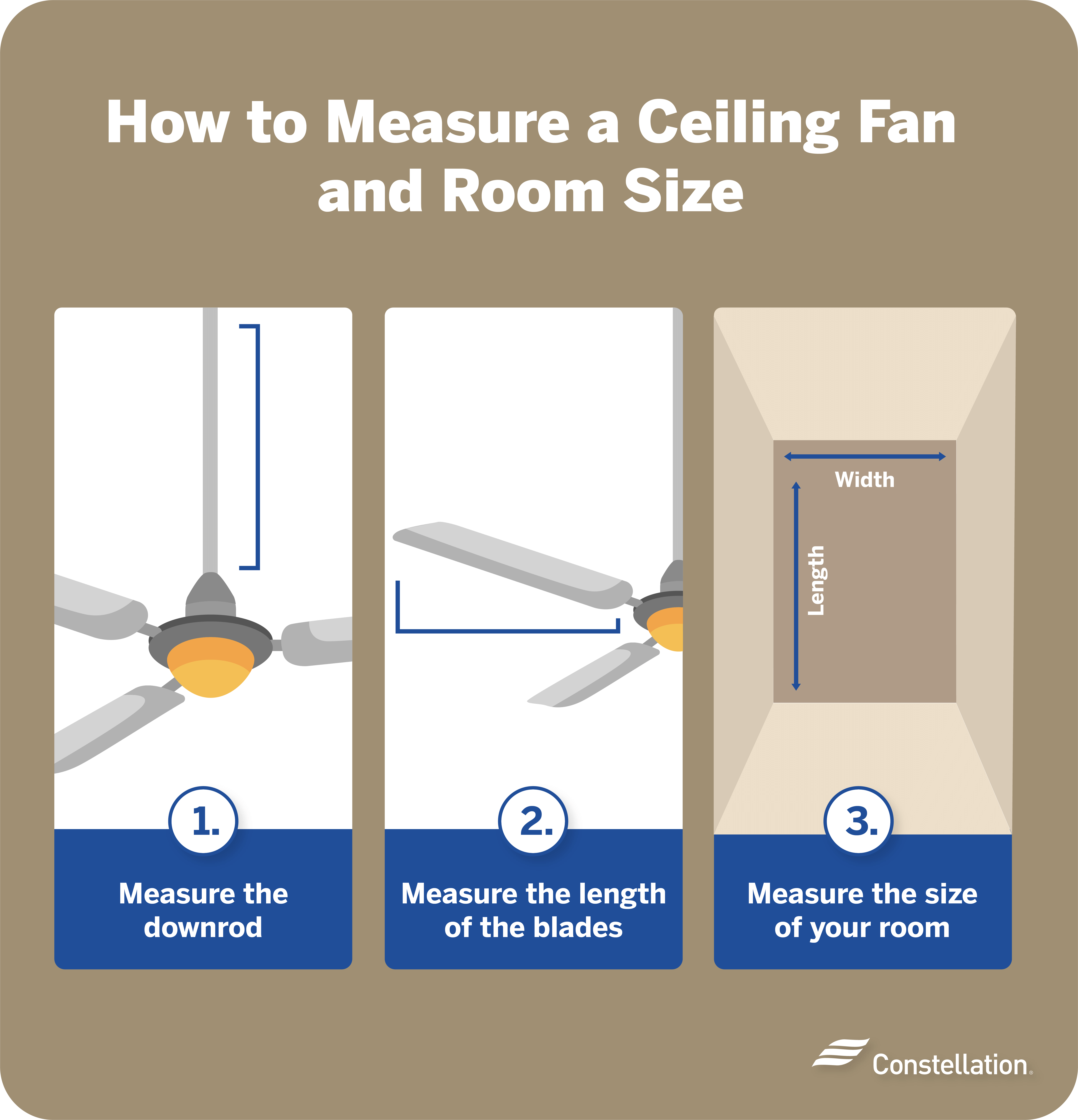
Think of it like Goldilocks and the Three Bears – you want it "just right." The key measurement here is the fan’s diameter, or blade span, which is the total width from the tip of one blade to the tip of the opposite blade. And to match that, you need your room's square footage. Don't worry, it's not rocket science: simply multiply your room's length by its width to get the square footage.
Must Read
So, let's dive into finding your perfect match, ensuring your home always feels like a breath of fresh air.
Finding Your Perfect Match: The Room-by-Room Guide
Cozy Corners & Intimate Nooks (Under 75 sq ft)
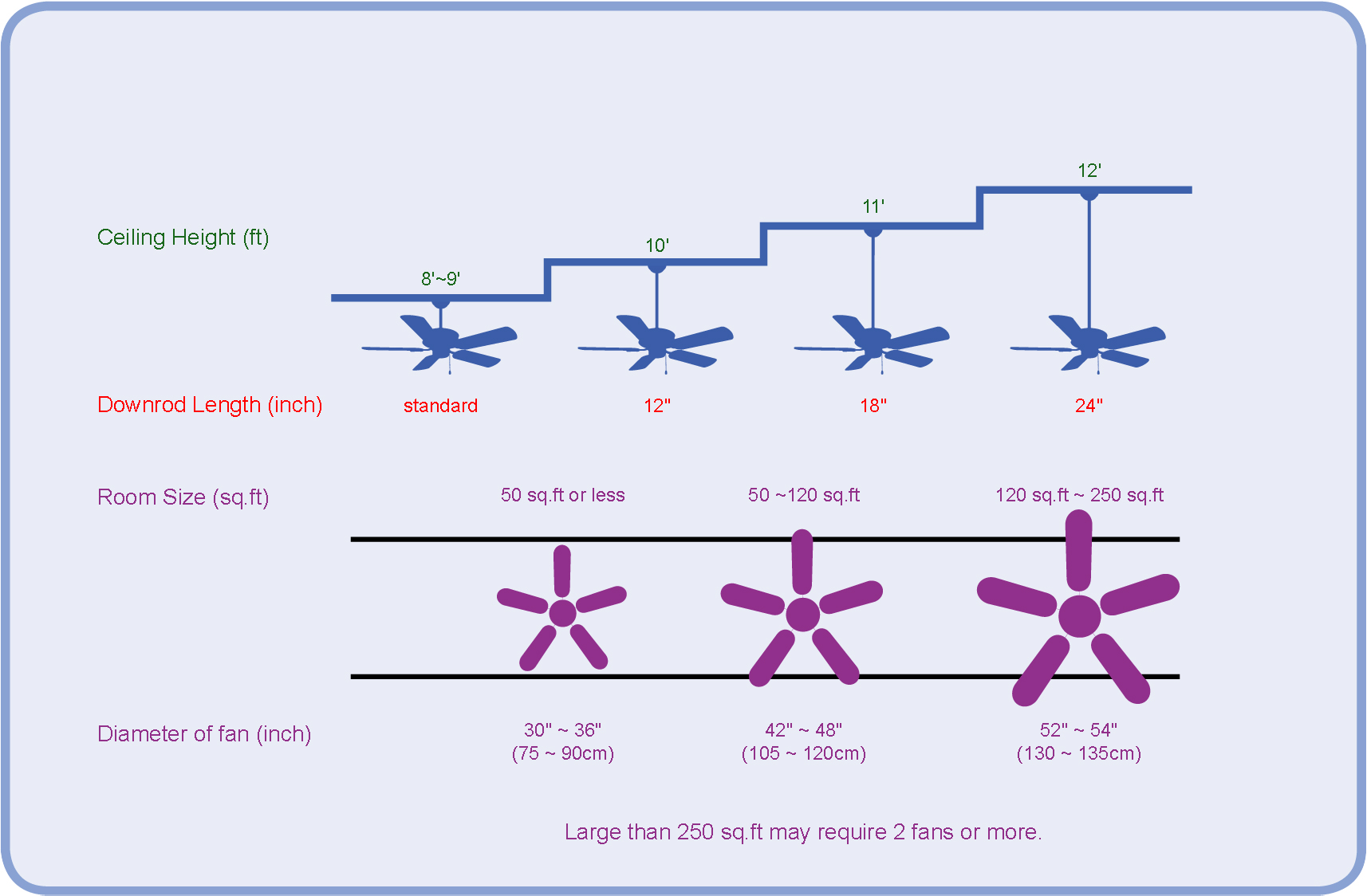
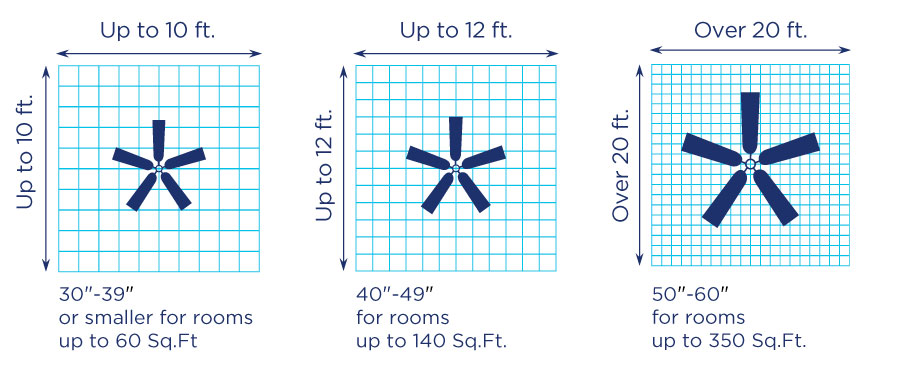
Got a small office, a walk-in closet, a compact kitchen, or even a tiny bathroom that could use some air movement? For these smaller spaces, a fan with a blade span of 29 to 36 inches is your best bet. These compact champions are designed to be subtle yet effective, making sure your personal sanctuary doesn’t feel stuffy.
Fun fact: The earliest ceiling fans, developed in the 1860s, were actually belt-driven by water power. Imagine the ingenuity!
Standard Sanctuaries (75-175 sq ft)
This is the sweet spot for many average-sized rooms: think a typical bedroom, a dining room, or a medium-sized kitchen. Here, you'll generally want a fan with a blade span of 36 to 48 inches. This range offers a great balance between effective air circulation and not overpowering the room visually. It's the workhorse size that graces countless homes, especially in warmer climates like the American South or tropical paradises where a constant, gentle breeze is a daily necessity.

Spacious Spreads (175-350 sq ft)
Welcome to your larger living rooms, generous master bedrooms, or open-plan areas that bridge different zones. For these more expansive spaces, a fan measuring 50 to 54 inches in diameter is usually ideal. These fans move a significant amount of air, ensuring that every corner of your spacious spread benefits from the circulation. Don't get too hung up on blade count – while 3 to 5 blades are common, the motor's power and blade pitch are often more important for actual airflow than just the number of blades.
Grand Gathering Places (Over 350 sq ft)
Got a magnificent great room, an expansive loft, or a particularly large open-concept living area? For anything over 350 sq ft, you're looking at fans that are 56 inches and up. In truly grand spaces, sometimes two smaller fans are actually more effective and aesthetically pleasing than one colossal fan. Two fans can ensure more even air distribution across the entire room, preventing "dead zones" where air doesn't move. Consider modern fans with energy-efficient DC motors for these larger spaces, as they run quieter and save more on electricity, especially with extended use.
Beyond the Inches: Other Smart Considerations
Ceiling Height & Downrods
The general rule of thumb for safety and optimal air movement is that the fan blades should be 7 to 9 feet from the floor. If you have high ceilings (9 feet or more), you’ll likely need a downrod to bring the fan to the right height. For lower ceilings (8 feet or less), a "hugger" or flush-mount fan is a safer and smarter choice, keeping those blades comfortably out of reach.
Room Shape
Is your room long and narrow, rather than a perfect square? A single, centrally located fan might not be enough. In such cases, two smaller fans spaced out can provide more consistent airflow throughout the entire length of the room.
Aesthetics vs. Airflow
While function is key, don't forget form! Sometimes, a slightly smaller fan might look more proportional in a room, even if it's on the lower end of the recommended size for its square footage. It’s about finding a harmonious balance that looks good and still makes you feel good. A beautiful fan that does its job well is a true win.
Outdoor Living
Planning for your porch or patio? Remember to choose a fan that's damp-rated for covered outdoor areas, or wet-rated if it's going to be directly exposed to rain and the elements. Outdoor living should be just as comfortable as indoor living!
The Silent Breeze of Satisfaction
Ultimately, a well-chosen ceiling fan does more than just move air; it creates an atmosphere. It’s about that subtle hum, the gentle sway of the blades, and the feeling of a refreshing breeze on a warm day. It reduces your reliance on air conditioning, saving energy and money, and adds a timeless elegance to your decor. Choosing the right size isn't just a technical decision; it's an act of crafting your own personal oasis, a subtle comfort that makes home feel more like… home.