Ceiling Fan Should Turn Which Way In Summer

Summer. The word itself conjures images of sun-drenched beaches, iced coffees, and… a desperate battle against rising indoor temperatures. While cranking up the AC might seem like the only solution, there's a simpler, more energy-efficient weapon in your arsenal: your ceiling fan. But are you sure it's set up correctly? This isn’t just about flicking a switch; it's about understanding airflow and how to manipulate it for maximum coolness. Let's dive into the swirling world of ceiling fan direction, and discover how to make the most of it this summer.
The Summer Setting: Counter-Clockwise is Your Cooldown
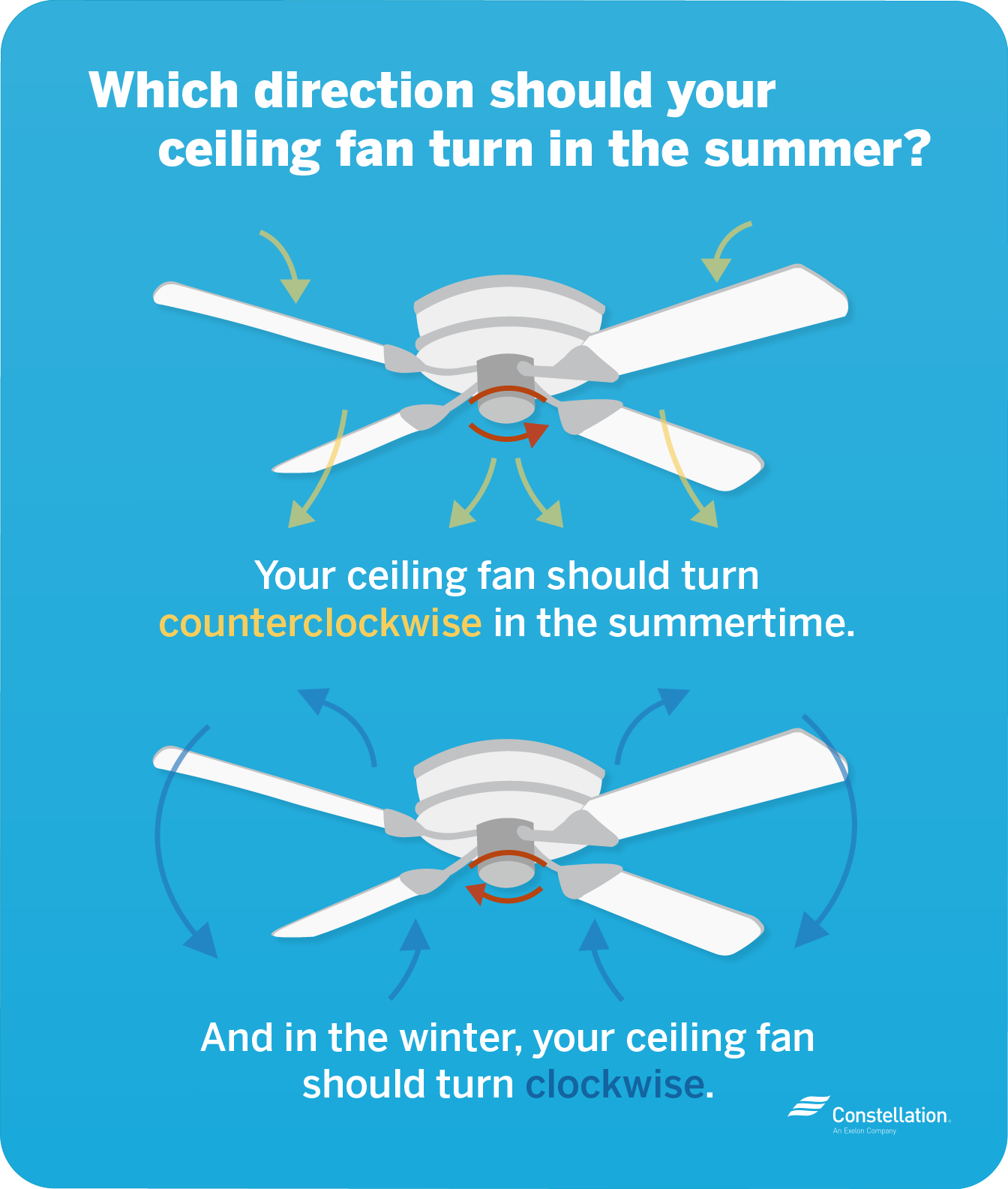
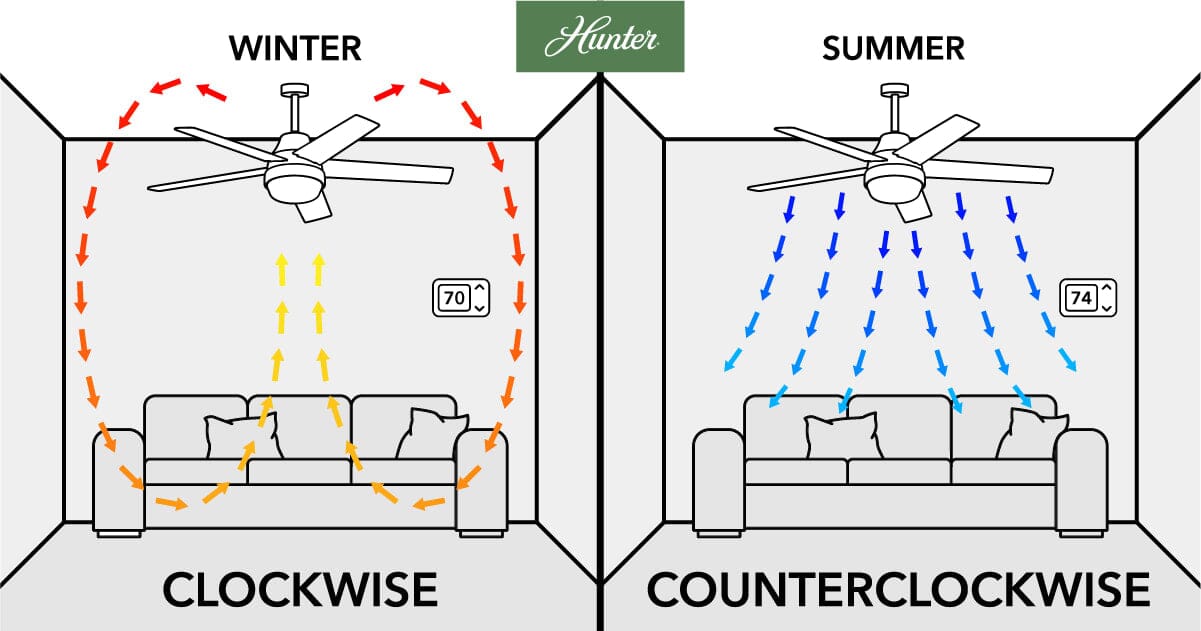
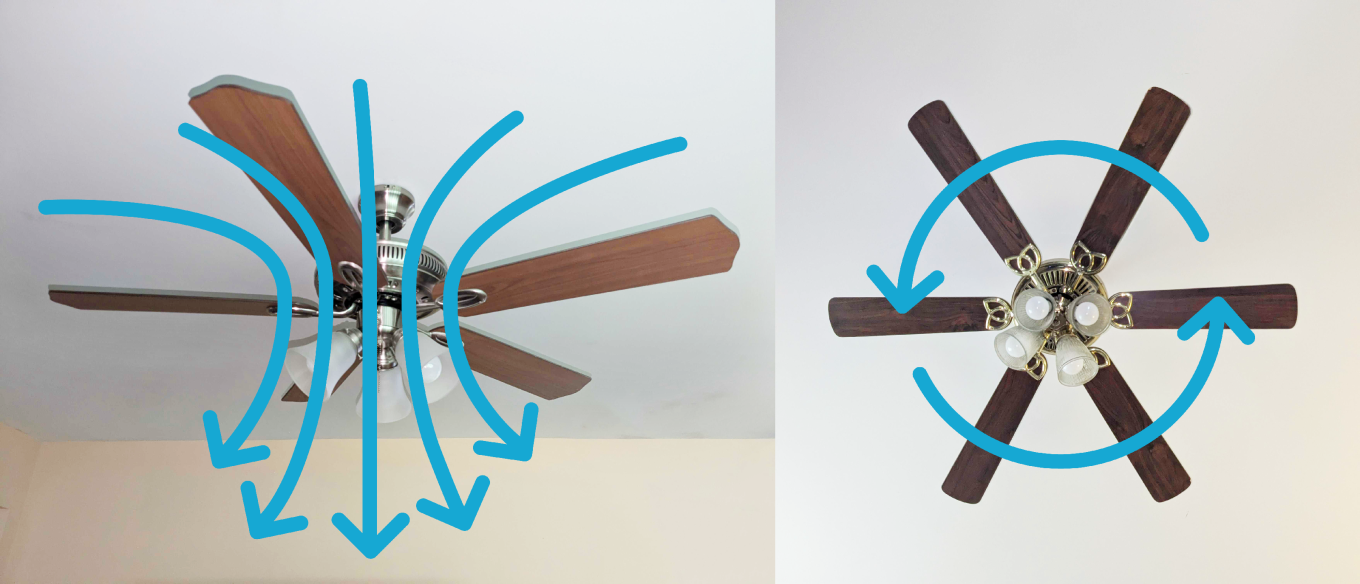
Here’s the golden rule: in the summer, your ceiling fan should be spinning counter-clockwise when viewed from below. Think of it like this: the blades should be pushing air downward, creating a refreshing breeze that you can feel directly. This downward airflow doesn't actually lower the room's temperature, but it creates a wind-chill effect on your skin. It's the same principle as a cool breeze on a hot day – it makes you feel cooler even if the air temperature hasn't changed.
Practical Tip: Stand directly under your fan. Do you feel a gentle breeze? If not, time to investigate. Many modern fans have a small switch on the motor housing that controls the direction. Flip it and see if that changes the airflow.
Must Read
Why Does Direction Matter? The Science of Breezes
It all boils down to airflow and convection. In the summer, we want to create a direct breeze. By pushing air downward, the counter-clockwise rotation disrupts the layer of warm air that naturally rises and stagnates near the ceiling. This keeps the air circulating and helps distribute the coolness from your air conditioner (if you're using one) more effectively.
Think of it like this: remember that scene in Karate Kid where Mr. Miyagi tells Daniel to "Wax on, wax off"? It wasn't just about cleaning the car; it was about learning a fundamental movement. Similarly, understanding ceiling fan direction is about mastering a fundamental principle of airflow.
Energy Efficiency: Saving Money and the Planet
Beyond personal comfort, using your ceiling fan correctly can lead to significant energy savings. By creating that wind-chill effect, you can often raise your thermostat a few degrees without sacrificing comfort. This translates to less work for your air conditioner, and lower energy bills. It’s a win-win! Plus, you're reducing your carbon footprint, which is always a good thing.
Fun Fact: A ceiling fan uses significantly less electricity than an air conditioner. Running a ceiling fan constantly costs only a few cents per day compared to the potentially dollars per day of running an AC unit. Make sure that you turn off your ceiling fan when you leave the room as ceiling fans cool people not rooms.
Beyond the Basics: Optimizing Your Fan's Performance
While direction is crucial, other factors can influence your ceiling fan's performance.
- Blade Size: Larger blades move more air. If you have a large room, consider a fan with a larger blade span.
- Blade Pitch: The angle of the blades affects how much air is moved. A steeper pitch generally moves more air.
- Fan Speed: Adjust the speed to your comfort level. A higher speed will create a stronger breeze, but also consume more energy.
- Room Height: For rooms with high ceilings, consider using a downrod to bring the fan closer to the floor for optimal airflow.
Practical Tip: Clean your fan blades regularly! Dust buildup can reduce efficiency and even affect the fan's balance. Use a damp cloth or a specialized fan duster.
A Cool Reflection
In the grand scheme of things, worrying about ceiling fan direction might seem trivial. But it's a small, conscious choice that can have a surprisingly significant impact on our comfort, our wallets, and the environment. It's a reminder that sometimes, the simplest solutions are the most effective. So, take a moment to check your fan's direction. You might be surprised at how much cooler you feel – both literally and figuratively – knowing you're making the most of this unsung hero of summer comfort.