
Ceiling Fan Rotates Clockwise Or Anticlockwise

Hey everyone! Ever stared up at your ceiling fan and wondered which way it's supposed to be spinning? Clockwise or anticlockwise? It’s not exactly the burning question of the century, but trust me, there’s more to it than you might think. It's like, is there a right way to hang toilet paper? (We're not getting into that debate today, promise!). But just like that everyday conundrum, the direction of your ceiling fan actually matters.
So, why should you even care? Well, think of your ceiling fan as a tiny weather machine right in your living room. It's not just decoration; it's a crucial part of keeping your home comfy and your energy bills reasonable. Pretty cool, right?
Summer Breeze: Anticlockwise is Your Friend
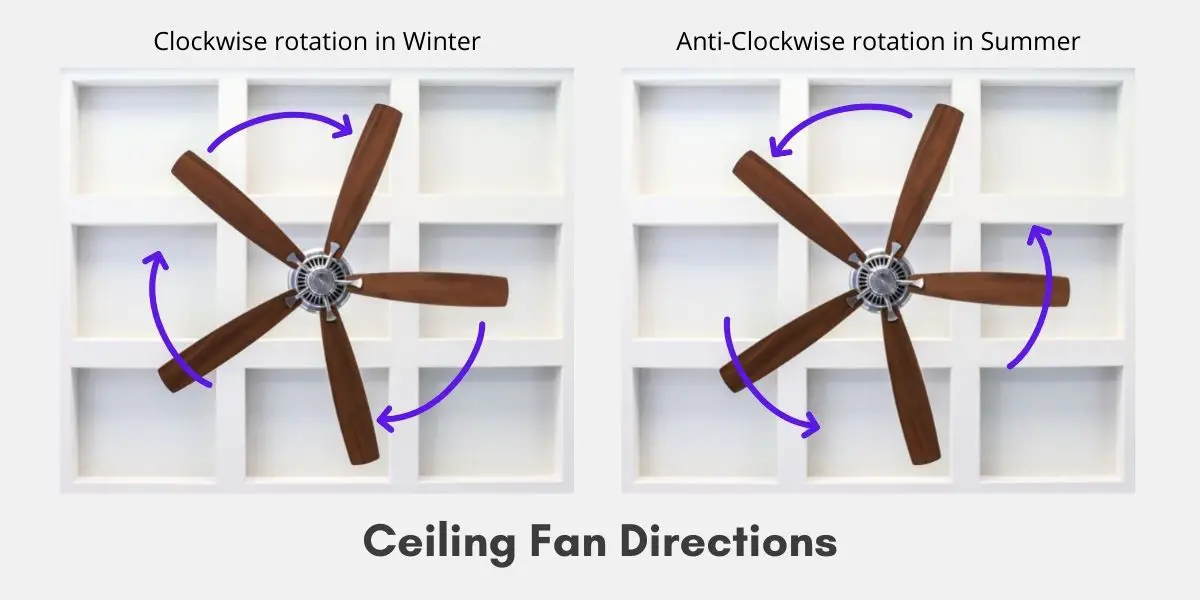
During the hot summer months, you want your ceiling fan to rotate anticlockwise. This is the key to that lovely, refreshing breeze that makes summer bearable. Why anticlockwise? Imagine the fan blades as little airplane wings. As they spin anticlockwise, they push the air downwards, creating a direct cooling effect on your skin.
Must Read
Think of it like standing near a waterfall. You feel that cool mist, right? The anticlockwise fan is replicating that effect, albeit on a much smaller scale. It's essentially creating a wind chill effect, making you feel cooler even though the actual temperature hasn't changed.
But it's not just about feeling cooler. By circulating the air, the fan helps evaporate sweat from your skin. And as we all know, evaporation is a cooling process. So, anticlockwise = cooler feeling + actual cooling. A win-win!
Winter Warmth: Clockwise is the Way to Go
Now, let's flip the script. When winter rolls around, the goal isn't to create a breeze, but to distribute the warm air that naturally rises to the ceiling. And for that, you need your ceiling fan to rotate clockwise.
Wait, clockwise? Doesn't that seem counterintuitive? Hear me out. When the fan spins clockwise, it gently pulls the cooler air upwards. This forces the warmer air trapped near the ceiling down into the living space. It's not about creating a wind; it's about gently mixing the air to even out the temperature.

Think of it like stirring a pot of soup. You're not trying to create a whirlpool; you're just trying to distribute the heat evenly. A clockwise spinning fan in winter is like your trusty soup spoon, ensuring everyone in the room gets a taste of that warm, cozy air. This can help you turn down your thermostat a degree or two, saving you money on your heating bill. Score!
Finding the Switch: Your Fan's Secret Weapon
Okay, so you're convinced. Clockwise for winter, anticlockwise for summer. But how do you actually change the direction of your fan? Most ceiling fans have a small switch located on the motor housing. It's often a little slider switch, and it might be labeled with arrows or symbols. Play detective and find it!

Important Note: Always turn off the fan before flipping the switch. You don't want to accidentally damage the motor or, even worse, injure yourself. Safety first!
Once you've found the switch, simply flip it to the opposite position. Then, turn the fan back on and watch carefully. Is it spinning clockwise or anticlockwise? If it's not going the direction you want, flip the switch again. It might take a couple of tries, but you'll get the hang of it.

Why Is This Cool? It’s All About Efficiency!
The coolest thing about knowing which way your ceiling fan should spin is that you're taking control of your home's climate. You're not just relying on your AC or heater to do all the work. You're using a simple, energy-efficient device to make your home more comfortable year-round. It's like being a home climate ninja!
Plus, it's a conversation starter! Next time you have guests over, casually mention the importance of ceiling fan direction. Watch their eyes widen with amazement. You'll be the most interesting person in the room, guaranteed. (Okay, maybe not guaranteed, but it's definitely a fun fact to share!).
So, go forth and conquer your ceiling fan! Experiment with different directions and find what works best for you and your home. You might be surprised at the difference it makes. And remember, whether it's clockwise or anticlockwise, the goal is always the same: to create a comfortable and energy-efficient living space. Happy spinning!