Ceiling Fan Direction For Summer And Winter
Let's be honest, who doesn't love saving a little money while staying comfortable? It might not be the most glamorous topic, but understanding ceiling fan direction is surprisingly fun and useful. It's one of those little life hacks that can make a real difference in your energy bills and overall comfort, all with the simple flick of a switch. Plus, it’s a great conversation starter – impress your friends with your newfound fan wisdom!
The basic idea is this: your ceiling fan can either push air down or pull it up. In the summer, you want it to create a cooling breeze, and in the winter, you want it to help distribute warm air that rises to the ceiling. For beginners, just knowing that there's a difference and that you can adjust the fan is a huge step. For families, it's about creating a more comfortable living space for everyone, potentially reducing arguments about the thermostat. And for hobbyists interested in home energy efficiency, it's a simple, practical way to optimize your HVAC system.
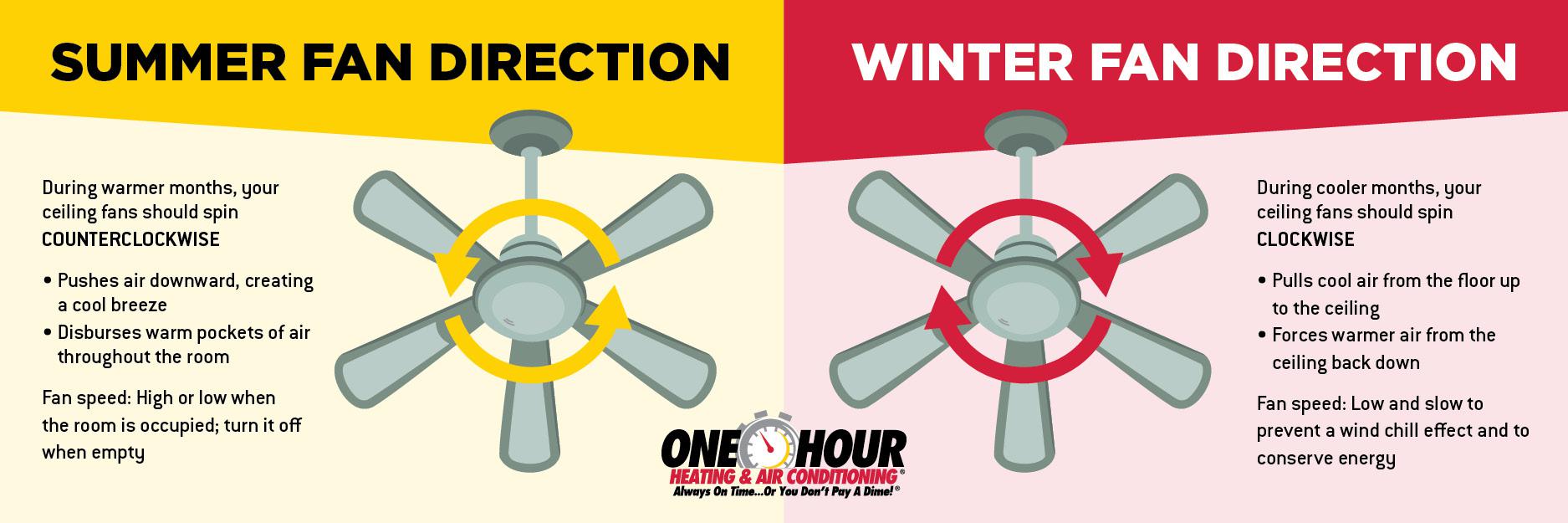
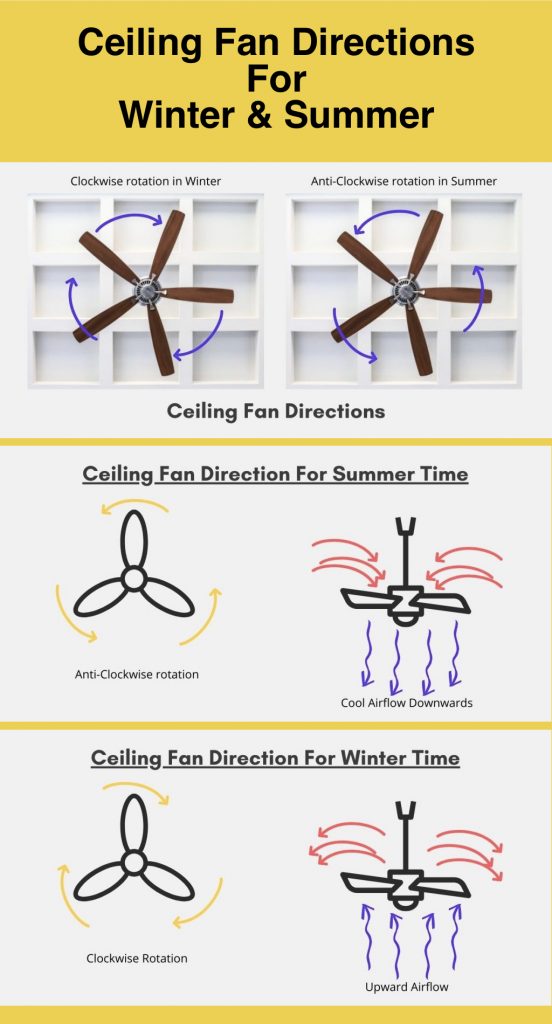
So, how does it work? In the summer, you want your fan to rotate counter-clockwise (as you look up at it). This pushes air straight down, creating a wind-chill effect that makes you feel cooler. It’s like a gentle breeze flowing across your skin, even though the room temperature hasn't actually changed. This allows you to turn up the thermostat a few degrees and save energy without sacrificing comfort.
Must Read
In the winter, the goal is different. Warm air naturally rises. If your fan is rotating counter-clockwise (summer setting), it will just create a cold draft. Instead, you want it to rotate clockwise, and at a low speed. This gently pulls the warm air that’s collected near the ceiling back down into the room, helping to even out the temperature. It's not about creating a breeze; it's about subtly circulating the air and preventing the thermostat from kicking on unnecessarily.
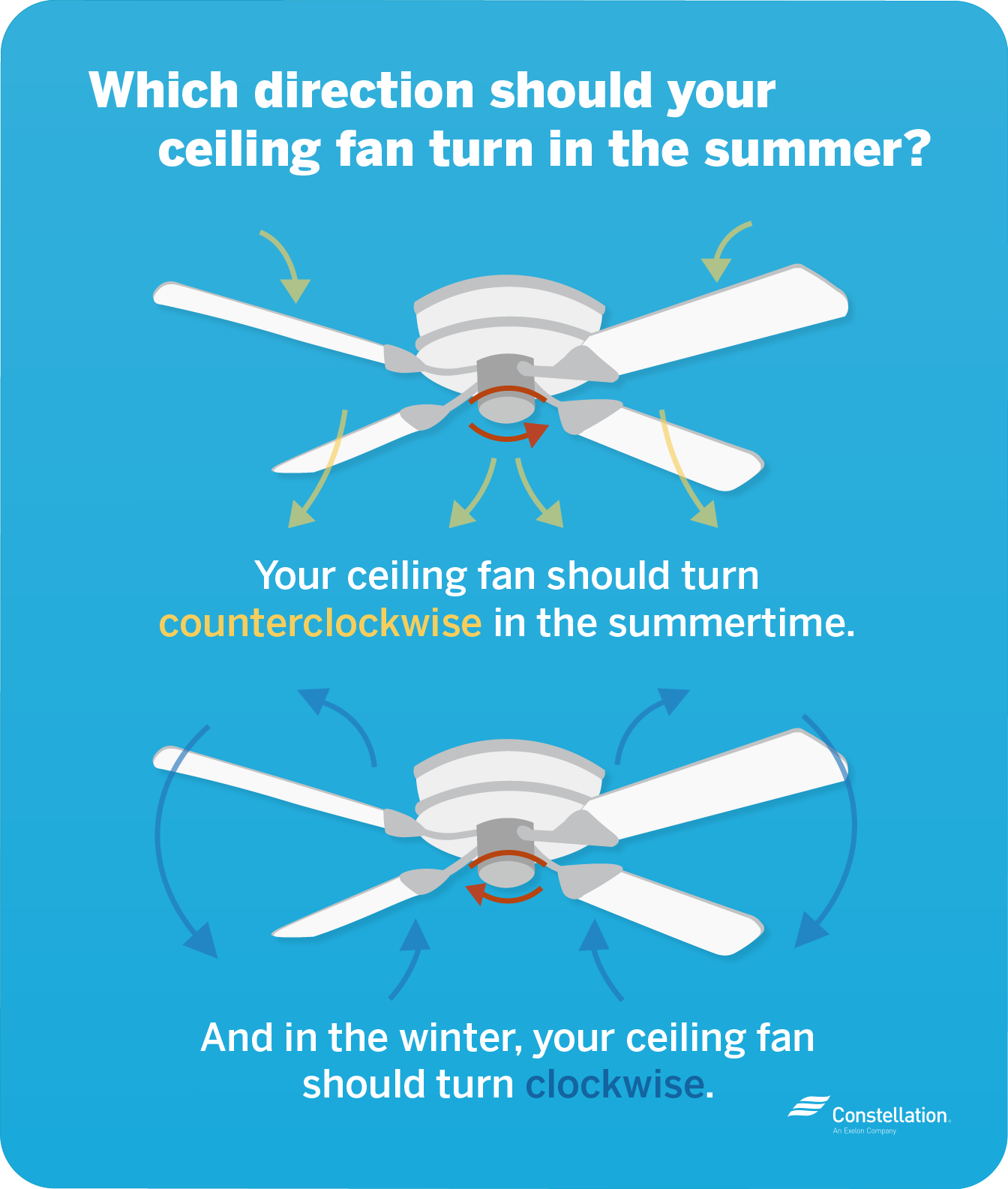
Here’s a handy tip: Most ceiling fans have a small switch on the motor housing that controls the direction. You might need a step stool or ladder to reach it. Before switching the direction, make sure the fan is completely stopped! Safety first! Once you've flipped the switch, observe the fan's rotation. Remember, counter-clockwise for summer, clockwise for winter.
Another variation to consider: Some fans have remote controls with a "winter" setting, which automatically adjusts the speed and direction. If you have one of these, consult your owner's manual for specific instructions.
![Ceiling Fan Directions for Summer vs Winter [Infographic]](https://airflowacademy.com/wp-content/uploads/2021/06/Ceiling-fan-direction.jpg)
Getting started is easy. Take a look at your ceiling fan today. Identify the direction switch. Note the current direction of rotation. Then, based on the season, adjust the switch and see if you notice a difference! It’s a small change, but it can have a big impact on your comfort and your wallet.
Ultimately, understanding ceiling fan direction is more than just a practical skill; it's about taking control of your home environment and optimizing your energy usage. Experiment, observe, and enjoy the benefits of a more comfortable and efficient living space. It's a simple tweak that can bring a surprising amount of satisfaction and value.