
Categories For Tax Deductions Small Business
Let's face it, running a small business is a rollercoaster. One minute you're celebrating a big win, the next you're drowning in paperwork. But amidst the chaos, there's a beacon of hope, a sweet little word that can bring a smile to any entrepreneur's face: tax deductions! Think of them as a reward for all your hard work, a way to keep more of your hard-earned money in your pocket.
Tax deductions for small businesses aren't just about saving money; they're about smart money management. They help you reduce your taxable income, meaning you pay less in taxes. This freed-up capital can then be reinvested back into your business, fueling growth, innovation, and maybe even that fancy new coffee machine you've been eyeing! Essentially, understanding and utilizing these deductions is a crucial component of financial stability and long-term success.
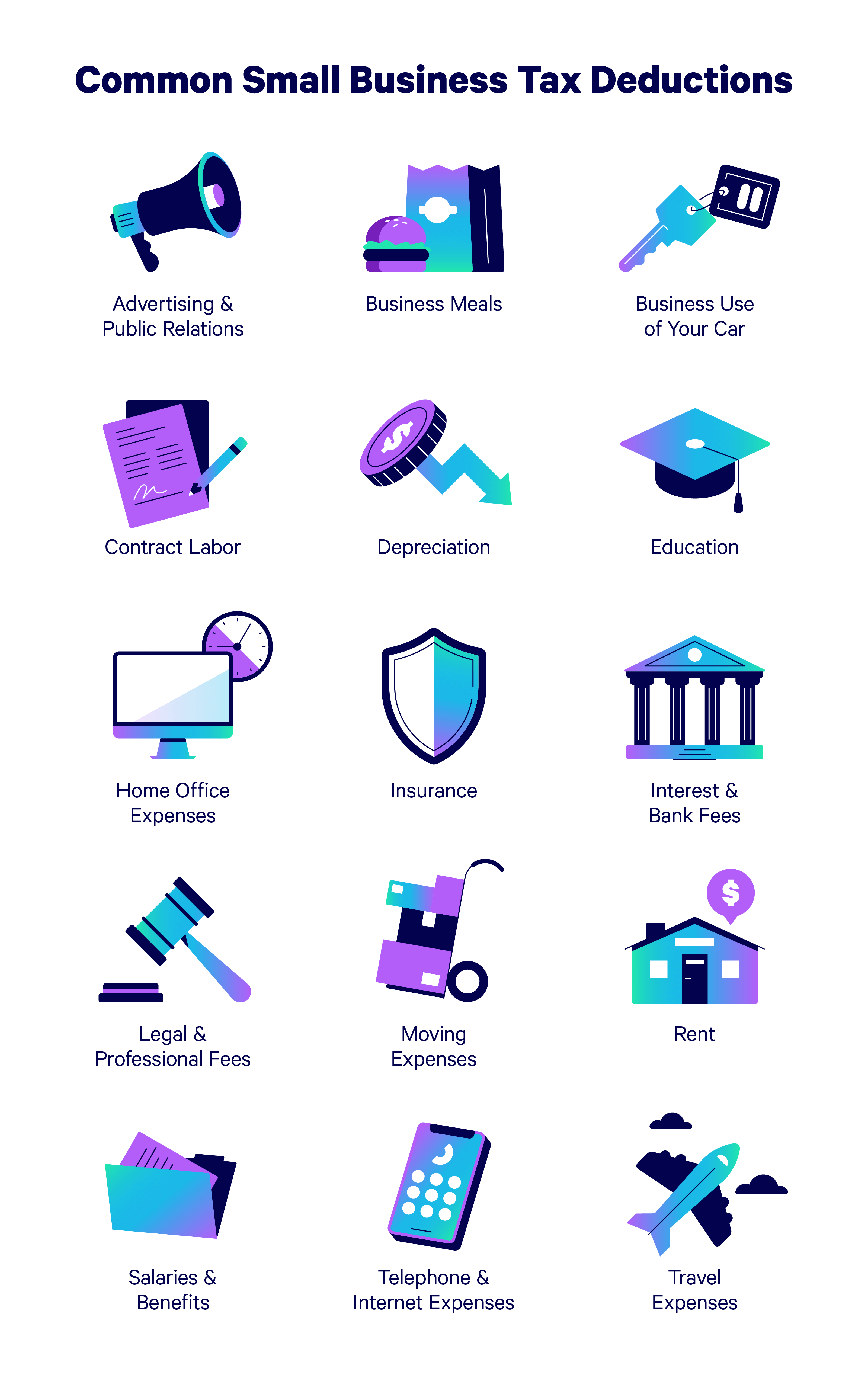
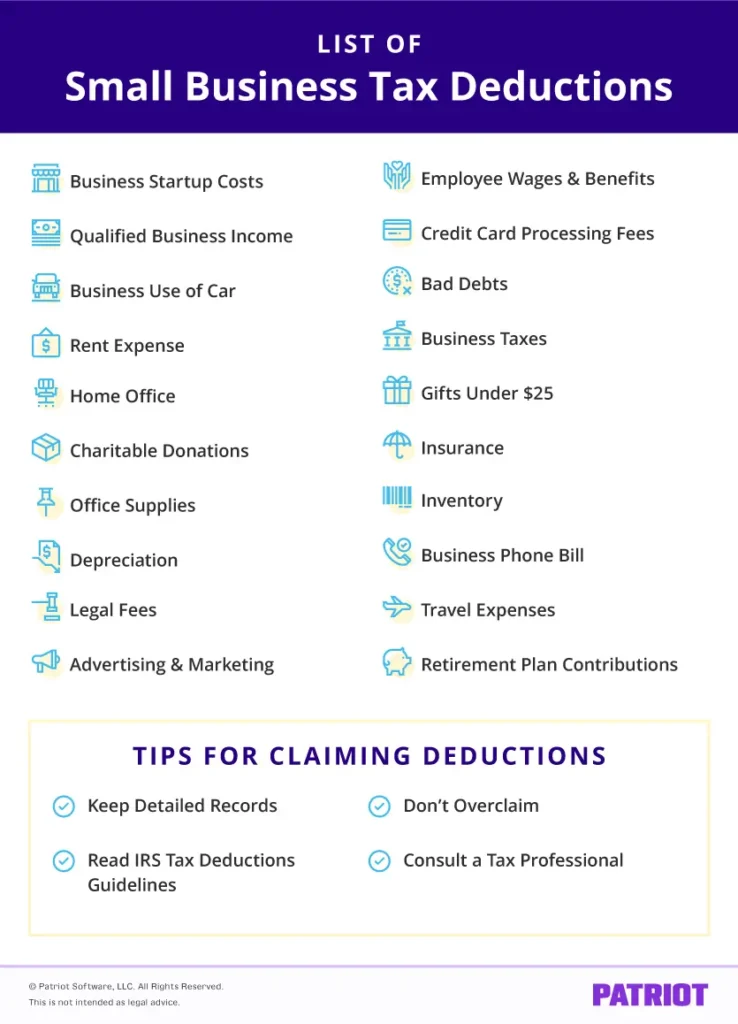
So, what kind of expenses qualify? The possibilities are surprisingly vast! Here are some common categories that many small business owners take advantage of:
Must Read
- Home Office Deduction: If you use a portion of your home exclusively and regularly for business, you can deduct expenses related to that area, like rent/mortgage, utilities, and insurance.
- Business Travel: From flights and hotels to meals and transportation, expenses incurred while traveling for business are often deductible. Just remember to keep detailed records!
- Business Meals: You can usually deduct a portion of the cost of business meals with clients, customers, or employees, provided they're ordinary and necessary.
- Advertising and Marketing: Spreading the word about your business costs money, and the IRS recognizes that! Expenses for advertising, website development, social media marketing, and promotional materials are generally deductible.
- Supplies and Equipment: From printer ink to laptops, the tools you need to run your business can often be deducted. There are different rules for deducting expenses, depending on the cost and lifespan of the item.
- Education and Training: Investing in yourself and your employees can also be tax-deductible. Courses, seminars, and training materials that directly relate to your business can often be written off.
Now, how can you maximize your deduction enjoyment? Here are a few practical tips:
- Keep meticulous records. This is absolutely critical. Track every expense, save receipts, and make notes about the business purpose. Consider using accounting software to help stay organized.
- Understand the rules. Tax laws can be complex, so it's important to familiarize yourself with the specific requirements for each deduction. The IRS website is a good resource, or consult with a tax professional.
- Don't be afraid to ask for help. A qualified accountant or tax advisor can provide personalized guidance and ensure you're taking advantage of all eligible deductions. They can also help you avoid potential pitfalls and penalties.
- Stay updated. Tax laws are constantly changing, so it's important to stay informed about the latest updates and regulations.
Ultimately, mastering tax deductions is like unlocking a secret level in the game of small business ownership. It takes effort and understanding, but the rewards – a healthier bottom line and peace of mind – are well worth it. So, embrace the challenge, keep accurate records, and don't hesitate to seek professional help. Your business (and your wallet) will thank you!
![The Master List of All Types of Tax Deductions [INFOGRAPHIC] | Small](https://i.pinimg.com/originals/69/ba/a8/69baa8befb538bf083466a2e874e5e6d.jpg)
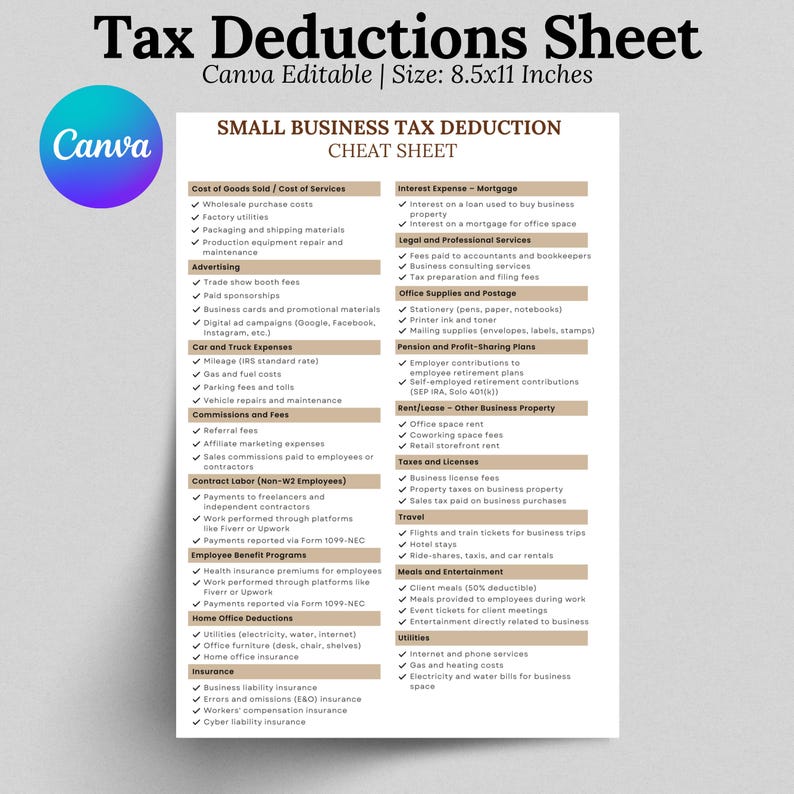
![The Master List of All Types of Tax Deductions [INFOGRAPHIC] | Business](https://i.pinimg.com/originals/42/1b/ca/421bca620ea085eab375aa2b5703be7c.png)