There's something uniquely satisfying about taking something old, broken, and seemingly destined for the scrap heap, and bringing it back to life. Think about that dusty antique stove, the cracked engine block of a beloved vintage tractor, or even a cherished, but chipped, cast iron skillet. These aren't just objects; they often hold stories, memories, or simply a stubborn refusal to give up. And when they break, the thought of replacing them can be daunting, both for the wallet and the heart. This is where the magic of cast iron welding comes into play, transforming despair into a triumphant "I fixed it!" moment.
The beauty of learning about cast iron welding rods isn't just for professional welders; it's for anyone who appreciates the durability and longevity of cast iron. Repairing a cast iron part, rather than replacing it, offers significant benefits. Firstly, it's often far more economical. Imagine the cost of a new, custom-made part versus a skilled repair. Secondly, it champions sustainability, extending the lifespan of valuable items and reducing waste. And for enthusiasts, it’s about preserving history – keeping that classic car on the road or that antique machinery humming. It’s a testament to ingenuity, giving a second (or third) life to materials built to last.
You’ll find cast iron welding applied in countless scenarios: patching up a crack in a heavy-duty pump housing, repairing a broken leg on a vintage radiator, mending a critical component in an old farm implement, or even fixing a decorative cast iron fence. While often challenging due to cast iron's brittle nature and propensity to crack under thermal stress, selecting the right welding rod makes all the difference.
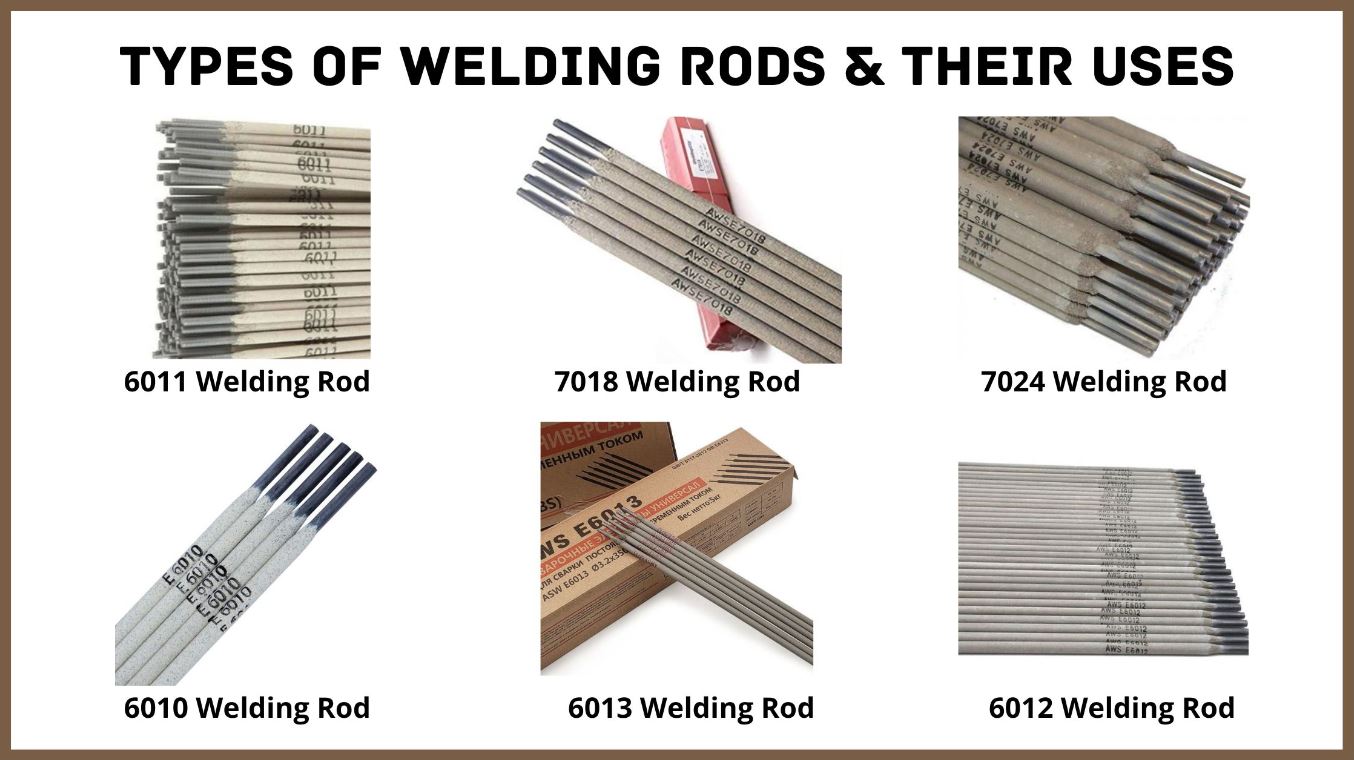
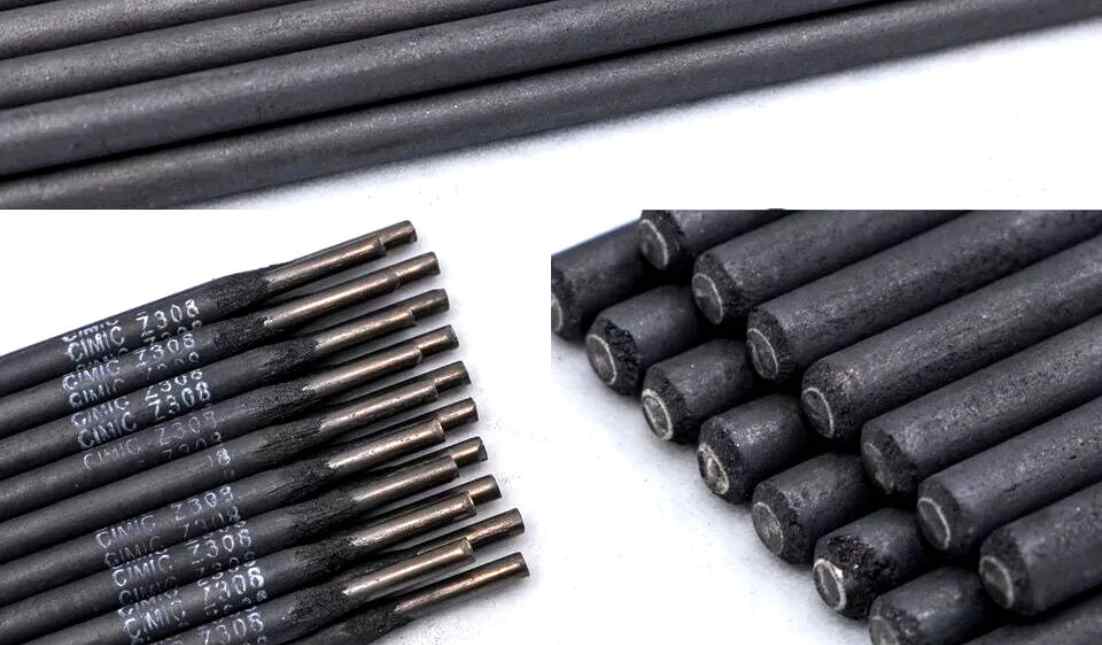
So, let's talk about those unsung heroes: the cast iron welding rods. Generally, you'll encounter a few main types, each with its own superpower. The most common, and often the most forgiving, are nickel-based rods (often designated as ENi-CI or ENiFe-CI). These rods are fantastic because they create welds that are machinable, meaning you can drill, tap, or grind them smooth after welding, which is essential for parts requiring precise dimensions. Their nickel content helps accommodate cast iron's expansion and contraction, reducing the risk of new cracks forming near the weld.
Then there are steel-based rods. These are typically used when you need a stronger, harder weld and mach inability isn't a primary concern. They often provide a more color-matched weld to the cast iron itself. However, they can be more prone to creating brittle welds that are difficult to machine. Finally, a less common but sometimes useful option is copper-based filler metal for brazing cast iron. While technically brazing rather than welding, it involves lower heat and can be great for thinner sections or when minimizing distortion is key.
Cast Iron Welding Rod Grades And Specification
To truly master the art and enjoy cast iron welding, here are some practical tips. Firstly, preparation is paramount. Clean the area thoroughly, removing rust, grease, and paint. Grind out the crack into a "V" shape to ensure full penetration. Secondly, and perhaps most critically for cast iron, pre-heating and slow cooling are your best friends. Slowly heating the entire casting (or at least a large area around the weld) to a specific temperature before welding, and then allowing it to cool slowly afterward, helps prevent thermal shock and subsequent cracking. Think of it like a gentle massage for the metal. Third, use short, intermittent weld beads and "peen" the weld with a hammer to relieve stresses. Lastly, always start with the right rod for the job; if you need to drill that weld later, grab the nickel-based rod!
With the right knowledge and a bit of patience, you can transform that broken piece of cast iron into a functional, enduring testament to repair, saving money, reducing waste, and gaining immense satisfaction along the way.