Cast Iron Engine Block Repair

There's a certain soulful hum that only comes from a well-loved machine, particularly one with a history. For many enthusiasts, the connection to an antique tractor, a classic muscle car, or a vintage industrial engine goes far beyond mere utility. It's about heritage, the romance of an earlier era, and the undeniable satisfaction of keeping something truly special alive. At the heart of many of these enduring workhorses lies the cast iron engine block – a marvel of engineering built to last, yet surprisingly vulnerable to the ravages of time, extreme temperatures, and neglect.
When a crack appears in that stoic block, it's often met with a sigh of despair. But for those who embrace the challenge, it's not a death sentence; it's an invitation to a fascinating dance of repair and restoration. The purpose of cast iron engine block repair isn't just to fix a broken part; it's about resurrection. It allows treasured vehicles and machinery to continue their legacy, preventing them from being relegated to the scrap heap. In our increasingly disposable world, repairing these blocks is a powerful act of sustainability, reducing waste and extending the life of valuable assets. Economically, it often makes far more sense than sourcing a rare, expensive replacement engine or, indeed, an entirely new machine.
You might encounter this vital repair work in myriad scenarios. Think of a proud owner painstakingly bringing a 1960s Chevrolet back to life, or a farmer keeping his grandfather's John Deere Model B chugging along for another generation. Industrial settings, too, see plenty of this, with vintage marine engines or stationary power plants receiving meticulous care to avoid costly downtime. Whether it's a hairline fracture from a frozen coolant block or a more significant stress crack, the methods employed are a testament to human ingenuity and patience.
Must Read
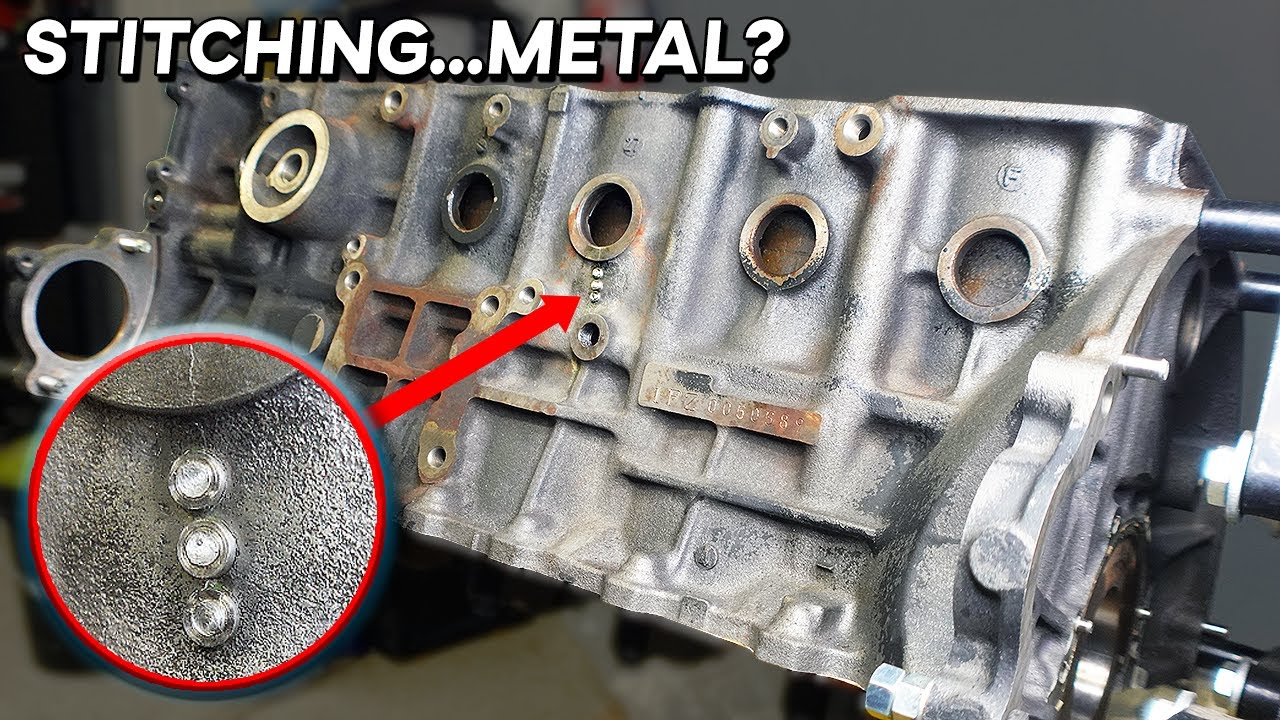
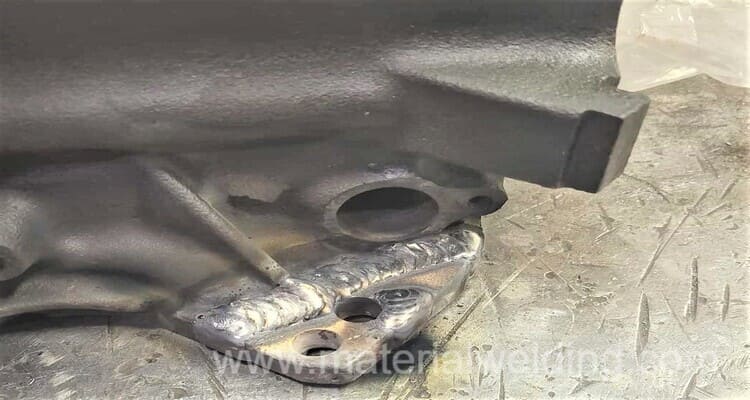
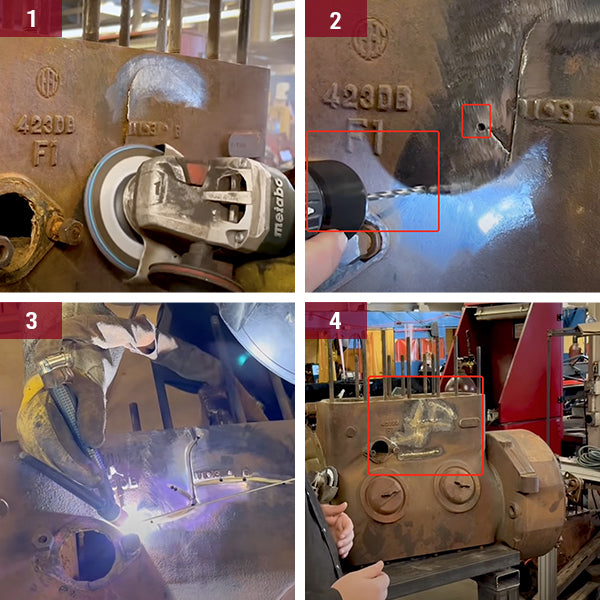
So, how can you approach this intricate craft effectively and, dare we say, enjoyably? First, diagnosis is paramount. Understand the type and extent of the crack. Is it a freeze crack, a stress crack, or something else entirely? Different cracks demand different approaches. Specialized techniques like cold stitching (mechanical repair using threaded pins), furnace brazing, or even specific types of cast iron welding (often TIG with nickel rod) are common. Each requires particular skill and tools. Don't rush! Cast iron is brittle and doesn't tolerate rapid heating or cooling well. Preheating and controlled cooling are often critical steps to prevent further cracking or warping.
Embrace the learning curve. There’s a wealth of information online, from classic repair manuals to detailed YouTube tutorials from seasoned machinists. Consider investing in proper safety gear and, if attempting welding, specialized equipment. For more complex or critical repairs, don't hesitate to consult or hire a professional machinist or engine builder. There’s immense satisfaction in successfully mending a broken block, knowing you’ve extended the life of a piece of history and brought a beloved machine back to its soulful hum. It’s a testament to skill, patience, and a deep respect for enduring craftsmanship.