
Carbon To Stainless Welding Rod
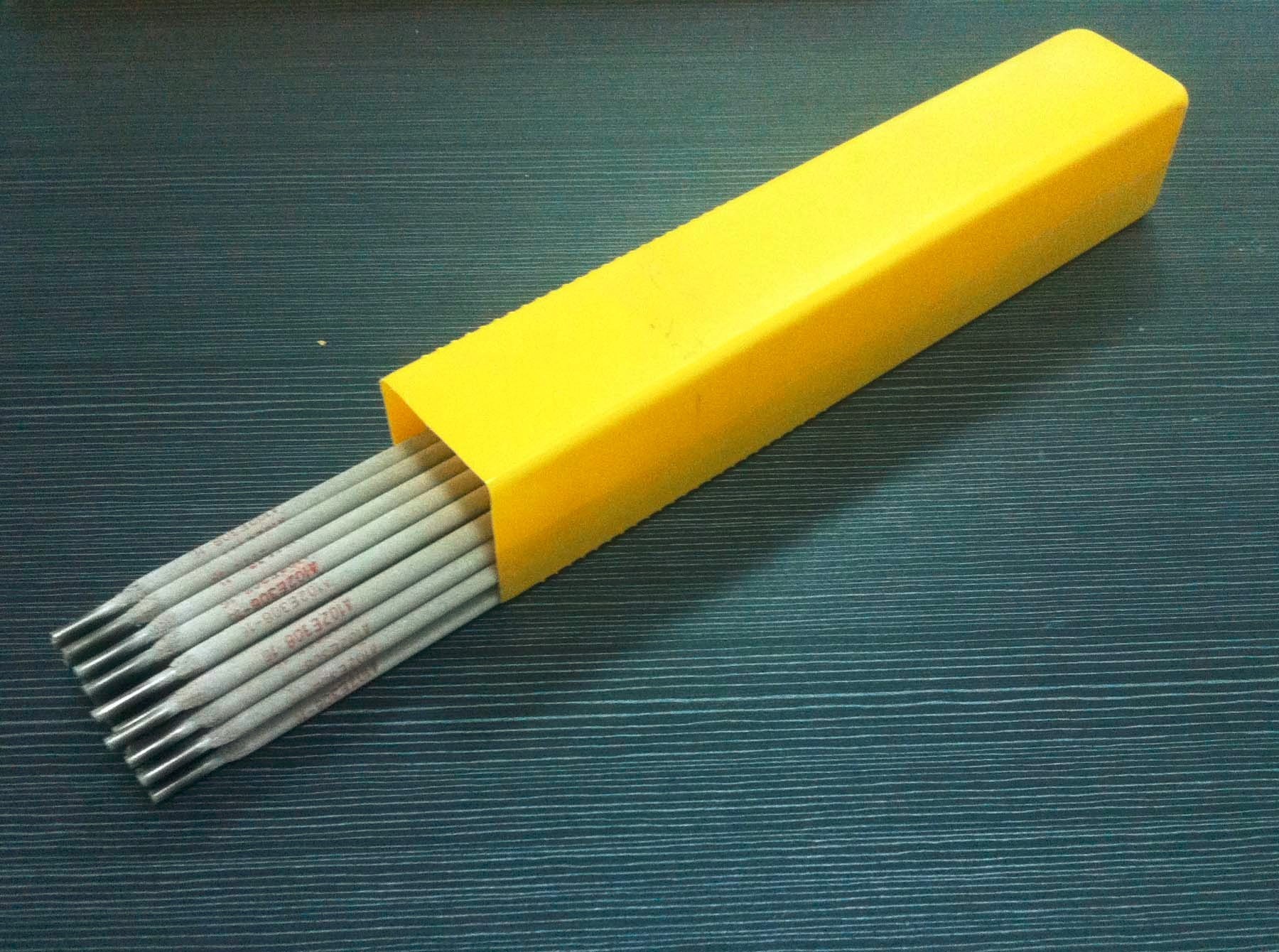
Hey there, ever stumbled upon something that seems incredibly specific, but then you dig a little deeper and realize it's actually super cool and vital to a bunch of stuff around us? That's exactly how I feel about carbon to stainless welding rods. Sounds like a mouthful, right? But stick with me, because this little hero of the welding world is far more interesting than its name suggests.
Imagine you've got two friends, Bob and Sally. Bob loves wearing sturdy work boots and denim, super practical and strong. Sally, on the other hand, is all about sleek, shiny, modern trainers and waterproof gear, always looking fresh and resisting the elements. Now, you need them to hold hands and walk together through a challenging environment. Sometimes, putting them together directly can be a bit... awkward. They might not quite match up, or one might get uncomfortable with the other's style over time.
The Mismatch Dilemma: Carbon Steel Meets Stainless Steel
That's kind of what happens when you try to join carbon steel and stainless steel directly. Carbon steel is like Bob – it's tough, strong, and relatively inexpensive, the workhorse of many industries. Think girders, machine frames, or parts of your car. It's great for taking a beating.
Must Read
Stainless steel, though, is Sally. It's known for its incredible ability to resist rust and corrosion, plus it looks fantastic. We see it in kitchen sinks, medical equipment, fancy architecture, and chemical processing plants. It's durable, hygienic, and can handle some pretty harsh environments without flinching.
The problem? They're fundamentally different. Carbon steel can rust, while stainless steel has chromium (and often nickel) that forms a protective, invisible layer. They also expand and contract at different rates when heated and cooled, which is a big deal in welding. Just like forcing those work boots and sleek trainers together, simply melting them won't always create a strong, lasting, and happy bond. It can lead to cracks, weakness, or a joint that rusts prematurely. Not ideal for something that needs to hold a bridge together or keep chemicals contained!

Enter the Diplomat: The Carbon To Stainless Welding Rod
So, what's the solution when you need the strength of carbon steel in one part and the corrosion resistance of stainless in another, and they absolutely have to be joined? That's where our special welding rod steps in. It's like the ultimate mediator, the diplomat who speaks both languages fluently and can bring two very different parties together in harmony.
This isn't just any old stick of metal. These rods are specifically engineered to create a transition zone between the two metals. They're designed to be compatible with both carbon steel and stainless steel, acting as a bridge that smoothly blends their properties. It's a clever bit of metallurgy, if you ask me!

How Does This Magic Happen?
Without getting too bogged down in the super-technical jargon, the magic often lies in the rod's composition. Many of these specialty rods are made from a high-alloy stainless steel, often with a significant amount of nickel. Think of materials like 309L stainless steel or even higher nickel alloys.
Why nickel? Well, nickel is pretty amazing. It helps make the weld metal super tough and ductile, meaning it can stretch and bend a bit without cracking, which is crucial when you're joining materials with different expansion rates. It also helps accommodate the carbon from the carbon steel without forming brittle compounds that could weaken the joint or make it susceptible to corrosion. The 'L' in 309L, by the way, stands for 'low carbon' – a little detail that makes a big difference in preventing certain types of corrosion in the weld area. See? Even small letters have a huge job!

Why It's a Big Deal (and Super Useful!)
The ability to weld carbon steel to stainless steel isn't just a neat trick; it's a fundamental capability that unlocks incredible design freedom and efficiency.
- Cost Savings: Imagine building a huge chemical tank. You might need the bottom to be incredibly resistant to corrosive liquids (stainless steel), but the supporting structure and upper parts don't need that same level of exotic material. Why build the whole thing out of expensive stainless when you can use cheaper carbon steel for much of it and just use our special rod to join the critical parts? Smart, right?
- Optimized Performance: This allows engineers to pick the best material for each specific function. Carbon steel for strength where corrosion isn't an issue, and stainless steel for hygiene or corrosion resistance where it is. It's like building a custom-designed race car, where every component is chosen for its specific job.
- Versatility in Manufacturing: From food processing equipment where cleanliness is paramount, to power plants dealing with high temperatures and pressures, to even artistic sculptures combining different metal textures – these rods make it all possible. Without them, designers would be severely limited, and many complex structures simply wouldn't be feasible or affordable.
So, the next time you see a complex piece of machinery or a structure that looks like it blends different metals, take a moment to appreciate the unsung hero that made it happen: the carbon to stainless welding rod. It's not just a piece of metal; it's a testament to human ingenuity, solving a seemingly tricky problem with elegance and making our world a more robust, efficient, and well-connected place, one weld at a time. Pretty cool for a specialized rod, wouldn't you say?
![Best Welding Rod For Stainless Steel [Updated On- 2025]](https://m.media-amazon.com/images/I/41BCef7DmVL._SL500_.jpg)