Carbon Monoxide What To Do When Detectors Go Off
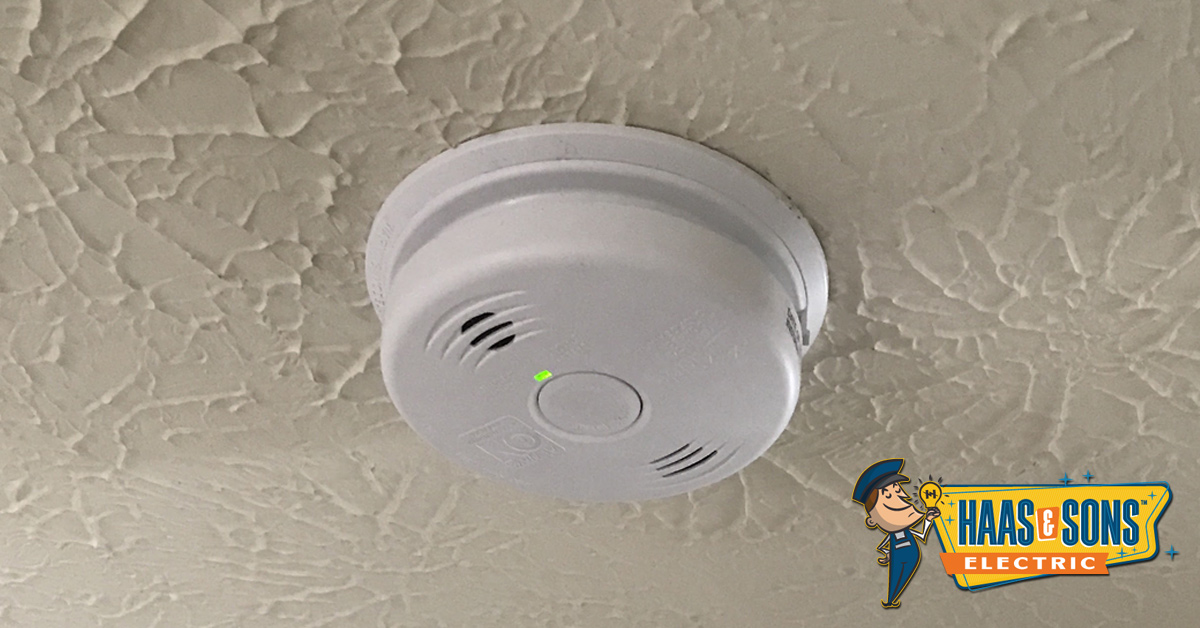
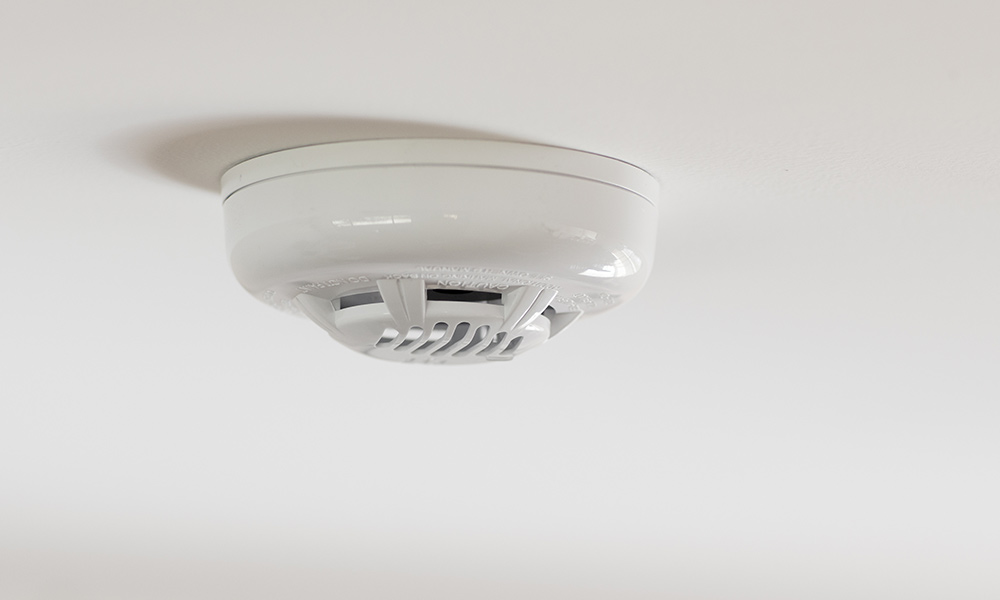
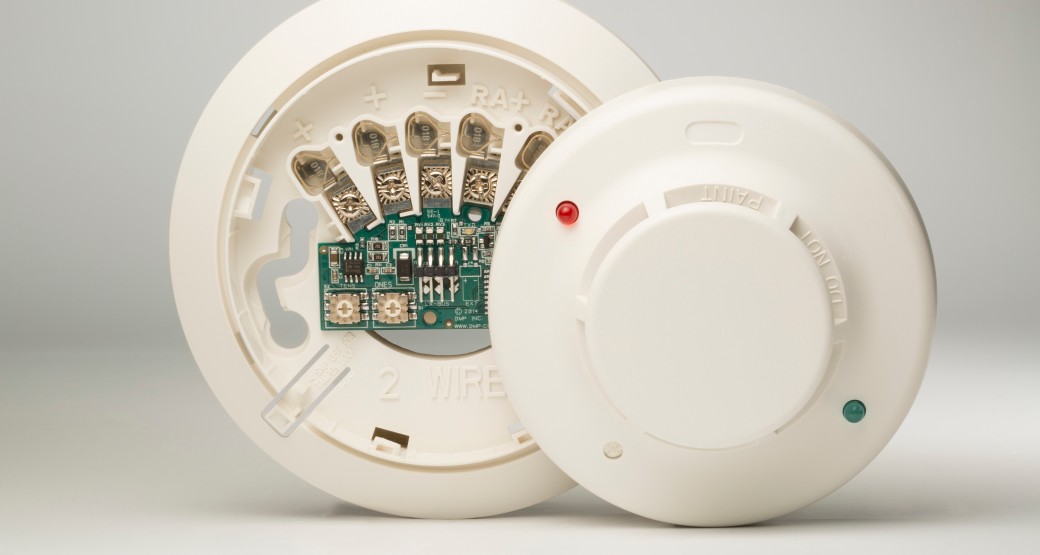
In the grand symphony of modern living, where smart gadgets hum and digital assistants chat, there's a silent, unassuming hero that rarely gets the spotlight, yet plays a profoundly critical role: the carbon monoxide detector. You might not frame it on your wall or share its latest "creation" on social media, but its presence is a testament to our collective value of safety and well-being. Think of it as a crucial line of defense, a guardian angel with a very loud voice, ready to alert us to an unseen danger.
The true "benefit" of understanding what to do when your carbon monoxide detector goes off isn't just for emergency responders or safety experts; it's for everyone. It empowers us all to be our own first line of defense. For the busy parent, the cozy homebody, the diligent student, or even the casual visitor, knowing the steps ensures peace of mind and the readiness to act. It's about being prepared, transforming a moment of potential panic into a clear, decisive response. This preparedness is a skill, a quiet strength that fortifies our homes and our lives.
Consider the myriad "scenarios" where this knowledge becomes invaluable. Perhaps your furnace unexpectedly malfunctions on a chilly winter night, a gas appliance experiences a subtle leak, or even if a car is accidentally left running in an attached garage. In each instance, carbon monoxide—a colorless, odorless gas often called the "silent killer"—can build up quickly. Your detector isn't just an alarm; it's a lifesaver. Its alert is your cue to spring into action, turning a potential hazard into a manageable situation through prompt and informed steps. Understanding these steps means you're ready for any such variation on this critical safety theme.
Must Read
So, how can you "try this at home"? Not by generating carbon monoxide, of course! But by practicing your emergency response and ensuring your detector is always ready. Here's your essential checklist for readiness:
- Don't Hesitate, Ventilate & Evacuate: If the alarm sounds, immediately open windows and doors for ventilation. Then, get everyone (and pets!) outside into fresh air.
- Call for Help: Once you're safely outside, call 911 or your local emergency services. Describe your situation calmly.
- Stay Out: Do not re-enter your home until emergency responders have given the all-clear.
- Regular Checks: Test your CO detector monthly using its test button.
- Battery & Replacement: Change batteries annually and replace the entire unit according to the manufacturer's instructions (usually every 5-7 years).
- Professional Inspection: Have fuel-burning appliances (furnaces, water heaters, stoves) inspected by a qualified technician annually.
Ultimately, there's a profound sense of satisfaction and even "enjoyment" that comes from knowing you're prepared. It's the joy of safeguarding your sanctuary, the calm assurance that you know how to protect yourself and your loved ones from an unseen threat. It's not just about avoiding danger; it's about embracing a proactive, responsible approach to home safety, allowing you to breathe easy and live worry-free, knowing your silent guardian is always on watch.