
Carbon Monoxide Poisoning In Pregnancy
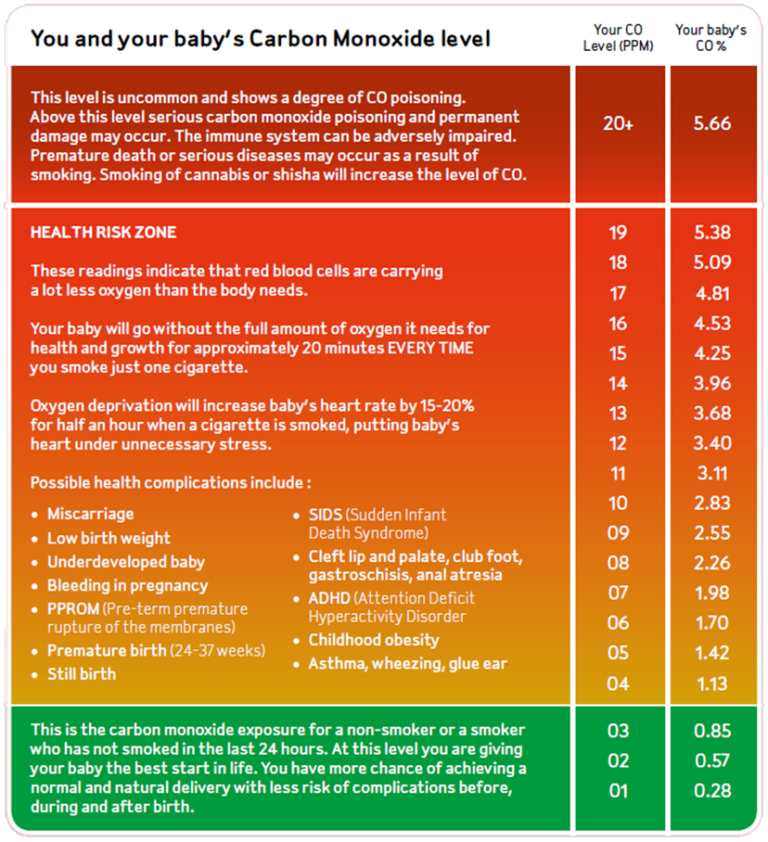
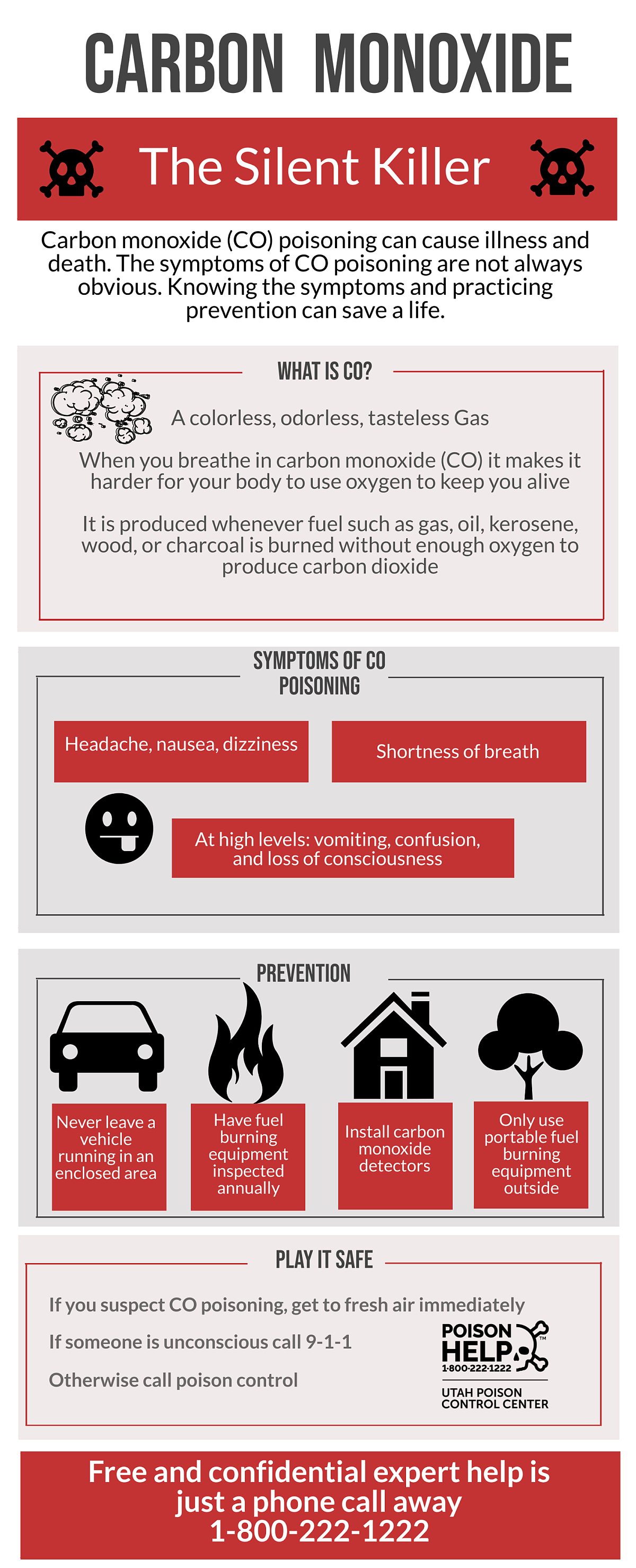
Imagine a gas you cannot see, smell, or taste. It's truly invisible, a sneaky villain hiding in plain sight. This gas is called carbon monoxide, or CO for short.
It's often nicknamed the "silent killer." Why? Because it can harm you without giving any obvious warnings. And when a woman is pregnant, this invisible threat becomes even more serious.
Why is CO so sneaky?
Carbon monoxide comes from burning fuels. Things like gas stoves, furnaces, fireplaces, and car engines produce it. If these things aren't working right, or if there's not enough fresh air, CO can build up indoors.
Must Read
When you breathe in CO, it gets into your bloodstream. It stops your blood from carrying oxygen properly. Your body needs oxygen to survive, especially your brain and heart.
A Special Danger for Pregnant Moms and Babies
This is where things get really important, especially for expecting families. For a pregnant woman, the risks of CO poisoning are doubled. It affects both her and her unborn baby.
Think of it this way: the baby in the womb is incredibly delicate. Its tiny body is still growing and developing. It relies completely on its mom for everything, including oxygen.
The baby's blood picks up CO even more easily than the mother's blood. This means the baby can suffer from oxygen starvation long before mom feels really sick. It’s a serious hidden danger.
Even mild symptoms in the mother can mean serious problems for the baby. This makes CO poisoning in pregnancy a unique and extremely urgent situation. We need to be extra vigilant.
What Makes CO Poisoning So Tricky?
The symptoms of CO poisoning can often feel like other common illnesses. You might feel tired, get a headache, or feel dizzy. These can easily be mistaken for the flu or just morning sickness.
This is why it's so tricky to spot. Many pregnant women experience nausea and fatigue. So, attributing these to CO poisoning might not be the first thought.
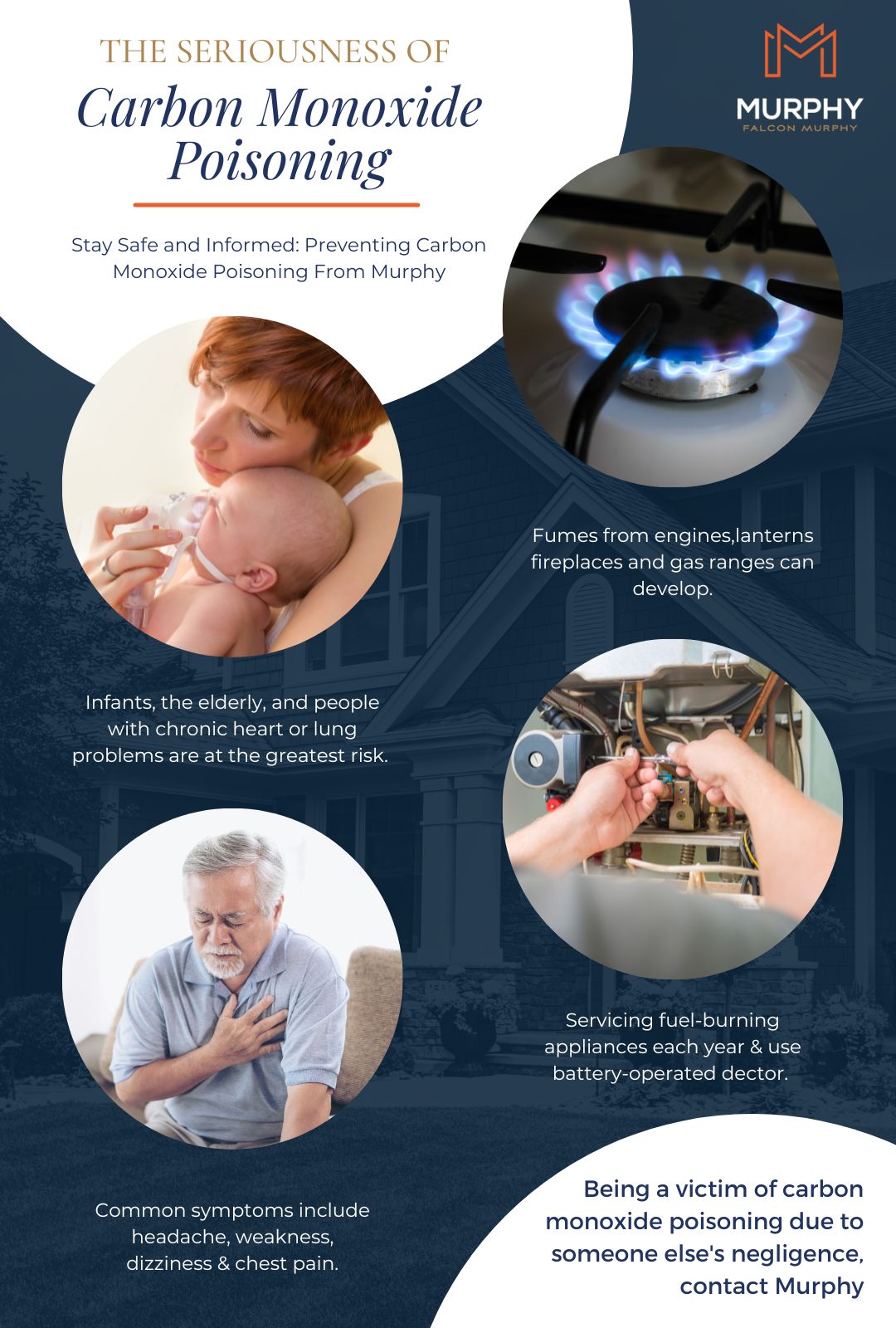
Common Symptoms to Watch For
Look out for symptoms like a dull headache, weakness, dizziness, or nausea. Vomiting can also occur. Sometimes, people experience shortness of breath or blurred vision.
These symptoms might come and go. They often get worse when you're in a specific place, like your home. And they tend to improve when you go outside into fresh air.
If everyone in the house starts feeling sick at the same time, especially with flu-like symptoms, that's a big red flag. Pay close attention if pets also seem unwell.
Where Does CO Hide? Common Sources
Knowing where CO can come from is your first line of defense. Many everyday items can be sources. They just need to be used improperly or be faulty.
Your furnace, water heater, and gas clothes dryer are big culprits. Make sure they are serviced regularly. A professional check-up can prevent issues.
Fireplaces and wood-burning stoves also produce CO. Always ensure your chimney is clean and venting properly. Never block the flue.
Gas stoves and ovens should never be used to heat your home. They are designed for cooking, not for prolonged heat. Using them improperly can build up dangerous levels of CO.
Portable generators are fantastic during power outages, but they are very dangerous indoors. Always use generators outside and far away from windows and doors. The fumes are deadly.
Cars running in attached garages are another huge risk. Never leave a car running in a closed garage. Even starting it for a short time can be hazardous if the garage is attached to your living space.
Prevention is Your Best Friend
The good news is that CO poisoning is almost entirely preventable. You can take simple, powerful steps to protect your family, especially during pregnancy.
Get a Carbon Monoxide Detector
This is truly your superhero against the invisible threat. Install CO detectors on every level of your home. Place them near sleeping areas.
These detectors are like smoke alarms, but for CO. They will alert you with a loud sound if CO levels become unsafe. They are a small investment for huge peace of mind.
Remember to test your detectors monthly. Replace the batteries every year, or as recommended by the manufacturer. Detectors also have an expiry date, usually 5-7 years, so check that too.
Maintain Your Appliances
Schedule annual check-ups for all fuel-burning appliances. This includes your furnace, water heater, and gas dryer. A certified technician can spot problems before they become dangerous.
Ensure that all vents and flues are clear and undamaged. Proper ventilation is key. Blocked vents can trap CO inside your home.
Safe Habits for a Healthy Home
Never use a gas oven or stove to heat your home. It’s not designed for it. Always open a window slightly when using gas appliances, if possible, for extra ventilation.
If you have a fireplace, ensure the flue is open before lighting a fire. Never burn charcoal indoors or in an enclosed space. Charcoal produces a lot of CO.
And absolutely never run a car in an attached garage. Even with the garage door open, CO can seep into your house. It's a risk not worth taking.
What to Do if You Suspect CO Poisoning
If your CO detector goes off, or if you suspect CO poisoning, act immediately. Don't wait to see if symptoms get worse. Time is crucial, especially during pregnancy.
First, get everyone, including pets, out of the house into fresh air. Go to a neighbor's house or wait outside. Do this right away, even if you don't feel very sick.
Next, call 911 or your local emergency services. They can test the CO levels in your home and provide medical help. Tell them you suspect carbon monoxide poisoning.
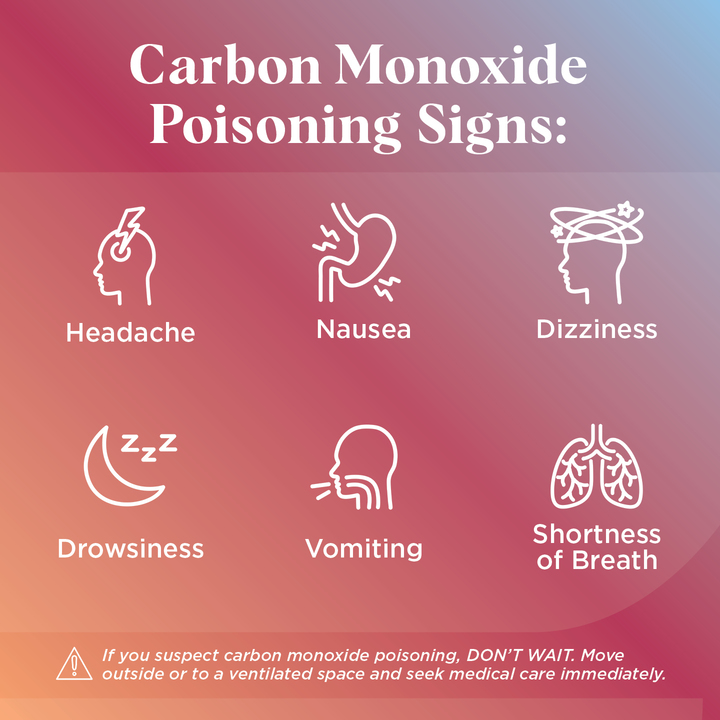
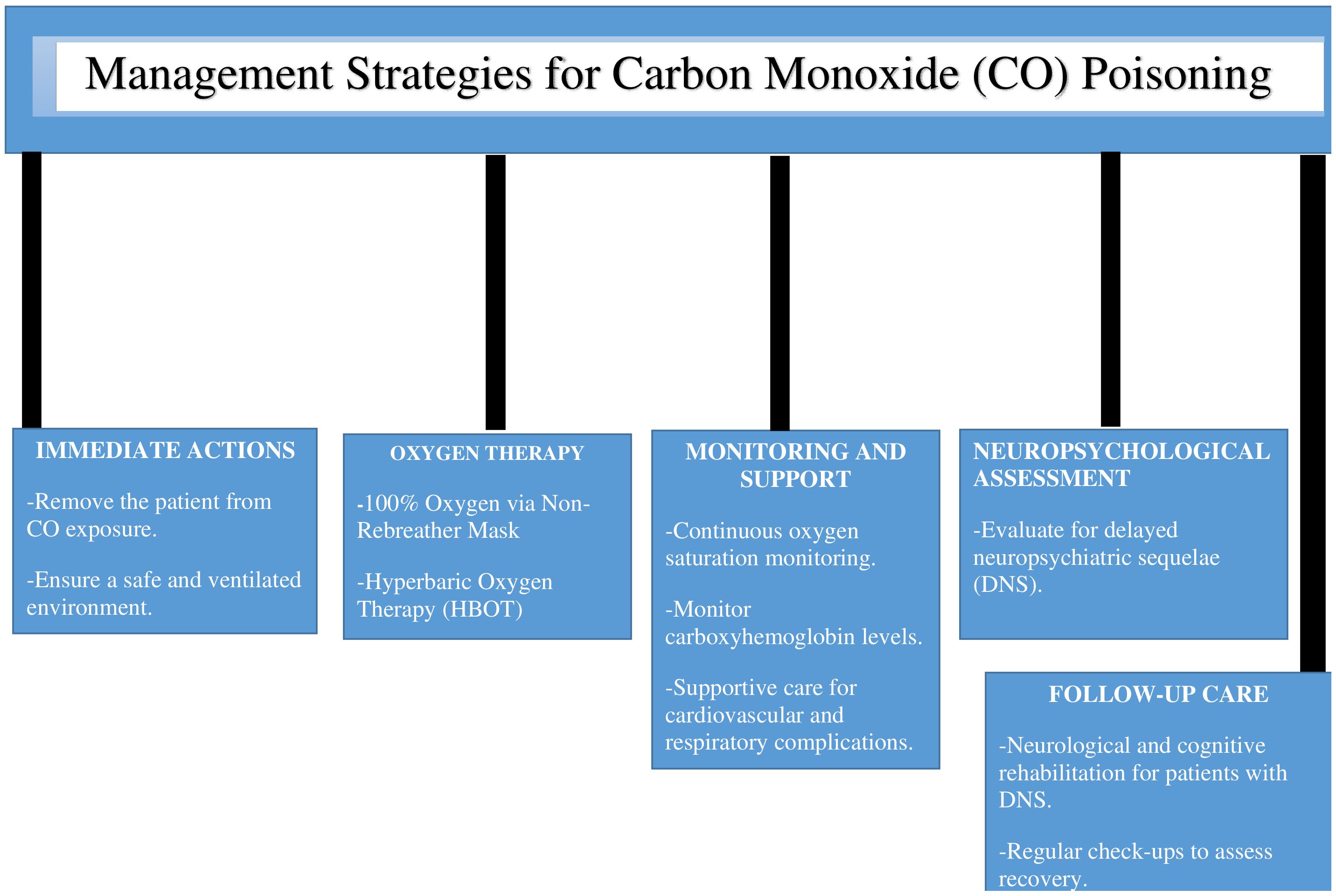
If you are pregnant and have been exposed, even briefly, seek medical attention. Doctors can check both you and your baby. Oxygen therapy is often needed to help clear the CO from your blood.
Remember, early detection and quick action can save lives. Especially for a developing baby, every minute without proper oxygen can have serious long-term effects.
Understanding the "Special" Vulnerability
The unique vulnerability of pregnancy to CO poisoning is what makes this topic so critical. It's not just about two lives, but about a developing life highly susceptible to oxygen deprivation.
The baby's hemoglobin, the part of the blood that carries oxygen, has a stronger attraction to CO than adult hemoglobin. This means the baby holds onto CO for much longer.
So, even after the mother's CO levels start to drop, the baby's levels can remain dangerously high. This prolonged exposure can lead to severe developmental problems or worse.
That's why being aware of CO, understanding its sources, and having detectors are not just good ideas. For pregnant women and their families, they are absolutely essential protective measures.
Let's make sure we're all informed and taking steps to keep our homes safe. Protecting our little ones starts with understanding these invisible dangers. Stay safe and breathe easy!