
Carbon Monoxide Is It Heavier Than Air

Have you ever played a game of "truth or myth" with everyday science facts? It's surprising how many common beliefs about simple things, like whether something floats or sinks, turn out to be a bit skewed. Today, we're diving into a question that might seem trivial, but actually holds the key to some seriously important safety knowledge: Is Carbon Monoxide, the infamous "silent killer," heavier than air?
This isn't just a fun scientific query; it's a vital piece of information that can literally impact how you protect your home and loved ones. Understanding how gases behave, especially one as dangerous as CO, is incredibly useful. It helps us debunk myths, make informed decisions, and ensure our safety measures are as effective as possible. So, let's clear the air, shall we, and uncover the truth behind Carbon Monoxide's density!
The short, straightforward, and crucial answer is: No, Carbon Monoxide is NOT heavier than air. In fact, it's very, very close to the same density as air, and if anything, it's actually slightly lighter. This might come as a surprise to many, as there's a common misconception that CO sinks, pooling on floors, similar to how carbon dioxide might behave in some specific scenarios. But let's look at the science to understand why this myth needs to be busted.
Must Read
To understand why CO doesn't sink, we need to talk about molecules for just a second (don't worry, we'll keep it simple!). Air isn't a single gas; it's a mixture, primarily nitrogen (N₂) and oxygen (O₂). The average molecular weight of air is roughly 29 grams per mole. Now, let's look at Carbon Monoxide (CO). It's made of one carbon atom and one oxygen atom, giving it a molecular weight of 28 grams per mole. See? 28 (CO) versus 29 (average air). That means CO is actually marginally lighter than the average air molecule.
What does this tiny difference mean for you and your safety? Because their densities are so incredibly similar, Carbon Monoxide doesn't behave like a gas that distinctly rises to the ceiling or sinks to the floor. Instead, it mixes readily and thoroughly with the air around it. Think of it like a drop of ink in a glass of water – it disperses evenly throughout, not just at the top or bottom. This is a critical point for understanding how to protect yourself.
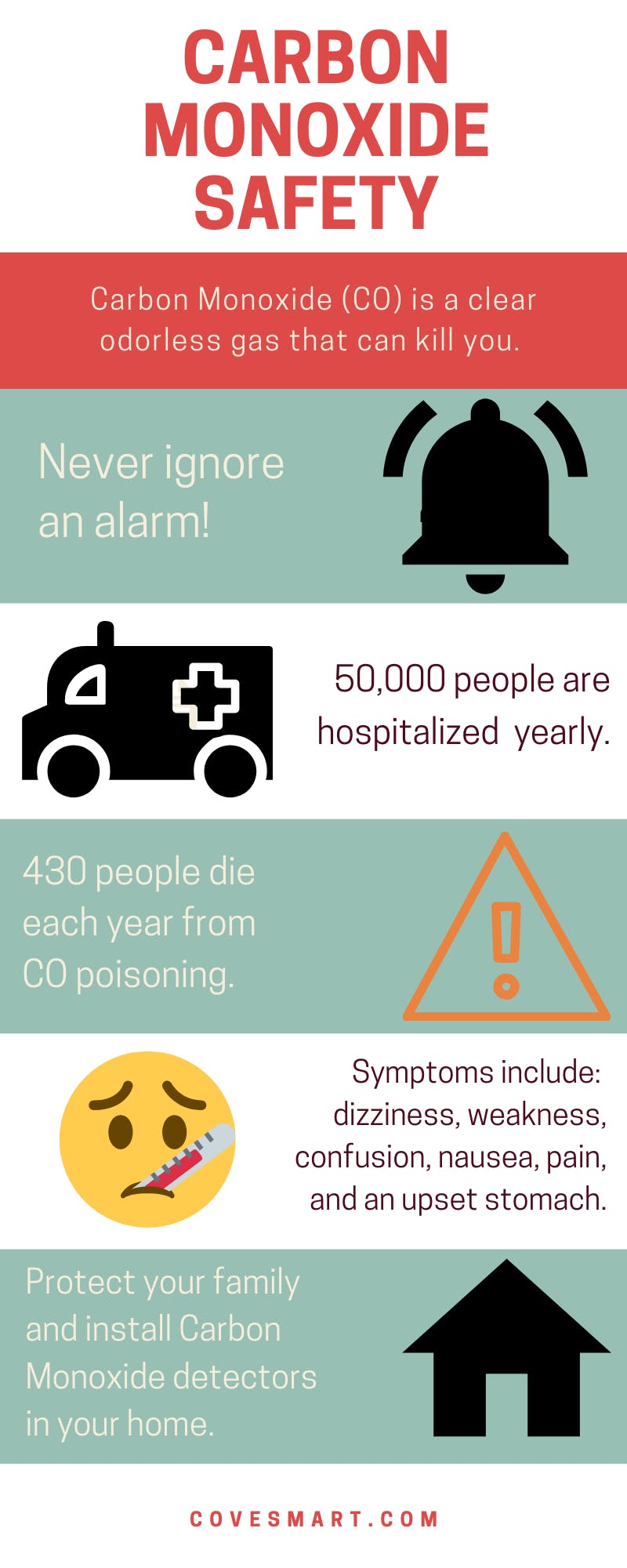
So, what's the takeaway for your home? Since CO mixes so well with air, the placement of your CO detectors is extremely important, but not overly complicated. Unlike smoke detectors that usually go on ceilings (because smoke rises), Carbon Monoxide detectors can and should be placed at various heights, often recommended at mid-level, or even on the ceiling or near the floor. The most important thing is simply to have working CO detectors installed on every level of your home and near sleeping areas. Don't let the "heavier than air" myth distract you from this vital safety measure.

+Properties:+colorless%2C+odorless%2C+heavier+than+air%2C+%25+of+atmosphere..jpg)