Carbon Monoxide Detectors Dioxide Detector
Hey there, ever thought about what's floating around in the air you breathe inside your home? It might sound a bit like science fiction, but understanding and monitoring your indoor air quality is actually a super practical and increasingly popular way to ensure your family's health and comfort. It's all about breathing easier, literally and figuratively, with devices like Carbon Monoxide (CO) Detectors and Carbon Dioxide (CO2) Detectors. Far from being boring safety gadgets, these tools are becoming key players in creating a truly healthy and smart living space, giving you invaluable peace of mind.
Let's dive into why these unassuming heroes are so important. First up, the Carbon Monoxide Detector. This little marvel is a true lifesaver. CO is often called the "silent killer" because it's an invisible, odorless, and tasteless gas produced by faulty fuel-burning appliances (think furnaces, gas stoves, fireplaces, or even cars idling in an attached garage). For beginners and families, installing CO detectors near bedrooms and on every level of your home is non-negotiable. They provide an early warning, protecting everyone from potentially fatal poisoning and preventing serious, long-term health issues. The benefit is clear: safety first, always.
Now, shifting gears to the Carbon Dioxide Detector. While CO2 isn't acutely toxic at common indoor levels like CO, high concentrations can make a room feel stuffy, lead to drowsiness, headaches, and a lack of focus. For families, monitoring CO2 levels helps ensure kids are learning and sleeping in well-ventilated spaces, potentially improving their concentration and overall well-being. For hobbyists or remote workers, especially those in home offices or workshops, a CO2 monitor can be a game-changer for maintaining alertness and productivity. It helps you understand when your indoor air needs a refresh – often just by opening a window!
Must Read
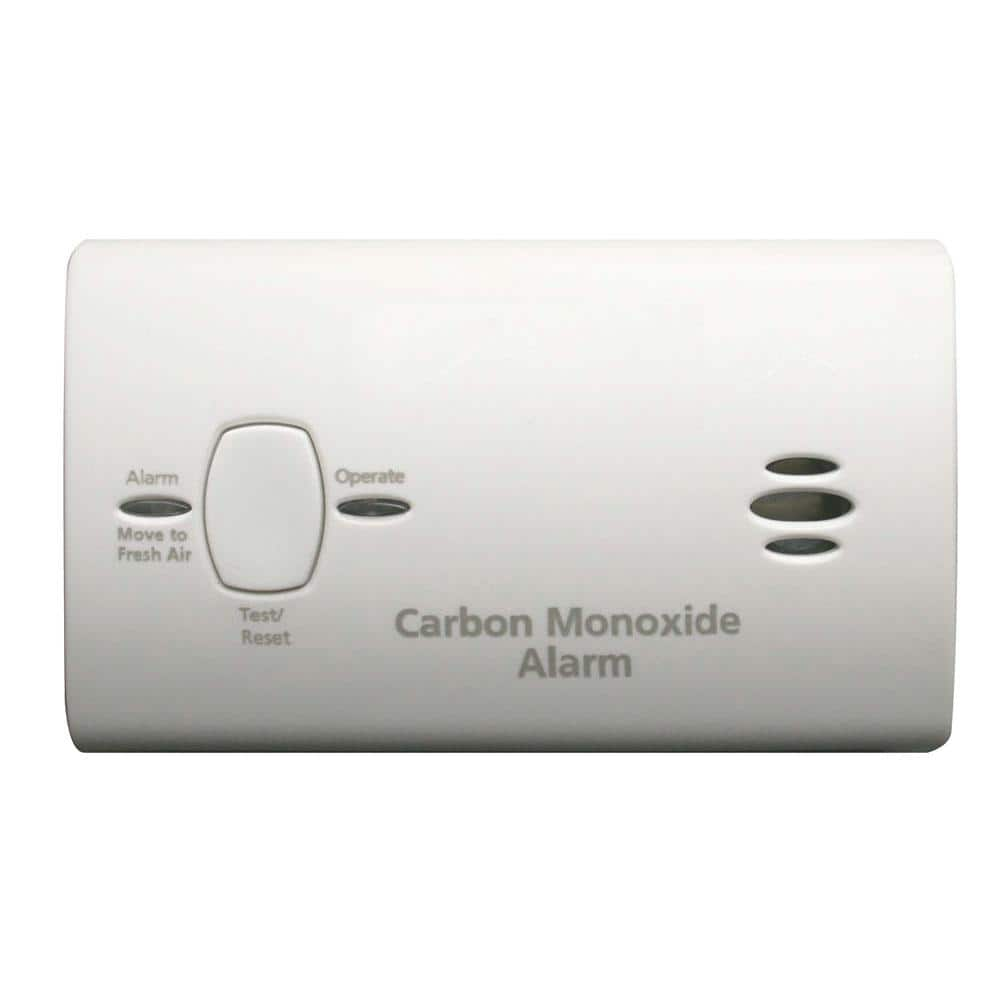
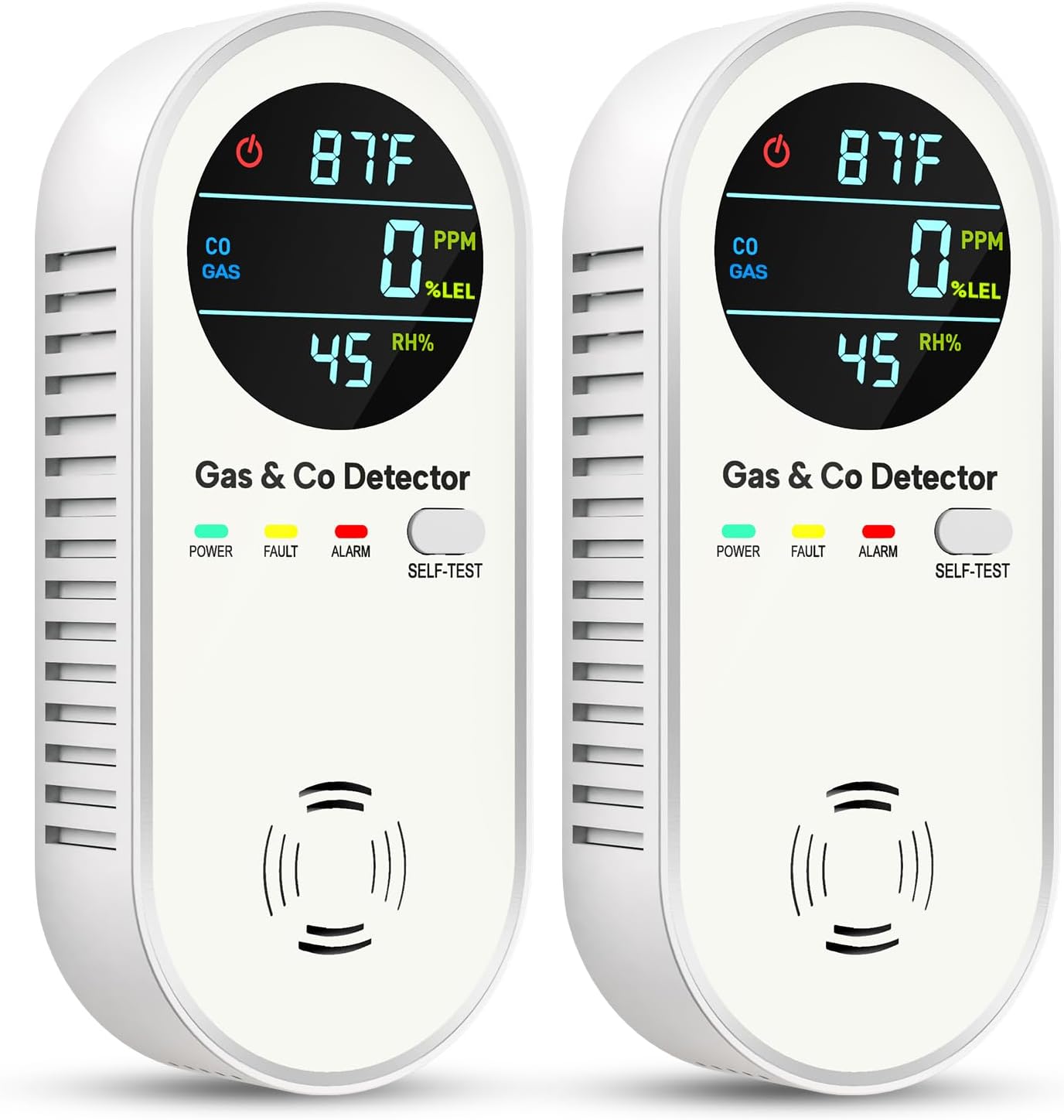
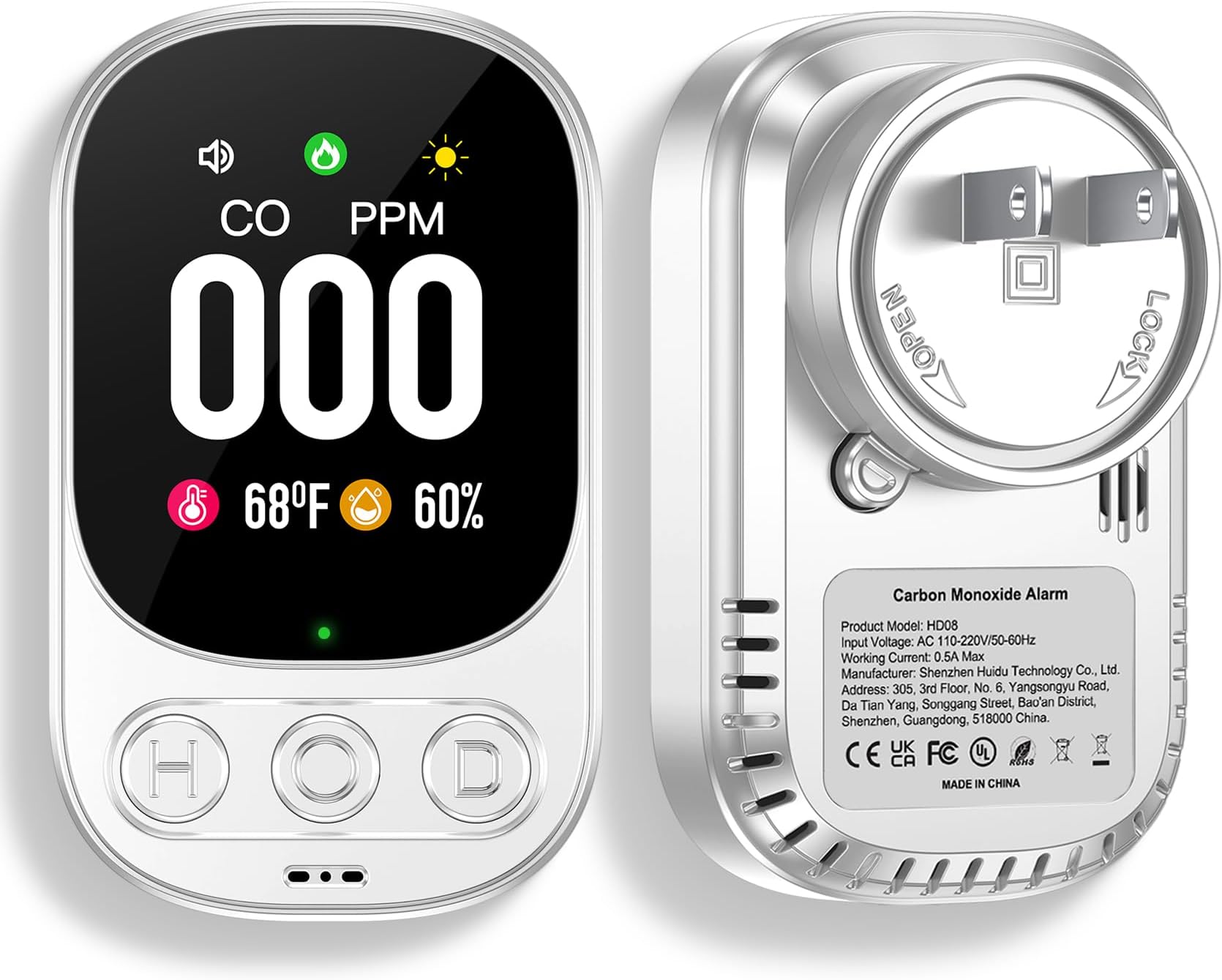
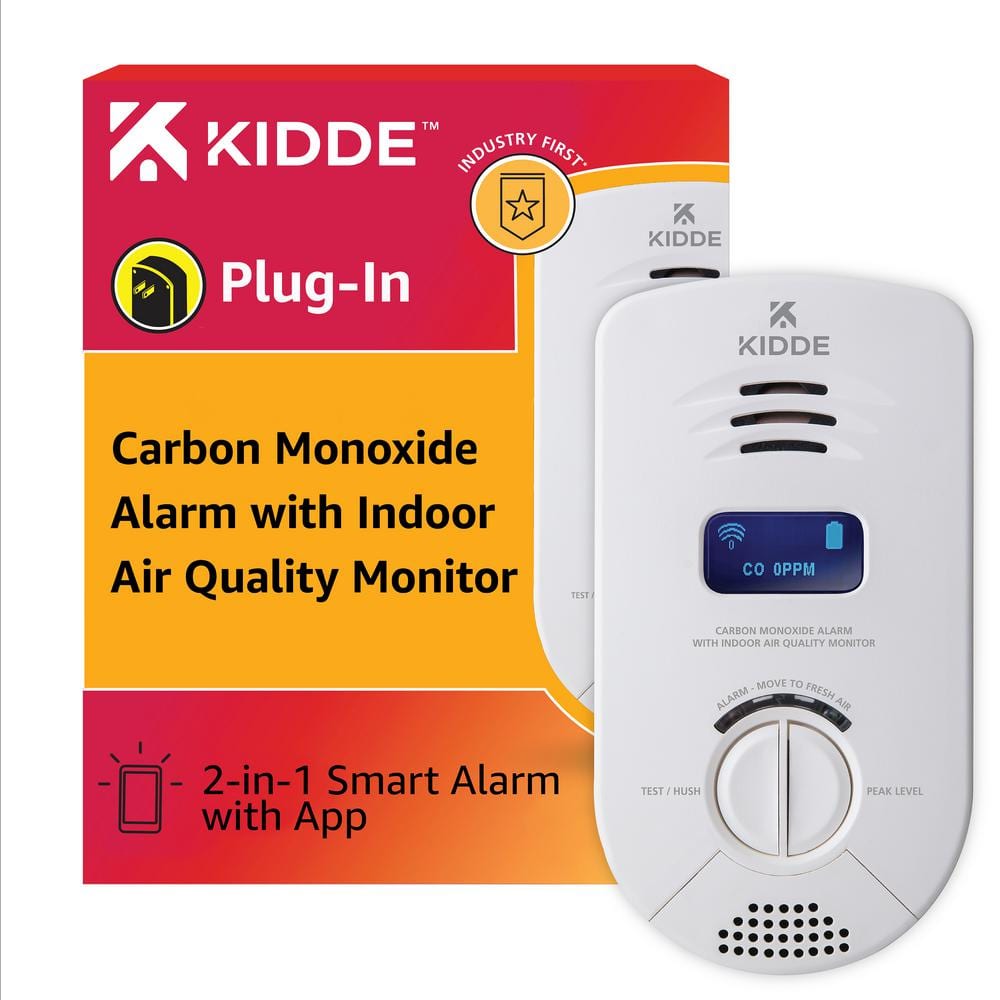
These detectors come in various shapes and sizes to fit your needs. CO detectors are commonly available as standalone battery-powered units, plug-ins with battery backup, or integrated into smoke detector units for dual protection. For CO2 detectors, you'll find sleek desktop monitors with digital displays that show you current levels, often alongside temperature and humidity. Some advanced models even integrate with smart home systems, allowing you to track air quality trends over time from your phone. There are also comprehensive air quality monitors that include CO2 as part of a wider suite of sensors, detecting volatile organic compounds (VOCs) and particulate matter.
Ready to get started? It's easier than you think! For CO detectors, simply install them on every level of your home and near sleeping areas. Remember to test them monthly using the test button, replace batteries annually (if they're not sealed units), and replace the entire unit every 5-7 years as per the manufacturer's guidance – their sensors degrade over time. For CO2 detectors, place them in your most-used rooms, like living areas or bedrooms. Aim to keep CO2 levels below 800 parts per million (ppm) for optimal comfort and focus. If it creeps above 1000-1200 ppm, that's your cue to open a window or turn on a fan to air things out. It's that simple!
So, there you have it. These seemingly simple devices are powerful tools for safeguarding your health and enhancing your living environment. By understanding and utilizing Carbon Monoxide and Carbon Dioxide Detectors, you're not just buying gadgets; you're investing in a smarter, safer, and healthier home. It's all about enjoying the fresh air, both outdoors and in, and knowing you've taken proactive steps to ensure your family can always breathe easy.