
Carbon Monoxide Detector For Boiler Room

Hey there! Grab a coffee, or, you know, your beverage of choice. We need to chat about something that, frankly, isn't the most glamorous topic, but it's one of those things that can literally be a lifesaver. We're talking about a little gadget that should absolutely, positively, without a doubt, be chilling in your boiler room: a Carbon Monoxide detector.
I know, I know. Boilers! So exciting, right? Usually, we only think about them when they're not working, or when the heating bill arrives. But lurking in that humble space, where your boiler hums away, there's a potential invisible threat. And no, I’m not talking about dust bunnies the size of small dogs, though those are pretty scary too!
The Silent Sneak: Carbon Monoxide
Okay, so let's get real about Carbon Monoxide, or CO as the cool kids (and safety experts) call it. This stuff is a truly nasty piece of work. Why? Because it’s a total master of disguise. It’s colorless, odorless, and tasteless. You literally can't see it, smell it, or taste it. It’s like a ninja, but way more dangerous than a ninja just trying to steal your snacks.
Must Read
Your boiler, furnace, water heater, gas stove – basically anything that burns fuel – produces CO as a byproduct. Most of the time, everything's hunky-dory, and it vents safely outside. But if something goes wrong? A faulty burner, a blocked flue, a rusty exhaust pipe, even a tiny crack? Suddenly, that silent gas can start building up in your home. And that, my friend, is where the trouble begins.
Why Your Boiler Room Needs Its Own CO Guardian
Think about it. The boiler room is often a closed-off space. If CO starts leaking there, it can accumulate without anyone noticing. Symptoms of CO poisoning? They’re super sneaky. We’re talking headaches, dizziness, nausea, tiredness. Sounds like a bad flu, right? Or maybe just a Monday? The problem is, you just get sleepier and sleepier, and eventually... well, let’s just say it’s not a peaceful nap.

Having a dedicated CO detector right there, near the source, is like having a tiny, vigilant bodyguard for your boiler. It’s the first line of defense! Before that nasty gas even thinks about creeping into your living room where you’re innocently binge-watching, that little gadget will let out a shriek that’ll make you jump out of your socks. And trust me, you want that shriek.
Where to Put the Little Lifesaver
So, you’re convinced (I hope!). Now, where do you stick this essential piece of kit? For the boiler room, you'll want it on the wall or ceiling. Not right on top of the boiler, obviously; we don't want it to get too hot and bothered. Usually, a few feet away, at about chest height, or following the manufacturer’s instructions for ideal placement, is the sweet spot. You want it close enough to detect a leak quickly, but not so close that normal boiler operation triggers false alarms.

And remember, CO doesn't rise or fall like smoke or natural gas. It mixes with the air. So, don't overthink the height too much, just make sure it's not obstructed or tucked away in a dusty corner where it can't "breathe."
What Kind to Look For (Don't Skimp!)
When you're shopping, don't just grab the cheapest one. Look for a detector that has a digital display. This lets you see the CO levels, not just get an alarm when it’s too high. It's like having a little dashboard for your air quality.
Also, a lot of modern CO detectors come with an end-of-life indicator. This is super important. CO detectors don't last forever – usually about 5-7 years, depending on the model. They have a sensor that degrades over time. An end-of-life indicator will chirp to let you know when it's time to replace the whole unit, not just the batteries. Think of it as your detector politely telling you it's retiring!

You can choose between battery-powered, plug-in, or even hardwired options. Battery-powered is great for easy installation, but remember to change those batteries! Plug-in models usually have battery backup, which is always a smart move in case of a power outage (because CO doesn't care if the lights are on or off).
Test, Test, Test! And Replace!
Just like your smoke detectors, your CO detector needs some TLC. Test it regularly! Most manufacturers recommend testing once a month. There's usually a little "Test" button. Press it, listen for the ear-splitting alarm, and then breathe a sigh of relief knowing it's working. If it doesn’t scream at you, replace it ASAP!
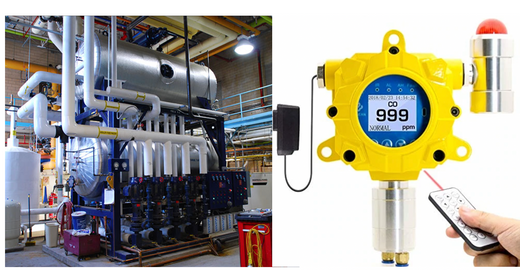
And remember that end-of-life thing? Mark the installation date on the detector with a permanent marker. Or, even better, set a recurring reminder on your phone for 5-7 years down the line. It's a small task that buys you massive peace of mind.
So, What Are You Waiting For?
Seriously, folks. This isn't one of those "maybe someday" tasks. A Carbon Monoxide detector for your boiler room is a relatively small investment that offers huge protection. It protects your family, your pets, and your sanity. You install it, you test it, and then you mostly forget about it until it's time to replace it. It’s the ultimate silent guardian, watching over your boiler while you go about your life.
So, after you finish that coffee, why not make a quick detour to the hardware store or hop online? Your future self (and everyone living in your home) will seriously thank you for it. Stay safe out there!