Carbon Monoxide Detector 5 Beeps First Alert
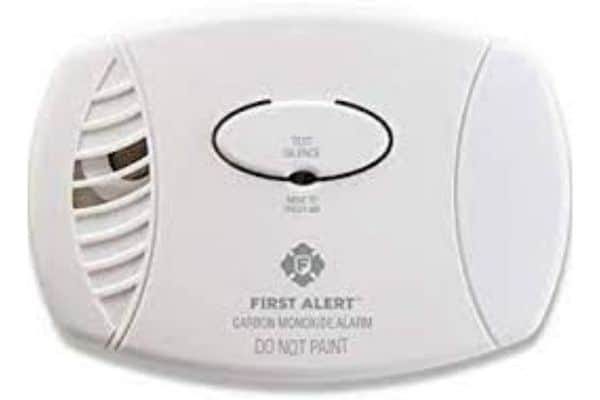
Ever had that moment when a little gadget in your home suddenly starts beeping, and you're not sure if it's an emergency or just a friendly reminder? We've all been there! Specifically, if your Carbon Monoxide (CO) detector lets out five beeps, especially a First Alert model, it's not a drill for a dangerous gas leak, but something equally important for your peace of mind. Understanding what those five beeps mean is like having a secret decoder ring for your home's safety system – it's incredibly useful, helps you avoid unnecessary panic, and keeps your household running smoothly. It turns a potential "what on earth?!" moment into a simple, actionable task, which is pretty cool if you ask me!
For beginners or new homeowners, this knowledge is a golden ticket to home safety 101. Instead of a frantic internet search while a mysterious beeping fills your home, you'll know exactly what action to take. For families, it's about protecting your loved ones from the silent killer that is carbon monoxide, ensuring your home remains a safe haven. Children and the elderly are particularly vulnerable, so having a properly functioning detector is paramount. And for anyone who loves feeling prepared and in control of their living space, understanding these simple signals empowers you to be proactive rather than reactive, making you a true home safety champion!
So, what's the big deal with five beeps? For most Carbon Monoxide (CO) detectors, including the popular First Alert brand, this particular pattern usually signals that the unit has reached its end-of-life. CO detectors typically have a lifespan of 5-7 years (always check your specific model's instructions), and these five beeps are their polite (or not-so-polite, depending on how loud they are!) way of saying, "Hey, it's time for a replacement!" This is distinct from the alarming four short beeps, which do indicate the presence of CO and require immediate evacuation, or a single chirp for a low battery. Knowing the difference between these various beeping patterns is absolutely crucial for appropriate action and helps you manage genuine emergencies versus routine maintenance.
Must Read
Getting started with understanding and maintaining your CO detector is super simple. Here are some practical tips to keep your home safe:
- Check the Date: Look on the back of your detector for a manufacturing or expiration date. This will confirm if it's truly time for a new one when you hear those five beeps.
- Replace Promptly: If your detector is signaling its end-of-life, don't delay! A new unit will restore your home's vital protection.
- Don't Ignore Other Beeps: If you hear four short beeps, evacuate immediately and call emergency services. One chirp means low battery – replace it right away!
- Test Regularly: Press the 'test' button once a month to ensure your detector is functioning correctly. It's a quick check that provides immense assurance.
- Placement Matters: Make sure you have detectors on every level of your home, especially near sleeping areas and attached garages, where CO can most easily become a threat.
See? What seemed like a mysterious alarm is actually a straightforward message for routine home upkeep. Understanding your CO detector's beeps isn't just about safety; it's about feeling confident and in control of your home environment. It’s a small bit of knowledge that brings a huge amount of peace of mind, allowing you to enjoy your home knowing it’s a safe and sound place for everyone. So next time you hear those five beeps, you'll know exactly what to do – and that's a truly valuable feeling!