
Carbon Monoxide Alarm Location House
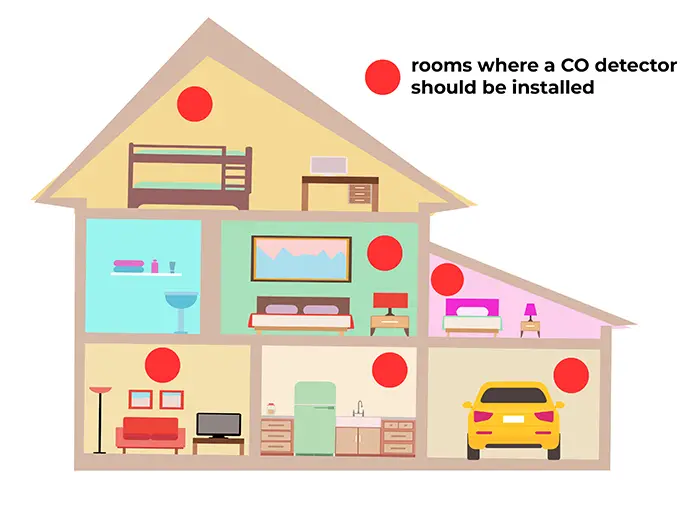
Hey there, awesome homeowner (or soon-to-be awesome homeowner)! Let's chat about something super important, but totally not scary, I promise: Carbon Monoxide (CO) alarms. Think of them as your tiny, vigilant superheroes, always on duty.
We're talking about making sure they're in the perfect spot to keep you and your loved ones safe from that sneaky, invisible villain: Carbon Monoxide. Ready to become a CO alarm placement pro? Let's dive in!
Why Bother with CO Alarms? (Beyond the Obvious!)
So, why all the fuss about CO? Well, this gas is a real party pooper because it's colorless, odorless, and tasteless. Seriously, it's like a ninja – you won't know it's there until it's too late. It basically hijacks your red blood cells, making them carry CO instead of life-giving oxygen. Not cool, CO. Not cool at all.
Must Read
That's why your trusty CO alarm is an absolute must-have, giving you that vital heads-up before things get dicey. It's your early warning system, and choosing its location is key to its superpower effectiveness!
The Golden Rules: Where to Put 'Em (The Super Important Bits)
Alright, let's get down to business: where do these little guardians need to live to do their best work? It’s not just about slapping them on any old wall. Oh no, it’s a strategy! Think of it like picking the best seats at a concert – gotta have the prime view, right?
Rule #1: Every Single Level!
First up, and this is a biggie: You need a CO alarm on every single level of your home. Yes, even that dusty old basement (where maybe your forgotten dreams and exercise equipment live). Why? Because CO can spread, and you want detection coverage from the tip-top to the very bottom.

So, attic (if accessible and finished), main floor, upstairs, basement – everywhere!
Rule #2: Near Sleeping Areas (Don't Be a Sleepyhead!)
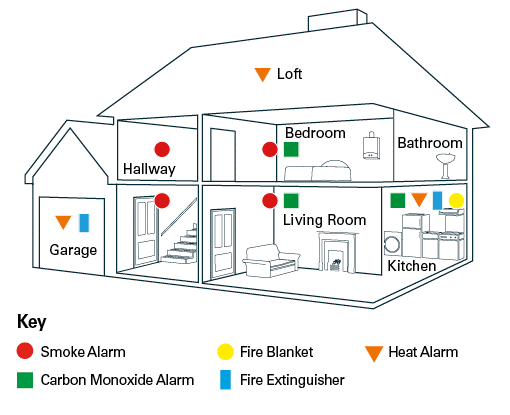
Next, and this one is super crucial: Place alarms near sleeping areas. We're talking in the hallway outside bedrooms, or even inside each individual bedroom if you want extra peace of mind (which, let's be honest, who doesn't?).
The idea is that if CO levels start to rise while you’re catching some Zs, your alarm will wake you up faster than a surprise cold shower. You definitely don’t want to be snoozing through danger!
Rule #3: Near Fuel-Burning Appliances (Keep an Eye on the Culprits)
Finally, consider placing one near fuel-burning appliances. We're talking about your furnace, water heater, gas stove, fireplace – basically anything that burns fuel. These guys are the most common sources of CO leaks.
Now, don't put it right next to the exhaust pipe (we'll get to that in the 'don'ts'), but in the general vicinity. Think of it as a watchful eye on the main suspects!
Where Not to Put Your CO Alarm (Avoid These Oopsies!)
Okay, so we know the VIP spots. Now, let’s talk about the places where your CO alarm would rather not be. Because sometimes, even good intentions can lead to not-so-great placement!
Don't #1: Too Close to Fuel-Burning Appliances (Give 'Em Some Space!)
First 'don't': Don't place your alarm too close to fuel-burning appliances. If it’s too close, say within 5-10 feet, the alarm might get a little overzealous and trigger false alarms from normal, temporary bursts of CO during startup. Nobody likes a drama queen alarm, right? Give it some breathing room!
Don't #2: Near Vents, Windows, or Doors (No Drafty Detectives!)
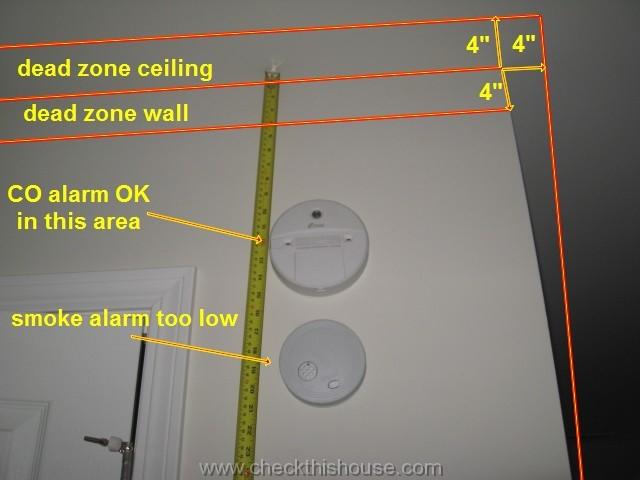
Second 'don't': Avoid placing them near vents, windows, or doors. A drafty spot can mess with the sensor's ability to accurately detect CO. It's like trying to smell a delicious cookie in a wind tunnel – kinda hard to get a good read! You want the alarm to sample the general air, not just a breezy gust from outside.
Don't #3: High Humidity Areas (Steamy Situations Aren't Their Thing)
Third 'don't': Keep them out of high-humidity areas like bathrooms or laundry rooms. All that steam and moisture can damage the internal electronics and lead to unreliable readings or a shorter lifespan for your alarm. They're not designed for a spa day!
Don't #4: In Direct Sunlight or Extreme Temperatures (They're Not Sunbathers!)
Fourth 'don't': No direct sunlight or extreme temperatures! Your CO alarm isn't a sunbather, and it doesn't do well in scorching heat or freezing cold. These conditions can warp the sensors or damage the battery, making your tiny guardian less effective. Keep them in stable, room-temperature spots.

A Quick Reminder (Because We Care!)
Whew! That was a lot of info, but you totally crushed it! Just a quick final thought: CO alarms aren't just fancy wall art. Remember to test them monthly (there's usually a button for that!) and replace the batteries regularly (usually twice a year, like when you change your clocks).
And like all good things, they don't last forever – check the manufacturer's date and replace the entire unit every 5-7 years. Think of it as giving your tiny superhero a fresh, new cape!
So there you have it! Installing and properly placing CO alarms is one of the easiest and most important things you can do to protect your home and family. It's a small step that makes a giant difference. Now go forth, place those alarms with confidence, and enjoy your beautifully safe and sound home!
You've just become a CO alarm placement pro, and that's something to smile about! Keep shining brightly, safe and sound!