Carbon Monoxide Alarm How To Change Battery

Ever been greeted by that persistent, rhythmic chirp, chirp, chirp coming from somewhere in your house? Ah, the sweet serenade of a carbon monoxide alarm letting you know it's time for a little TLC! While it might feel like an annoying interruption at first, think of it as your home's friendly way of saying, "Hey, I'm here, I'm working, but I need a quick energy boost to keep looking out for you." Keeping your CO alarm in tip-top shape by simply changing its battery is one of those wonderfully useful, small tasks that brings huge peace of mind. It’s like giving your home a mini health check-up, a quick tune-up that keeps your most vital safety device humming along happily.
For beginners and new homeowners, tackling a carbon monoxide alarm battery change is a fantastic first step into basic home maintenance. It demystifies what might seem like a complicated safety device and proves that keeping your home safe doesn't require an engineering degree. You'll feel a real sense of accomplishment! For families, the benefits are even more profound. Carbon monoxide is an invisible, odorless, and tasteless gas, making a working alarm your first and best defense. Regularly checking and changing batteries isn't just a chore; it’s an active step in safeguarding your loved ones. It teaches kids the importance of home safety devices and how simple actions can prevent serious problems. And for the everyday home maintainer or DIY enthusiast, it's just another satisfying tick on the home maintenance checklist, a proactive measure that saves potential headaches (and real dangers) down the line.
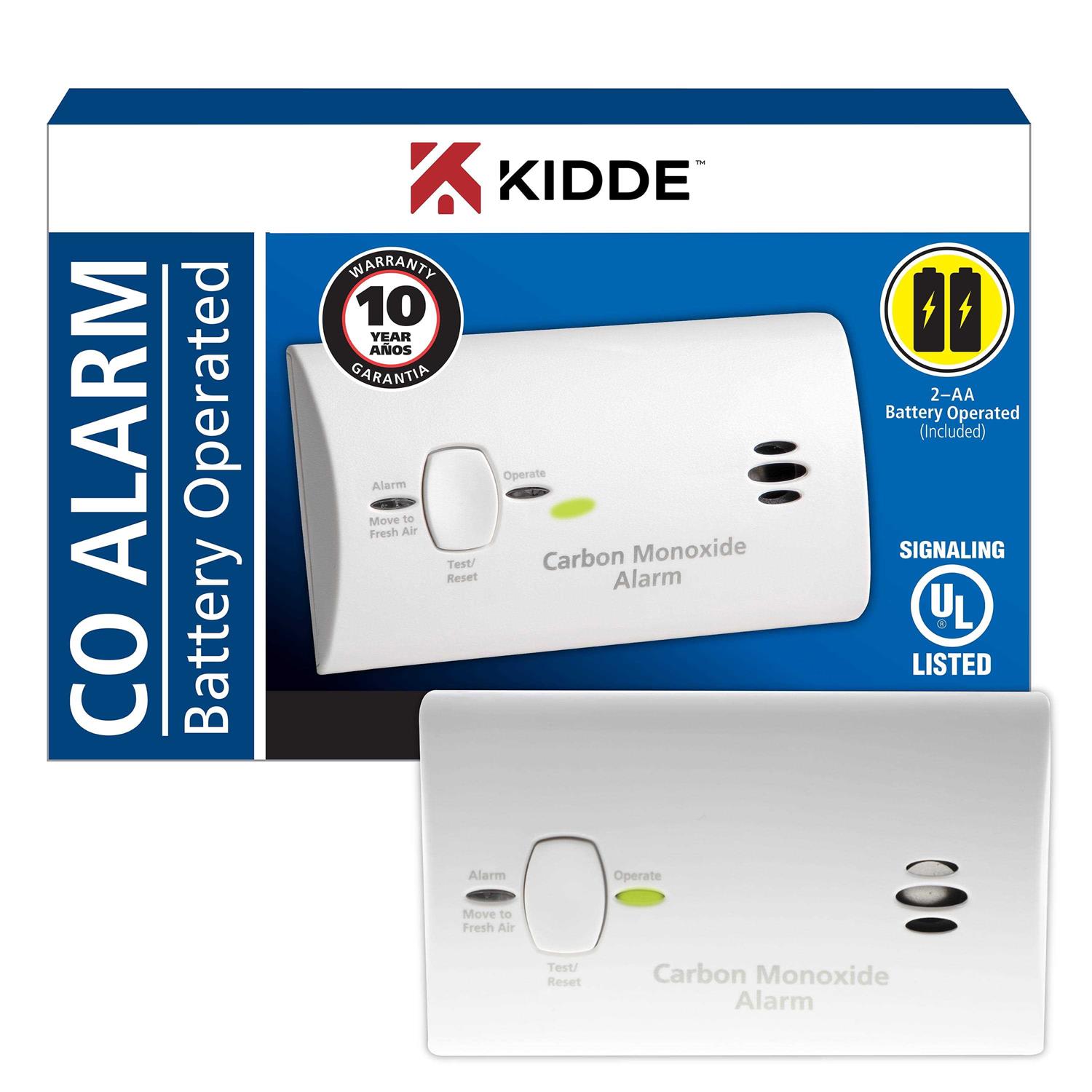
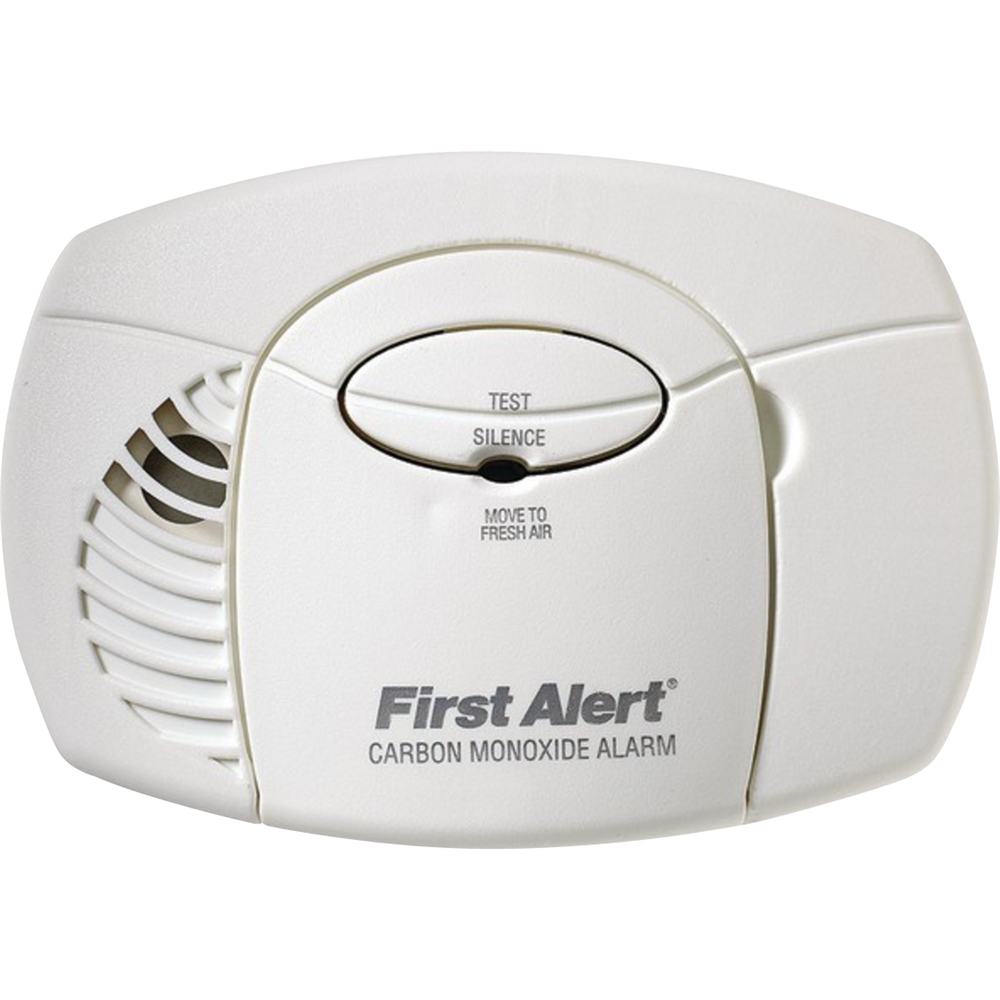
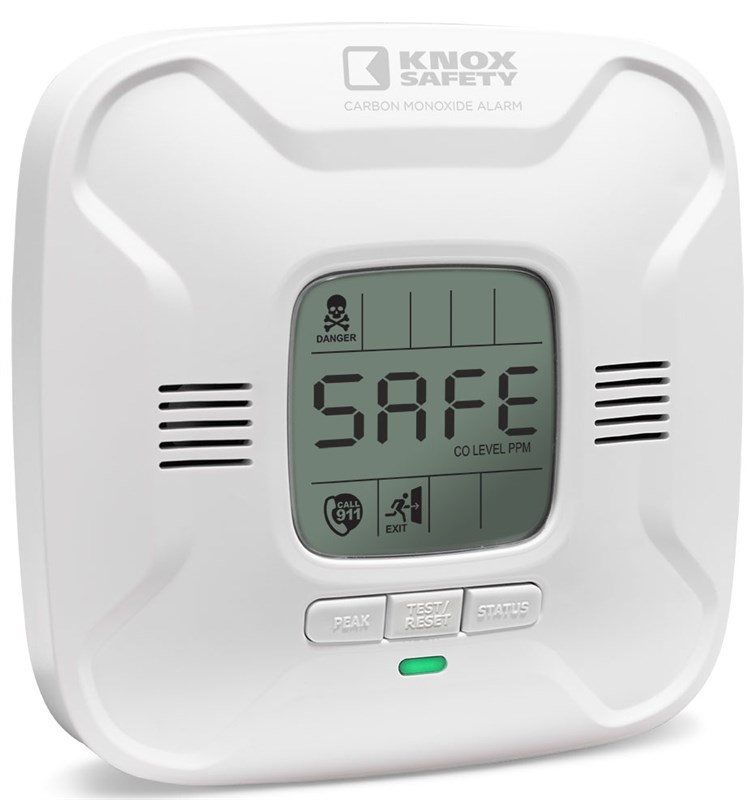
When it comes to CO alarms, there's a little bit of variety out there. Most common are the standalone battery-powered units, often using AA, AAA, or 9-volt batteries. Then there are plug-in alarms with battery backup, or even hardwired systems that still rely on a battery backup during power outages. Whichever type you have, that tell-tale chirp almost always means the backup battery needs replacing. Some alarms even have digital displays that might show "BAT" or a low battery icon. It's always a good idea to know which battery type your specific model uses – a quick glance at the back or a peek inside the battery compartment will usually tell you. And remember, that low battery chirp is distinct from a full-blown CO alarm (which is usually much louder and continuous), but if you're ever in doubt, evacuate and call emergency services!
Must Read
Ready to silence that chirp? Here are some simple, practical tips to get started: First, locate your alarm. Once found, gently detach it from its mounting plate if it’s a ceiling or wall unit. Most have a little tab you push or twist. Next, look for the battery compartment. It’s usually a slide-out drawer or a small cover you can twist open. Take out the old batteries, making a mental note of their orientation (+/-). Pop in the new ones, ensuring they’re correctly aligned. Close the compartment securely. Reattach the alarm to its mounting plate, if applicable. Finally, and this is crucial, press the "Test" button! You should hear a loud siren, confirming the new battery is working. A good practice is to mark the date of battery replacement on the alarm itself with a permanent marker, or add it to your calendar for next year. And when in doubt, the user manual is your best friend!
See? Not so daunting after all! That annoying chirp has now become a quiet symbol of a job well done. You’ve taken a small, easy step that contributes significantly to the safety of your home and everyone in it. The value isn't just in silencing a persistent noise; it's in the peace of mind that comes from knowing your home's unseen guardian is fully powered and ready to protect. A small effort for a big return in safety and serenity. Well done!