
Carbon Footprint Electric Car Vs Gasoline Car
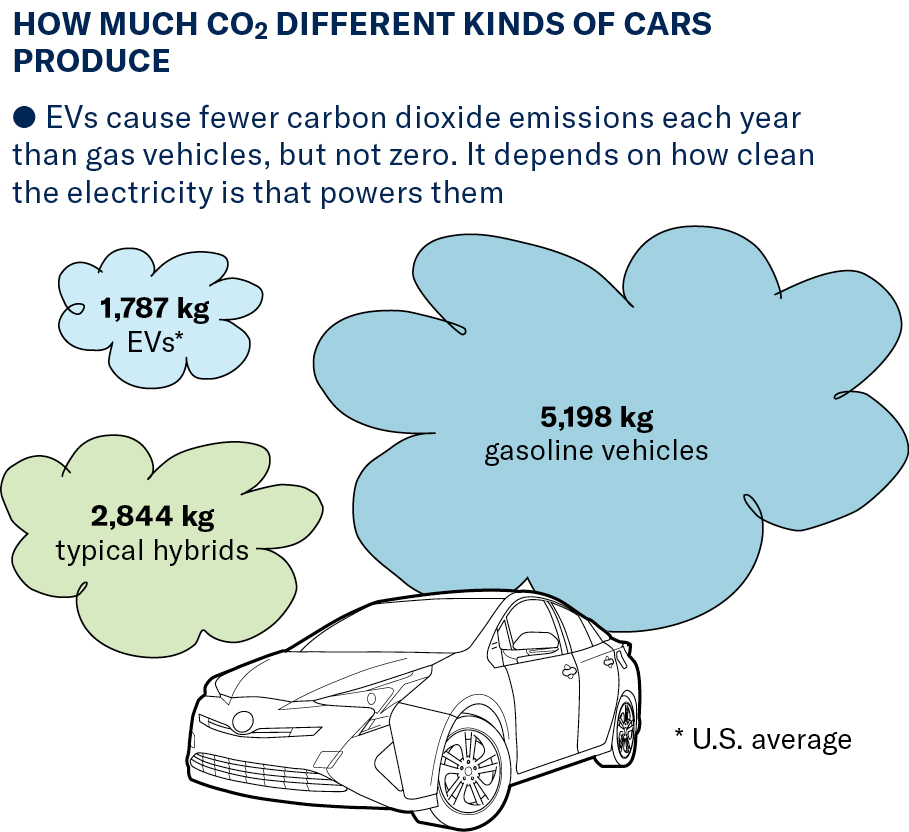
Okay, let's talk cars! We all love the freedom of hitting the road, whether it's a grocery run or a cross-country adventure. But have you ever stopped to think about the environmental impact of your ride? Specifically, its carbon footprint? Don't worry, we're not about to get all preachy and scientific. We're going to break down the whole "electric car vs. gasoline car carbon footprint" thing in a way that's easy to understand, even if your last science class was, well, a while ago.
Imagine your car is like a baker. A gasoline car is like a baker who needs to constantly stoke a coal-fired oven. It's effective, but all that burning releases smoke (aka greenhouse gasses) into the atmosphere. An electric car, on the other hand, is like a baker using an electric oven. It still needs power, but that power can come from cleaner sources like solar or wind. Get the picture?
What's a Carbon Footprint, Anyway?
Simply put, a carbon footprint is the total amount of greenhouse gases – like carbon dioxide (CO2) – that are generated by our actions. Think of it as the trail of pollution you leave behind, like glitter after a kid's art project. Some activities leave a bigger glittery mess than others!
Must Read
For cars, the carbon footprint comes from a few key areas:
- Manufacturing: Making the car itself, from mining the raw materials to assembling all the parts.
- Fuel/Electricity Production: Getting the energy to power the car. For gasoline cars, it's drilling for oil, refining it into gasoline, and transporting it to the gas station. For electric cars, it's generating electricity at a power plant (which could be powered by coal, natural gas, solar, wind, etc.).
- Driving: The emissions released while the car is actually in motion. This is where gasoline cars have their biggest impact, directly releasing CO2 as they burn fuel.
Gasoline Cars: The Old Reliables (With a Catch)
Gasoline cars have been the kings of the road for ages. They're familiar, readily available, and filling up the tank is a breeze. But here's the kicker: gasoline cars release a lot of CO2 directly into the atmosphere as they burn fuel. Every mile you drive contributes to that glittery mess we talked about earlier.
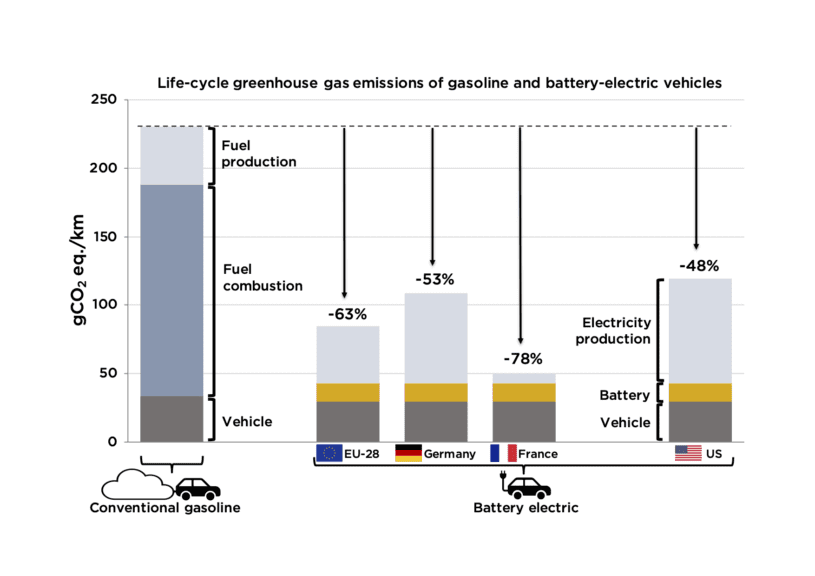
Think of it this way: every time you fill up your tank, you're essentially paying to release more greenhouse gases into the air. It's like giving someone permission to spray paint your house – only the "house" is the entire planet!
Electric Cars: The Clean, Green Machines?
Electric cars are often touted as the eco-friendly alternative, and for good reason. They don't have tailpipes, which means they don't directly release CO2 while you're driving. Hooray for cleaner air in our cities!
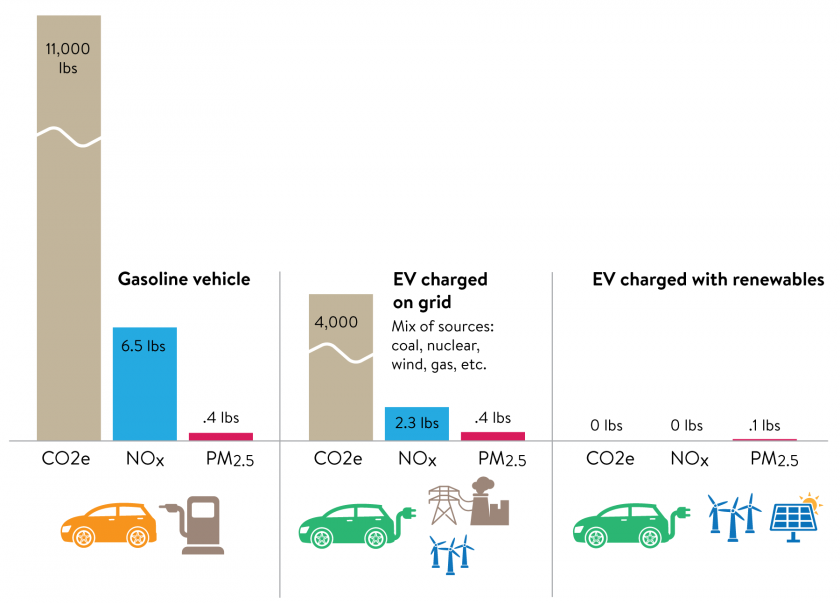
However, it's not quite as simple as "electric car = zero emissions." Remember that electricity has to come from somewhere. If your electricity grid is heavily reliant on coal-fired power plants, then your electric car is still indirectly contributing to greenhouse gas emissions. It's like moving the glittery mess from your car to the power plant.
But here's the good news: electricity grids are getting cleaner all the time, with more and more renewable energy sources coming online. If you charge your electric car using solar panels on your roof, you're essentially driving on sunshine! Now that's a feel-good moment.
The Big Picture: Which is Better?
Generally speaking, electric cars have a lower carbon footprint than gasoline cars over their entire lifespan. Even when you factor in the emissions from manufacturing and electricity production, electric cars still come out ahead. Think of it as the difference between a light dusting of glitter versus a full-on glitter bomb.
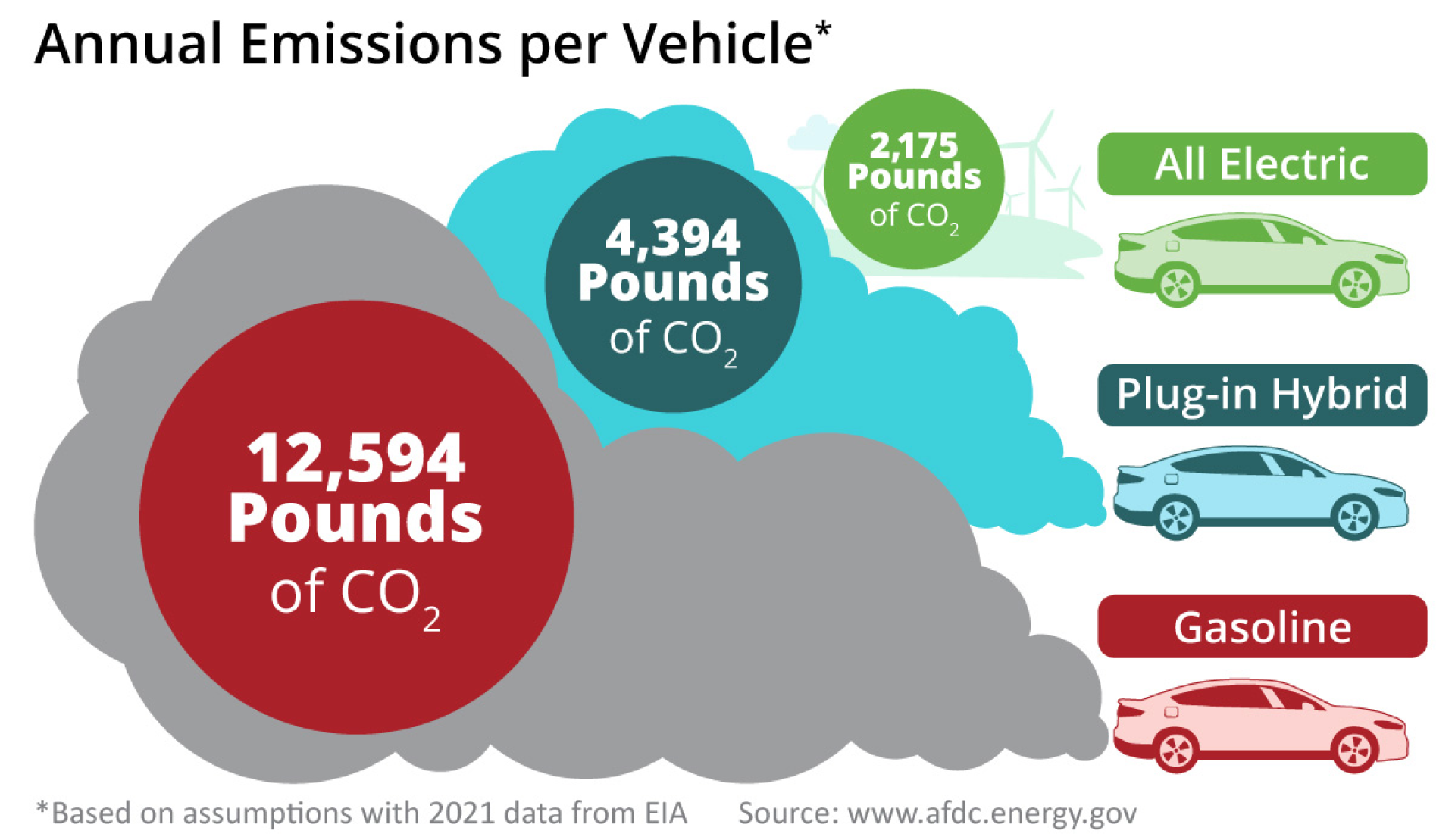
The exact difference in carbon footprint depends on several factors, including:
- The size and efficiency of the car.
- The source of electricity used to charge the electric car.
- The manufacturing processes used to build the car.
However, studies consistently show that electric cars are the greener choice. Plus, as technology improves and electricity grids become cleaner, the environmental benefits of electric cars will only continue to grow.

Why Should You Care?
Okay, so you know electric cars are generally better for the environment. But why should you personally care? Well, for starters, cleaner air is good for everyone's health. Reducing greenhouse gas emissions can help slow down climate change, which can lead to more extreme weather events, rising sea levels, and other serious problems. Think of it as protecting your own little corner of the world, and contributing to a healthier future for your kids and grandkids.
Beyond the environmental benefits, driving an electric car can also save you money on fuel and maintenance. Plus, they're often fun to drive, with instant torque and a smooth, quiet ride. It's like getting a guilt-free pleasure boost every time you hit the road!
Ultimately, the choice of whether to drive a gasoline car or an electric car is a personal one. But hopefully, this article has given you a better understanding of the carbon footprint differences between the two. By making informed choices, we can all do our part to create a cleaner, greener future. And who knows, maybe one day we'll all be driving on sunshine!