
Carbon Dioxide Versus Carbon Monoxide

Ever found yourself scrolling through environmental news, hearing about "carbon" this and "carbon" that, and wondering if it's all just one big, confusing chemical soup? You're not alone! Today, we're demystifying two chemical cousins often lumped together, but with wildly different personalities: Carbon Dioxide (CO2) and Carbon Monoxide (CO). Think of them as the Jekyll and Hyde of the carbon world, each playing a starring role in our lives, but one you definitely want to keep a close eye on.
Meet Carbon Dioxide: The Everyday Essential
Let's start with CO2, the more familiar face. This gas is a real team player, absolutely essential for life on Earth. Every time you exhale, you're breathing out CO2. Plants, our green superheroes, inhale it, perform their magic trick called photosynthesis, and give us back the oxygen we love. It's the ultimate ecological give-and-take!
CO2 is also responsible for those delightful bubbles in your favorite sparkling water or soda. That refreshing fizz? Pure CO2 doing its thing. It's what makes dry ice smoke like a mystical potion, creating dramatic effects for Halloween parties or theatrical productions. So, while it's a big player in climate conversations (a whole other fascinating topic for another day!), in your daily life, CO2 is mostly a benign presence, a natural part of the air we breathe and the world around us.
Must Read
Fun Fact: The average adult breathes out about 2.3 pounds of CO2 per day. That's a lot of gas for all your thoughts and actions!
Now, Let's Talk Carbon Monoxide: The Silent Threat
Alright, switch gears. Now we're introducing Carbon Monoxide (CO). This is where the plot thickens and caution flags start waving. Unlike its friendly cousin, CO is a genuinely dangerous gas that earns its infamous nickname: "The Silent Killer."
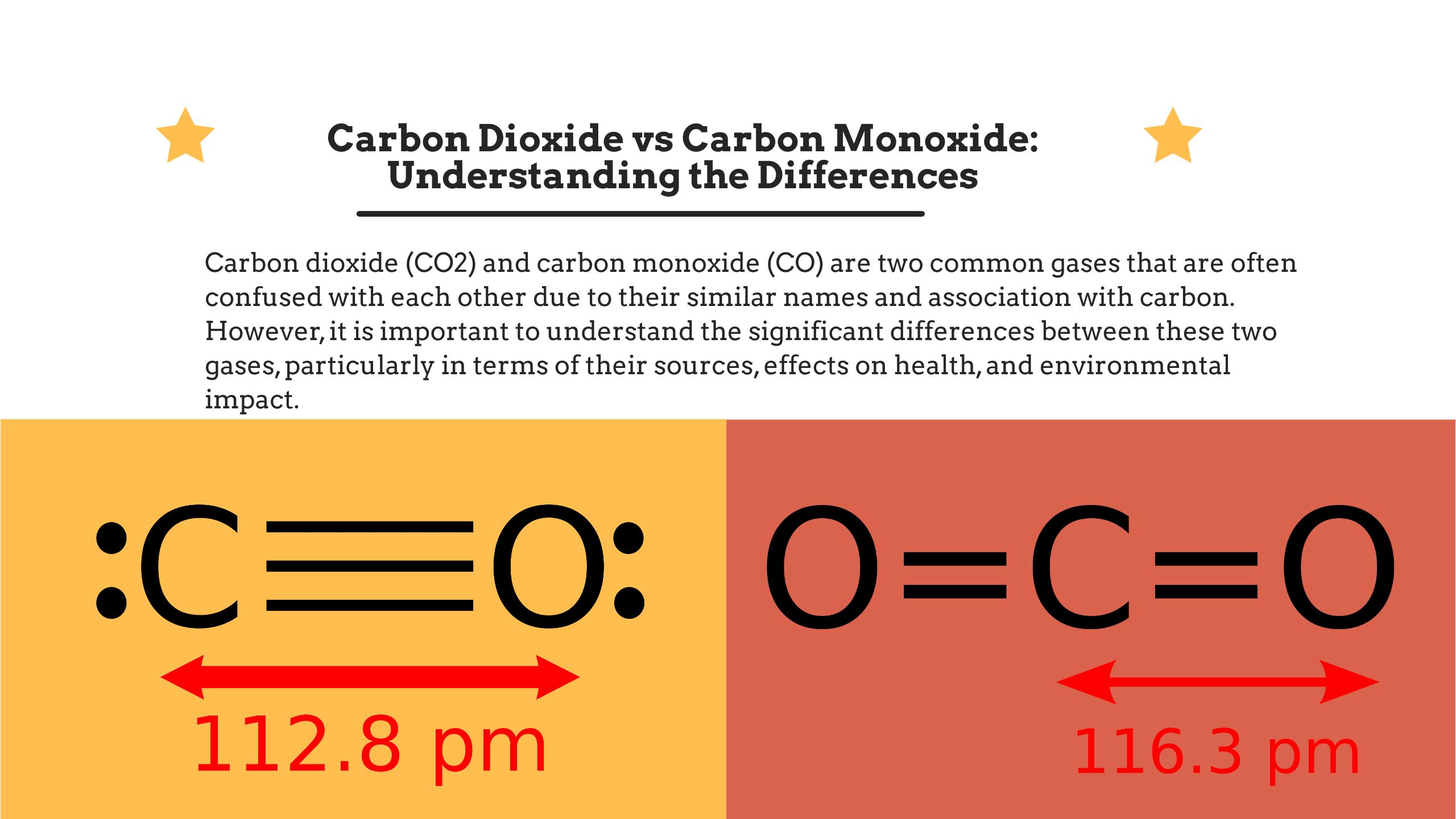
Why so dramatic? Because CO is colorless, odorless, and tasteless. You can't see it, you can't smell it, you can't taste it. This makes it incredibly insidious. It’s like an invisible ninja, lurking silently and doing serious damage before you even know it's there. While CO2 is simply around us, CO is a byproduct of incomplete combustion – meaning when fuels like natural gas, propane, wood, or gasoline don't burn completely.
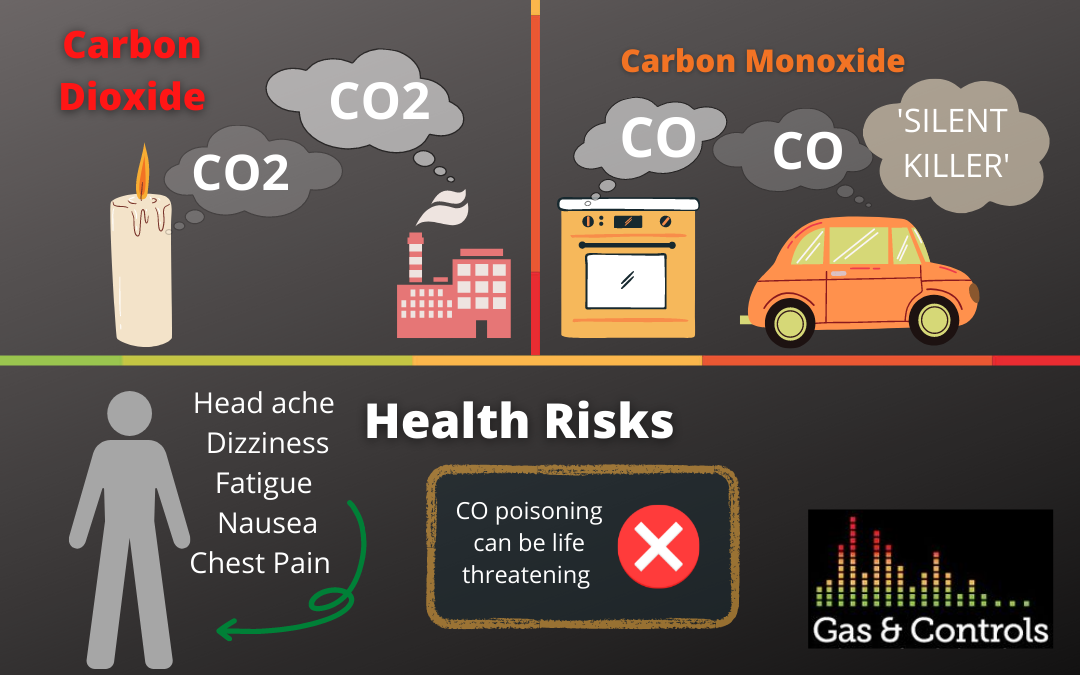
Common culprits include faulty furnaces, gas stoves, water heaters, clothes dryers, and even grills or generators used in enclosed spaces. Running your car in a closed garage? Big no-no. Using a charcoal grill indoors during a power outage? Even bigger no-no. These situations create CO, which then fills the space, unnoticed.
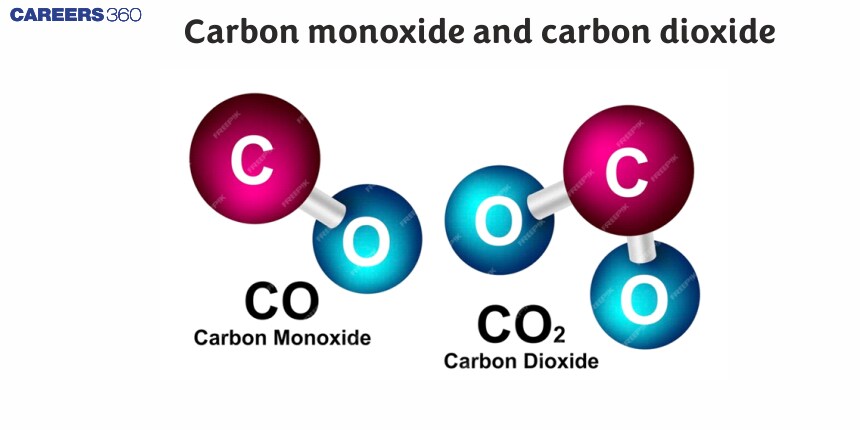
So, what does it do? Here's the scary part: when you breathe in CO, it literally hijacks your red blood cells. Our blood cells are designed to carry oxygen, but CO has a much stronger affinity for hemoglobin (the oxygen-carrying part) than oxygen itself – up to 250 times stronger! This means CO latches on and doesn't let go, essentially starving your body's organs and tissues of vital oxygen. The result can be serious illness, permanent damage, or even death.
Symptoms of CO poisoning often mimic the flu: headaches, dizziness, nausea, fatigue, and confusion. This makes it particularly dangerous, as people might dismiss their symptoms until it's too late. Imagine feeling a bit under the weather, thinking it's just a cold, while your body is slowly being suffocated at a cellular level. Chilling, right?

Your Unsung Hero: The CO Detector
This brings us to the most crucial practical tip: invest in a Carbon Monoxide detector! Just like smoke detectors, these life-saving devices are your first line of defense against this invisible enemy. Place them near sleeping areas and on every level of your home. They're relatively inexpensive and literally save lives.
Pro Tip: Check the batteries twice a year (a good habit to tie to Daylight Saving Time changes!) and replace the unit itself every 5-7 years, as sensors degrade over time. It's a small effort for enormous peace of mind.
The Takeaway: Know Your Carbon Cousins
So, there you have it: two carbon-based gases, two vastly different stories. Carbon Dioxide is a natural, often beneficial part of our ecosystem, one we exhale and plants adore. While its global impact is a hot topic, in your personal space, it's generally safe (unless in extremely high, poorly ventilated concentrations, like a wine cellar during fermentation, which is pretty rare for most folks!).
Carbon Monoxide, however, is a clear and present danger when present in your home. It's a toxic gas produced by incomplete combustion, and its silent nature makes it terrifyingly effective. The key difference? CO2 is a normal part of the air, while CO should never be in your indoor air.
Understanding these distinctions isn't just about chemistry; it's about being informed and taking proactive steps for your health and safety. It's about respecting the invisible forces around us and making sure our living spaces are safe havens, not silent threats. So, breathe easy, keep those CO detectors humming, and appreciate the clear, life-giving air around you.