Can You Weld Stainless Steel With A Stick Welder
Hey there, welding buddy! Ever stare at a pile of shiny stainless steel and think, "Man, I wish I could stick weld that?" I mean, stick welding (SMAW, for the officially inclined) is like the trusty old pickup truck of welding – always there, ready for a beating. But can it actually handle stainless steel? Let's dive in, shall we?
Okay, the short answer is: yes, you can weld stainless steel with a stick welder. But, like most things in life, there's a "but." A big, sparkly, stainless steel "but."
The Upsides (Because There Are Some!)
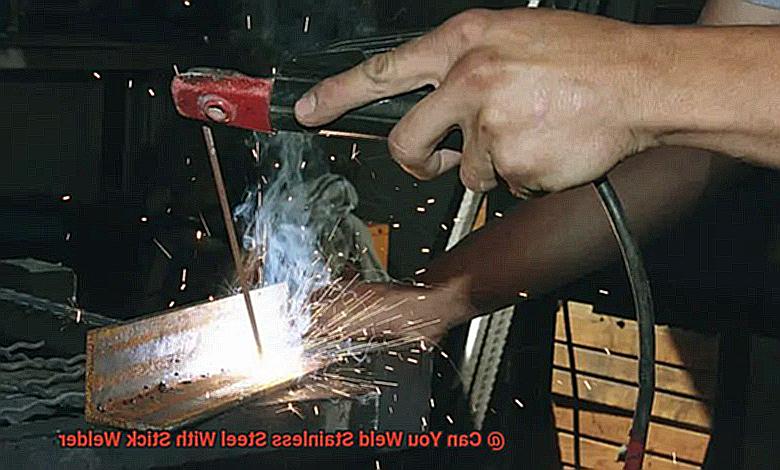
First off, stick welding is super portable. No bulky gas tanks to lug around! Just you, your trusty machine, and a handful of electrodes. Imagine climbing up a rickety ladder to fix some stainless steel railing. TIG welding up there? Good luck! Stick welding? Much more manageable. (Unless you're afraid of heights, then maybe stay on the ground).
Must Read
It's also pretty forgiving on dirty or rusty metal. Stainless steel, thankfully, tends to be pretty clean, but hey, you never know what you might find in the field! Stick welding can burn through some surface contaminants better than other processes. So, bonus points there!
The Downsides (Prepare for a Few...)
Alright, let's be honest, stick welding stainless steel isn't a walk in the park. It’s more like a leisurely stroll through a field of stinging nettles. You can do it, but you might get poked a few times (metaphorically speaking, of course! Wear your safety gear!).
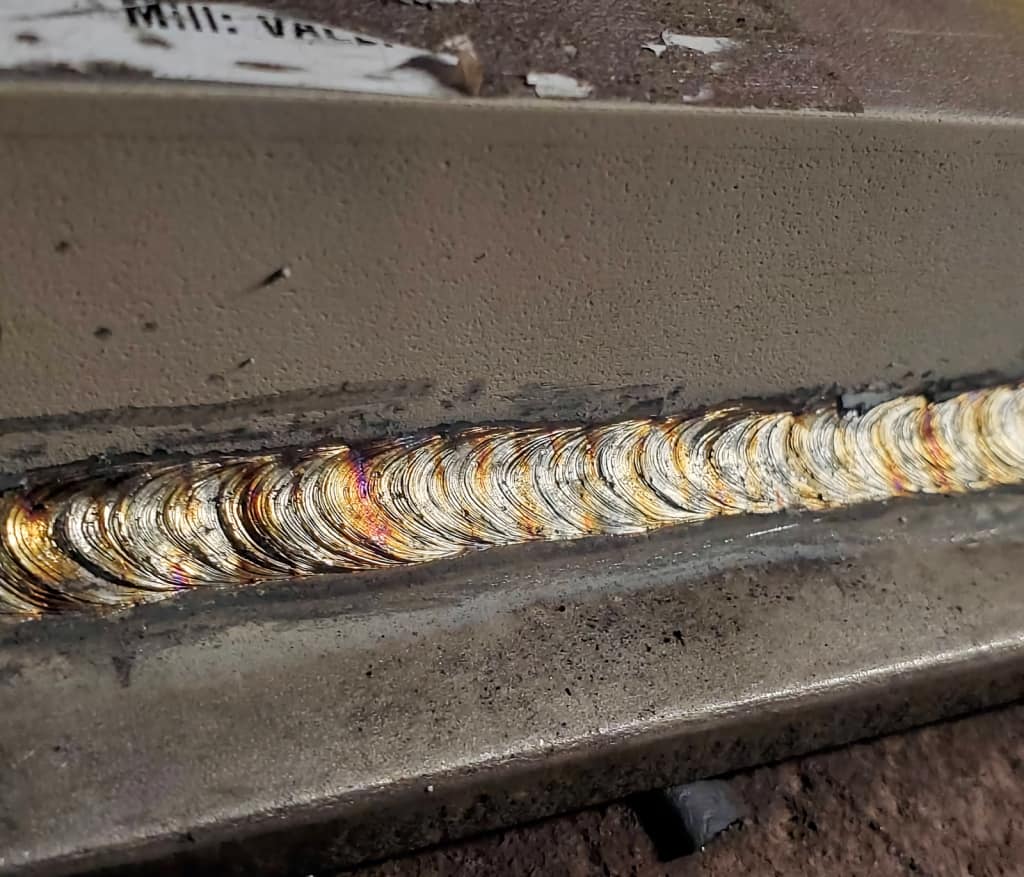
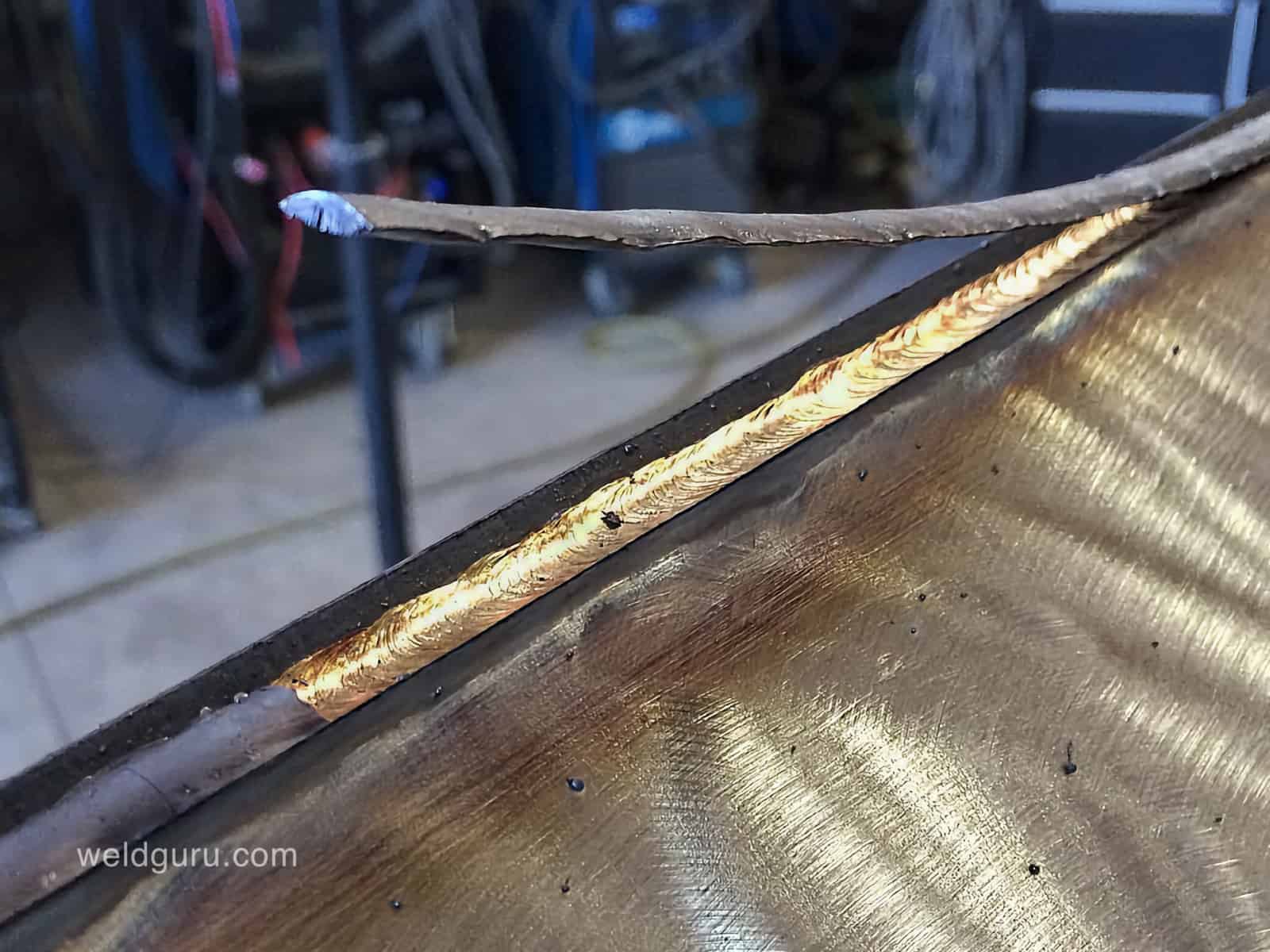
The biggest challenge? Slag. Oh, the slag! Stick welding produces a lot of it. That black, crusty stuff that covers your weld. You'll be chipping and brushing like your life depends on it. And with stainless steel, cleanliness is king! Any slag left behind can cause corrosion issues down the road. Nobody wants rusty stainless steel, right?
Another hurdle is controlling the heat. Stainless steel is a notorious heat hog. It warps and distorts easily if you get too aggressive with the amperage. Think melted spaghetti instead of a neat, strong weld. You’ll need to use a lower amperage and take your time, which leads to…
…a slower welding process. If you're trying to crank out a hundred stainless steel widgets an hour, stick welding probably isn't your best bet. TIG or MIG would be much faster. But for a small project, or a quick repair? Stick welding can do the trick. (Eventually).
Choosing the Right Rods (Electrode Edition!)
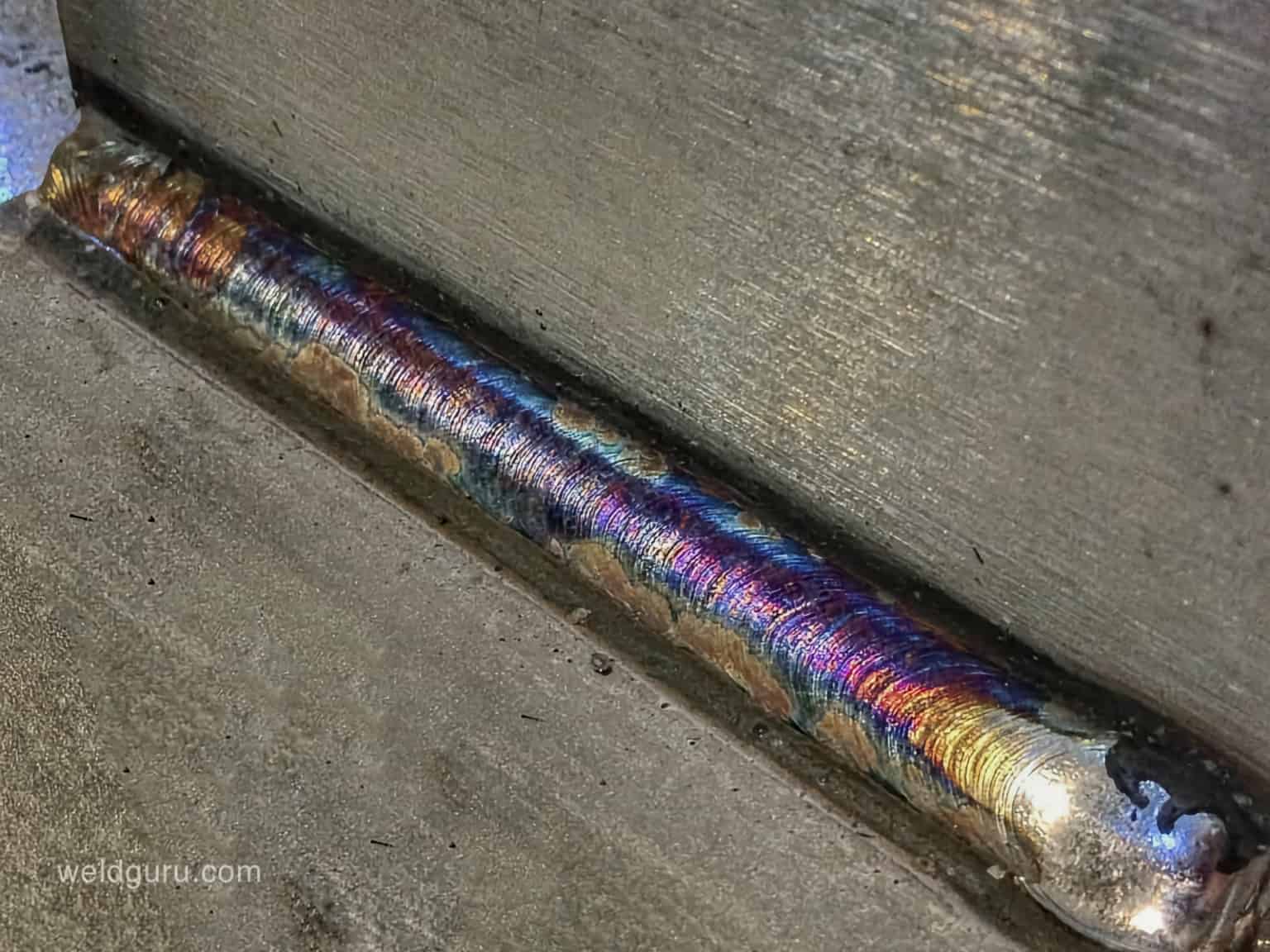
This is crucial! You can't just grab any old stick electrode and expect a miracle. You need stainless steel electrodes specifically designed for stick welding. Look for designations like E308L-16 or E316L-16. The "L" means low carbon, which helps prevent corrosion. See? We're learning!
Also, pay attention to the electrode diameter. Smaller diameter electrodes (like 3/32") are generally easier to control, especially for thinner materials. Don't try to weld paper-thin stainless steel with a quarter-inch electrode. That’s just asking for trouble (and a big, ugly hole!).
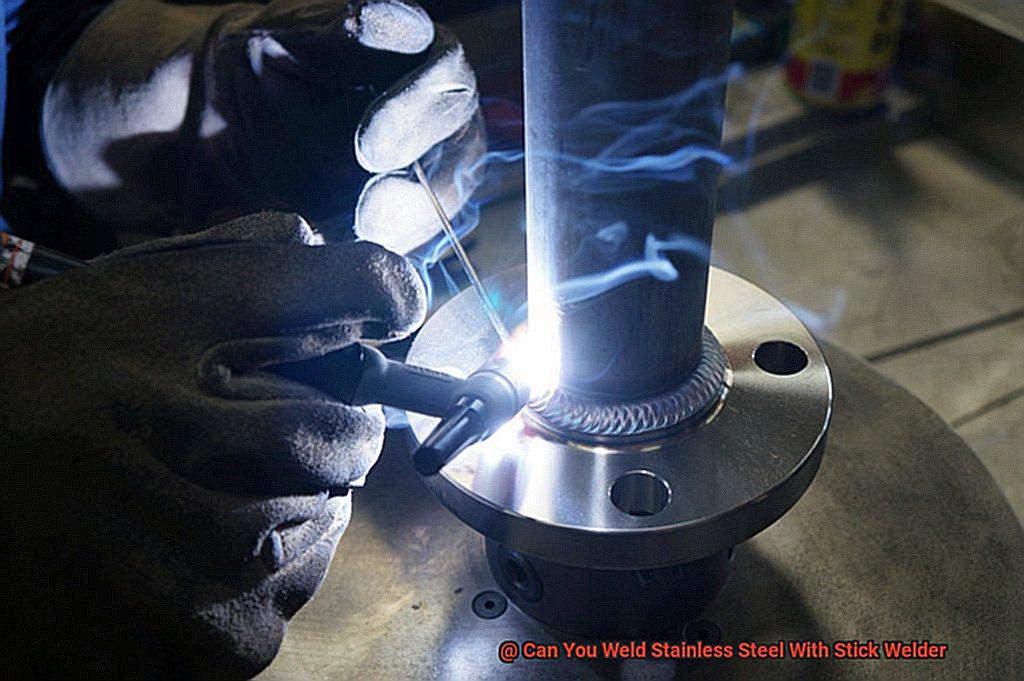
Tips for Success (So You Don't Mess It Up!)
Alright, you're determined to stick weld stainless steel. I admire your tenacity! Here are a few pointers to increase your chances of success:
- Clean, clean, clean! Before you even strike an arc, make sure your stainless steel is spotless. Use a stainless steel brush to remove any dirt, oil, or contaminants.
- Use the right technique. A short arc length is key. Drag the electrode steadily along the joint. Avoid weaving excessively.
- Interpass cleaning is a must! After each weld pass, chip away the slag thoroughly and brush the weld with a stainless steel brush. Seriously, don't skimp on this step.
- Control the heat! Use a low amperage setting and take breaks between passes to allow the metal to cool down. Think of it as a marathon, not a sprint.
- Practice, practice, practice! Don't expect to become a stainless steel stick welding master overnight. Practice on scrap metal until you get the hang of it. Trust me, your future self will thank you.
So, can you weld stainless steel with a stick welder? Yes! Is it the easiest way? Probably not. But with the right technique, the right electrodes, and a whole lot of patience, you can definitely make it work. Now go forth and conquer, my friend! And don't forget your safety glasses!
And hey, if it doesn't work out? There's always TIG welding... just kidding (sort of!).