Can You Weld Regular Steel To Stainless Steel
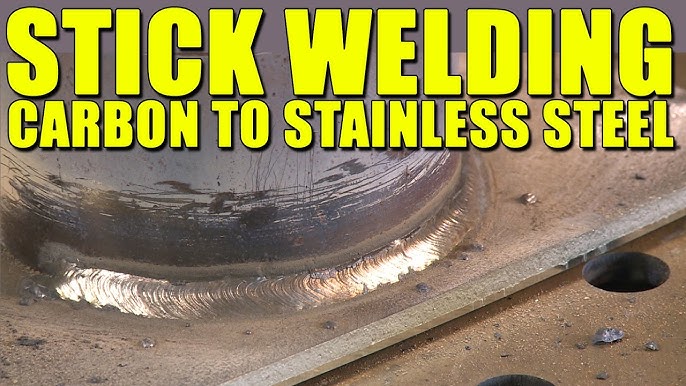
Hey there, welding enthusiast! Ever looked at a project and thought, "Hmm, I need to join these two pieces, but one's regular steel and the other's… shiny stainless steel. Can I even do that?" Well, grab a chair (or your welding helmet!), because we're diving into the fascinating world of joining these two seemingly different metals.
So, the big question: Can you weld regular steel to stainless steel? The short answer is: yes, absolutely! But – and there's always a "but," isn't there? – it's not quite as straightforward as welding two pieces of the same metal together. Think of it like trying to pair socks after laundry day. You can do it, but you need a system to avoid ending up with a polka-dotted sock with a striped one.
Why It's Not Just a Walk in the Park
Regular steel, also known as carbon steel, is your everyday, run-of-the-mill, "I'm gonna rust if you look at me wrong" kind of metal. Stainless steel, on the other hand, is the cool, sophisticated one with chromium that gives it corrosion resistance. Welding these two together creates something called a dissimilar metal weld, and these come with their own set of quirks.
Must Read
One of the main concerns is corrosion. Remember how regular steel loves to rust? Well, when you weld it to stainless steel, that tendency doesn't magically disappear. In fact, it can become even more of a problem. The weld itself and the area around it can become susceptible to something called galvanic corrosion. Basically, the two metals act like a battery, and the less noble metal (usually the regular steel) starts to corrode faster than it normally would. Think of it as a metallic version of sibling rivalry... but with rust.
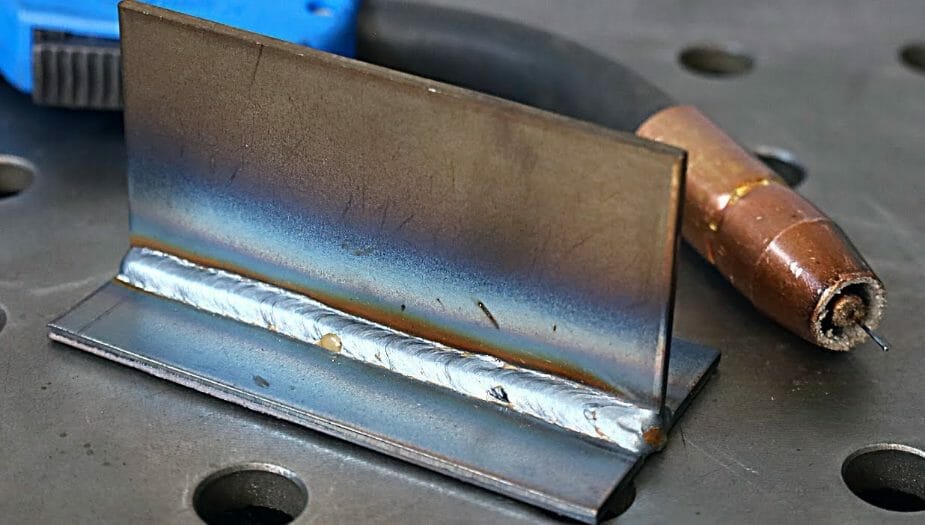
Another thing to watch out for is the different expansion rates of the two metals when heated. This can lead to stress in the weld, and potentially cracking. Imagine baking a cake with two different kinds of batter that expand at different rates – you'd end up with a lopsided, potentially disastrous dessert. The same principle applies to welding dissimilar metals.
Okay, So How DO We Do It?
Alright, enough doom and gloom! The good news is that with the right techniques and materials, you can successfully weld regular steel to stainless steel. Here's a quick rundown:

- Choose the Right Filler Metal: This is crucial. You'll want to use a filler metal specifically designed for welding dissimilar metals. A common choice is a stainless steel filler, often a 309 or 309L. These alloys contain higher levels of chromium and nickel, which helps to bridge the gap between the two metals and create a more corrosion-resistant weld. Think of the filler metal as the marriage counselor between two bickering metals.
- Use the Right Welding Process: TIG (GTAW) and MIG (GMAW) welding are generally preferred for welding dissimilar metals. TIG welding offers more control over the heat input, which helps to minimize distortion and cracking. MIG welding, while faster, requires careful selection of parameters.
- Keep the Heat Down: Excessive heat can exacerbate the problems associated with dissimilar metal welding. Use a lower heat input and consider using techniques like pulse welding to reduce heat buildup. You want a nice, gentle simmer, not a roaring bonfire.
- Clean, Clean, Clean: As with any welding project, cleanliness is key. Make sure both surfaces are free of rust, scale, oil, and other contaminants. A clean weld is a happy weld!
- Consider Post-Weld Treatment: Depending on the application, you might want to consider a post-weld heat treatment or coating to further improve corrosion resistance.
Important Note: This isn't a "wing it and hope for the best" situation. If the weld is critical, consult with a welding engineer or metallurgist to ensure you're using the correct procedures and materials for your specific application. Safety first, folks!
The Takeaway
Welding regular steel to stainless steel can be a bit tricky, but it's definitely achievable with the right knowledge and techniques. Don't be intimidated! Embrace the challenge, do your research, and practice, practice, practice. Remember, every expert welder started somewhere, probably with a few less-than-perfect welds along the way. So grab your helmet, fire up your welder, and go create something awesome! And hey, if it doesn't turn out perfectly the first time, don't sweat it. Just grind it down and try again. That's the beauty of welding, right? You get to play with fire and make cool stuff. Now go forth and weld, my friend! You've got this!