Can You Use Lithium Batteries In Place Of Alkaline

Alright, gather 'round, friends! Let's talk batteries. Not the kind that power your social life (though that’s important too!), but the kind that keep your TV remote from staging a silent protest. Specifically, we’re tackling the age-old question: Can you swap those trusty alkaline batteries for their lithium cousins? Buckle up, because the answer, like most things in life, is… it depends!
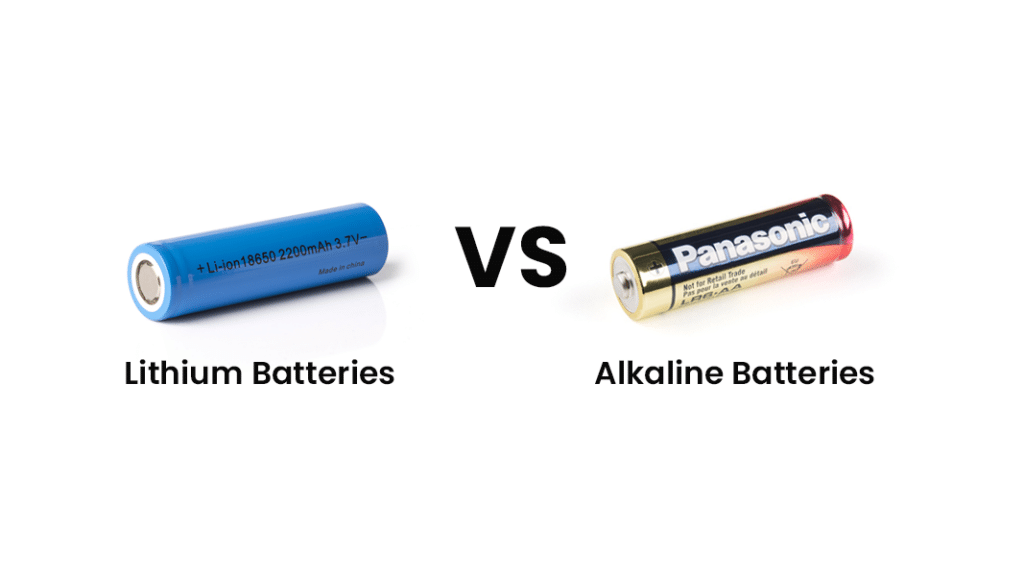
Imagine alkaline batteries as the dependable, slightly boring friend who always shows up on time. They're the workhorses of the battery world, powering everything from your kid's remote-controlled car (which you totally let them win with, right?) to your smoke detector (you do have a smoke detector, right?!). They’re readily available, relatively cheap, and generally predictable. They are the beige Toyota Camry of the battery family.
Now, lithium batteries? They're the flashy sports car. Think bright red Ferrari. They pack a serious punch, offering significantly longer life and better performance, especially in high-drain devices. They’re like the marathon runners of the battery world, while alkalines are more like… well, someone who gets winded walking to the mailbox. No offense to mailbox walkers, we all have our strengths!
Must Read
The Voltage Verdict: A Shocking Revelation! (Not Literally, Hopefully)
Here’s the crucial bit: Voltage is king (or queen!). Both alkaline and lithium AA and AAA batteries are generally 1.5V. This means, in most cases, yes, you can substitute a lithium battery for an alkaline. Hallelujah! Cue the confetti! But hold your horses; we're not done yet. This doesn’t apply to all lithium batteries. There are different types, and some have different voltages. Always double-check the voltage printed on the battery and in the device's manual. Ignoring this is like trying to fit a square peg in a round hole... with a sledgehammer.
Think of it like this: your device has a delicate digestive system (electrically speaking). Feed it the wrong voltage, and you could end up with a very unhappy (and possibly broken) device. Nobody wants a battery-powered exorcism on their hands.
When to Choose Lithium: The High-Drain Drama
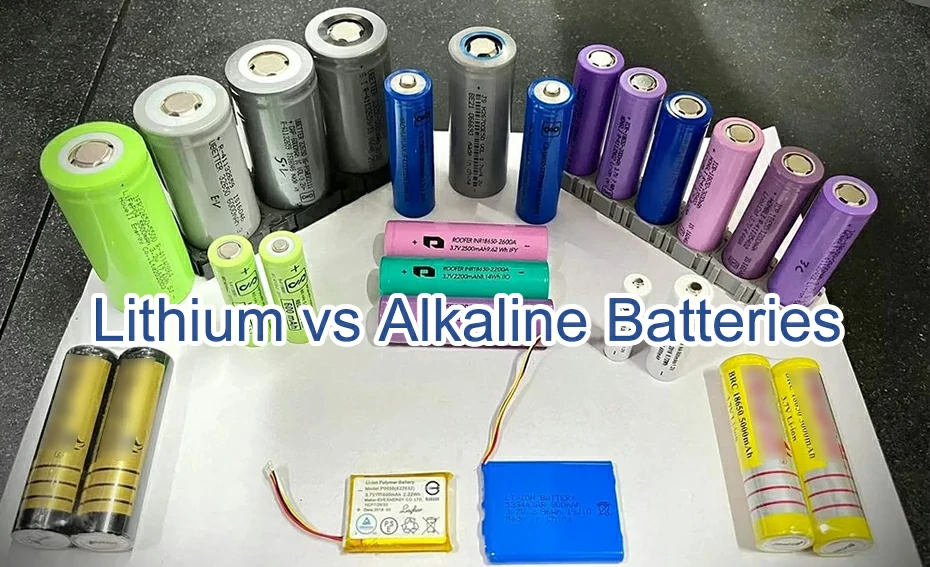
Lithium batteries really shine in devices that guzzle power like a thirsty camel. We're talking digital cameras (especially when using the flash), high-powered flashlights (perfect for late-night snack raids in the fridge), and wireless gaming controllers (because victory demands unwavering power!). In these scenarios, the extra cost of lithium batteries is often worth it because they last so much longer.
Plus, lithium batteries have a much lower self-discharge rate. This means they hold their charge for ages, even when not in use. Great for that emergency flashlight in your glove compartment that you hope you never need… but definitely should have. It’s like having a backup plan that’s actually reliable. Imagine a friend who says they’ll help you move and actually shows up! Unheard of!

When to Stick with Alkaline: The Low-Drain Lowdown
For devices that sip power slowly – like remote controls, clocks, and low-drain toys – alkaline batteries are perfectly adequate. They're the sensible choice, like wearing comfortable shoes to a theme park instead of stilettos. Sure, the stilettos might look fabulous, but you'll regret it by lunchtime. The same principle applies to batteries. Why spend more on lithium if you don't need to?
Alkaline batteries are also a better choice if you’re prone to, shall we say, forgetting to remove batteries from devices that aren’t in use. Why? Because if a lithium battery leaks (it can happen, although less common than with alkalines), it's a bigger mess to clean up, and potentially more damaging. Think of it as the difference between spilling milk and spilling acid… Neither is ideal, but one is definitely worse.
The Great Expense Experiment: Are Lithium Batteries Really Worth It?
Lithium batteries are more expensive upfront, no doubt. But, and this is a BIG but, they can last significantly longer. Imagine buying one super-powered, long-lasting battery instead of constantly replacing cheaper ones. It's like investing in a good pair of jeans instead of buying a new pair from a fast fashion shop every month – they last longer and ultimately save you money!
To truly determine the best value, consider how often you use the device and how much you value convenience. Doing a little math (or just winging it, we won't judge!) can help you decide which type of battery offers the best bang for your buck. Or, just do what I do, and buy whichever ones are on sale!
The Bottom Line: Battery Bonanza!
So, can you use lithium batteries instead of alkaline? Generally, yes, as long as the voltage is compatible. Choose lithium for high-drain devices where long life and performance are paramount. Stick with alkaline for low-drain devices where affordability and availability are key. And always, always read the labels and your device’s manual! Because, let's face it, nobody wants a battery-related disaster story to tell at their next dinner party. Unless, of course, it’s really funny. In that case, tell me all about it!