
Can You Use Led Light Bulbs In Regular Fixtures
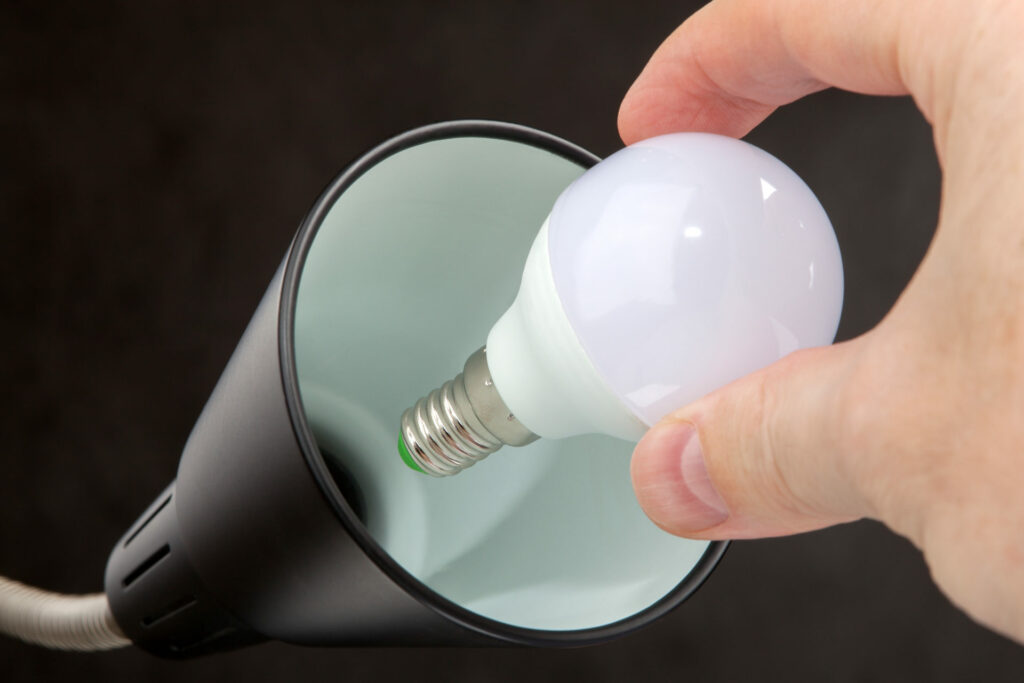
Let's face it, light bulbs aren't usually the stuff of exciting conversation. But! The switch to LED lighting? That's actually pretty fascinating. Why? Because it's a chance to save money, help the planet, and even upgrade the look of your home – all with something as simple as changing a light bulb. Plus, navigating the world of light bulbs can feel surprisingly complex. Can you just swap any old bulb for a snazzy new LED? That's the question we're tackling today!
The short answer is a resounding yes! In most cases, you absolutely can use LED light bulbs in your regular fixtures. Hallelujah! But, like with most things in life, there are a few little caveats to keep in mind to make sure you're lighting up your life the right way.
So, what's the big deal with LEDs anyway? Well, these little guys are powerhouses of efficiency. Their main purpose is to provide light, just like incandescent or fluorescent bulbs, but they do it using significantly less energy. Think of it like trading in a gas-guzzling monster truck for a sleek, fuel-efficient hybrid. You still get where you need to go, but you're doing it in a much smarter way. This translates to lower electricity bills and a smaller carbon footprint – a win-win!
Must Read
The benefits of switching to LEDs are numerous. Beyond the energy savings, LEDs also boast a much longer lifespan. We're talking years, not months! This means less frequent bulb changes, saving you time and hassle. Plus, they run much cooler than traditional bulbs, reducing the risk of overheating and potential fire hazards. Many LEDs are also dimmable, giving you greater control over the ambiance of your space.
Now, for those little caveats. First, check the wattage. LED bulbs use significantly less wattage than incandescent bulbs to produce the same amount of light. Look for the lumen rating (a measure of brightness) instead of focusing solely on wattage. A lower wattage LED can often replace a higher wattage incandescent without any problems. Your fixture will usually have a maximum wattage rating printed on it. Make sure your replacement bulb, LED or otherwise, doesn't exceed this.
Second, consider the base type. Most standard fixtures use either a screw-in base (like an E26 or E27) or a bayonet base. Ensure the LED bulb you choose has the correct base to fit your fixture. Don't try to force it! Adapters exist, but it's much easier to just buy the right bulb in the first place.

Finally, be mindful of enclosed fixtures. While LEDs run cooler, some very tightly enclosed fixtures can still trap heat. Look for LEDs specifically designed for enclosed fixtures if you're concerned. These are built to withstand higher temperatures.
In conclusion, switching to LED bulbs is a bright idea (pun intended!). By paying attention to wattage, base type, and fixture suitability, you can easily upgrade your lighting and enjoy the many benefits of this energy-efficient technology. So go ahead, make the switch – your wallet and the planet will thank you!

