
Can You Take A Shower When It's Lightning Outside

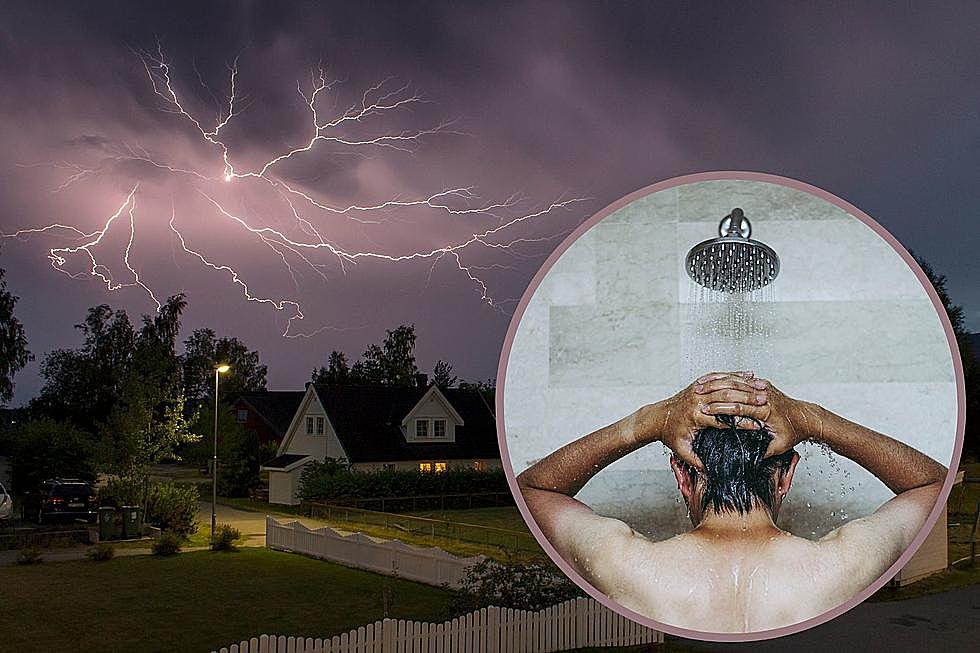
Picture this: you're cozily tucked indoors, a fierce thunderstorm rages outside, and all you want is that warm, steamy shower to wash away the day's worries. But then, a little voice in the back of your head pipes up, 'Wait, can I actually do this when lightning is flashing?' It's a classic conundrum, right up there with 'pineapple on pizza?' or 'is a hot dog a sandwich?' Today, we're diving into the electrifying truth about showering during a lightning storm, separating myth from reality with a dose of good old common sense.
The Sparky Truth: Why It's a Concern
Here's the lowdown: lightning is essentially a giant spark of electricity, and like any electricity, it's always looking for the easiest path to the ground. Your home, with its intricate network of pipes, wiring, and other conductive materials, can inadvertently become part of that path. When lightning strikes your house, a nearby tree, or even a utility pole connected to your grid, that electricity needs to go somewhere. It can travel through metal objects like telephone lines, electrical wires, and yes, even your plumbing system.
The crucial thing to remember is that water conducts electricity. Especially tap water, which contains impurities like minerals that make it a better conductor than pure distilled water. And those pipes? Historically, many homes have metal pipes, which are excellent electrical conductors. Even if your home has modern PVC pipes, the water inside those pipes can still act as a conduit, carrying a charge directly to your faucet or showerhead.
Must Read
Is It Really That Dangerous?
So, is a rogue bolt of lightning going to zap you while you're shampooing? The risk is generally low, but it's not zero. The National Weather Service and the CDC both advise against contact with plumbing during a thunderstorm. Why? Because lightning can travel through metal pipes, and if your plumbing system is struck (or even if lightning strikes the ground nearby and travels through underground pipes), that electrical current can follow the water right into your showerhead.
While fatalities are rare, lightning-related injuries from plumbing are a real thing. These can range from minor shocks to more severe burns or even cardiac arrest. It's truly a case where an ounce of prevention is worth a pound of cure. Better to be safe than sorry when Mother Nature is putting on a light show of this magnitude.

Smart Storm Safety: What To Do Instead
Alright, so what's the game plan when the skies start rumbling? It’s not about fear, but about smart precautions.
- Listen to the Thunder: The golden rule is 'When thunder roars, go indoors!' But we'd add, '...and stay out of the water!' If you can hear thunder, even a faint rumble, you're within striking distance. Lightning can strike miles away from where it's raining.
- Delay Your Suds Session: The safest bet? Simply wait it out. Lightning isn't just about the initial flashes; after a storm appears to pass, ground currents can still be active. Give it at least 30 minutes after you hear the last clap of thunder before hopping into the shower, taking a bath, or even running the tap for anything substantial. This '30-minute rule' is a widely recommended safety guideline.
- Avoid All Plumbing Contact: This isn't just about showers. Think baths, washing dishes, doing laundry, or even just washing your hands if your taps are connected to metal pipes. Any contact with tap water or metal fixtures connected to plumbing can potentially put you at risk. This includes using landline phones, too, as they can also carry a charge.
- Unplug, Unplug, Unplug: While we're on the subject of indoor safety, remember to unplug sensitive electronics like computers, TVs, and gaming consoles. Surge protectors are fantastic for minor fluctuations, but a direct lightning strike can overwhelm them, frying your devices and potentially starting fires. Better safe than sorry when it comes to your gadgets and your home's integrity!
- Modern Plumbing vs. Old Plumbing: While homes with older metal pipes might seem more vulnerable, even homes with modern PVC plumbing aren't entirely immune. As mentioned, the water itself is conductive, and lightning can still find a path to ground through ground wires, electrical systems, or even the structure of your home, potentially energizing water within pipes.
Lightning's Quirky Side: Fun Facts
Did you know that lightning strikes the Earth about 100 times per second? That's a lot of zap! Ancient cultures often associated lightning with powerful deities – think Zeus with his thunderbolts in Greek mythology, or Thor wielding Mjolnir. While we now understand the science, there's still a primal awe that comes with a spectacular lightning display.
Interestingly, lightning can also strike the same place twice – just ask the Empire State Building, which gets hit dozens of times a year! And a lightning bolt is hotter than the surface of the sun, reaching temperatures of around 50,000°F (27,760°C). Pretty mind-boggling, right? Lightning also creates thunder, of course. The superheated air around the bolt expands so rapidly that it creates a shockwave, which we hear as thunder. So, while it's fascinating, it's definitely something you want to admire from a safe distance, and with dry hands!
Ultimately, taking a lightning-safe approach to your daily routine isn't about living in fear, but about informed caution and respecting the raw power of nature. In our fast-paced world, it’s rare to be forced to simply pause. A thunderstorm offers that natural permission slip. So next time a storm rolls in, instead of worrying about that shower, perhaps brew a soothing cup of tea, grab a good book, or simply watch the dramatic light show from a truly safe, dry spot. It’s an unexpected opportunity to slow down, be present, and enjoy a moment of mindful safety. Your future self, and potentially your hair, will thank you.

