
Can You Take A Camera On A Plane

Alright, gather 'round, folks! Pull up a comfy chair, grab your imaginary latte, because we're about to dive into a question that has probably plagued every photography enthusiast with itchy feet and an upcoming flight: "Can I actually take my precious camera on a plane, or will it be confiscated by the gadget goblins at security?"
Good news, fellow snap-happy adventurers! The answer, delivered with a hearty sigh of relief, is a resounding YES! You absolutely can. In fact, airlines and security folks generally prefer it, especially for the good stuff. But like any good story, there are a few twists, turns, and hilarious (or potentially harrowing) details to navigate.
Your Camera's First-Class Ticket: Carry-On, Baby!
Let's get this out of the way immediately: when it comes to your camera gear – we're talking bodies, lenses, the whole kit and caboodle – treat it like it's a fragile baby made of gold and unicorn tears. Which, let's be honest, it probably is. This means it belongs firmly in your carry-on luggage.
Must Read
Why, you ask? Oh, my sweet summer child, have you seen how checked bags are handled? I swear, sometimes it looks like they're playing a high-stakes game of baggage dodgeball. Your beloved DSLR, with its delicate sensors and intricate mechanisms, is simply not built for that kind of aerial acrobatics. It's a recipe for disaster, dings, dents, and that awful feeling when you open your suitcase and find your zoom lens is now a prime lens... permanently. Plus, let's not even whisper about the horror of theft. Your gear is often more valuable than your entire wardrobe, so keep it close, keep it safe, and keep it with you.
The X-Ray Saga: Will It Fry My Sensor?
This is a common worry, isn't it? You imagine your camera entering that ominous tunnel, bathed in glowing green light, only to emerge as a glorified paperweight. Fear not! For your modern digital cameras (DSLRs, mirrorless, compacts), the X-ray machines used at airport security are perfectly safe. They won't harm your sensor, corrupt your memory card, or give your camera a mysterious glow. It’s the same tech that scans your laptop and phone, and those are doing just fine.
Now, if you're a film enthusiast, that's a slightly different tune. High-speed film (ISO 800 and above) can sometimes be affected by repeated X-ray exposure, leading to fogging. If you're traveling with precious rolls of film, especially those higher ISOs, you can politely request a manual hand inspection. The TSA agents are usually quite accommodating for this. Just be prepared to open your bag and show them your film canisters, maybe even charm them with a quick anecdote about your passion for analog photography.

The Power Players: Batteries, Glorious Batteries!
Okay, this is where things get a little less "chuck it in and hope for the best" and a lot more "pay attention, because safety rules are serious." Those wonderful little power sources that keep your camera humming – specifically, lithium-ion batteries (which is what most camera batteries are) – MUST travel in your carry-on luggage. Period. End of discussion.
This isn't just an airline suggestion; it's a non-negotiable safety regulation. Lithium-ion batteries, while generally safe, have a tiny, tiny chance of overheating and catching fire. If that happens in the cabin, a flight attendant can deal with it. If it happens in the cargo hold, well, let's just say it makes for a much more dramatic (and terrifying) in-flight movie. So, spare batteries, battery grips, even batteries inside your camera – all in the carry-on. Many airlines even require you to put tape over the terminals of loose batteries or keep them in a protective case to prevent short circuits. Don't be "that guy" who causes a delay because their rogue battery is chilling unsafely in the checked bag.
Accessories Galore: Lenses, Tripods, Drones (Oh My!)
-
Lenses: Like camera bodies, these are precious, fragile, and often expensive. Keep them in your carry-on, nestled safely in a padded bag. Imagine the horror of a loose lens rattling around in the cargo hold!
Can You Bring A Camera On A Plane? (TSA Rules) -
Tripods: Ah, the trusty tripod. If it's a compact, travel-sized tripod, it can generally go in your carry-on. However, larger, heavier tripods are often considered too unwieldy or potentially weapon-like by security (don't ask me, I just report the news!). For those, you might need to check them. Just remember to pack it securely in a hard case if you do.
-
Drones: Drones are a bit of a tricky beast. The drone itself can often go in your carry-on or checked luggage, but once again, we circle back to our fiery friends: the lithium-ion batteries. Drone batteries are usually quite large and powerful, and they absolutely, unequivocally, must be in your carry-on. Check your airline's specific rules for drones, as some have weight limits or other restrictions.
-
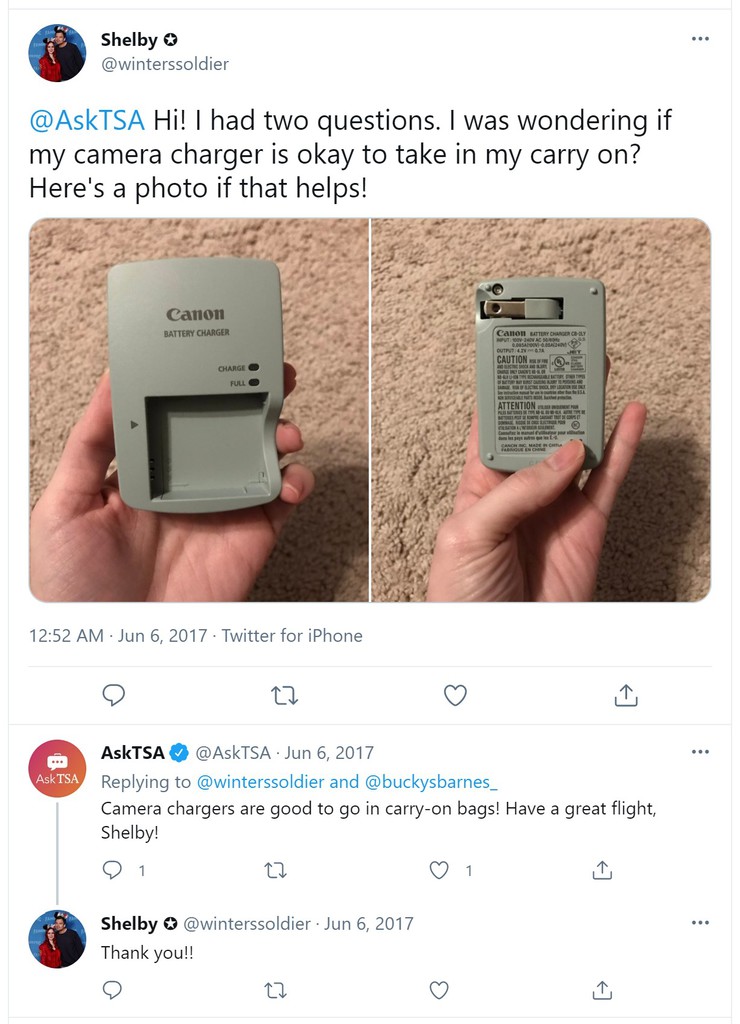
Memory Cards, Chargers, Cables: These smaller items can generally go anywhere. However, I always advise keeping memory cards in your carry-on – they hold your precious memories, after all! Chargers and cables are fine in either, though having a charger handy in your carry-on is often useful for layovers.

Can You Bring A Camera On A Plane? (TSA Rules)
The Golden Rule: Check With Your Airline!
While I've given you the general gospel, remember that each airline can have slightly different rules, especially regarding carry-on dimensions and weight limits. What flies with one airline might get you a stern look and an extra fee with another. So, before you jet off, do yourself a huge favor and visit your airline's website or give them a quick call. A little preparation goes a long way in avoiding airport drama and ensuring a smooth journey for you and your camera.
Packing Like a Pro: Tips for a Smooth Security Check
To make life easier for yourself and the often-harried security agents, consider these tips:
Accessibility is Key: Pack your camera bag so that if they ask you to remove the camera or a specific lens, you can do so easily without unpacking your entire life story.
Can You Bring A Camera On A Plane? (TSA Rules) Dedicated Camera Bag: A well-padded camera bag isn't just for protection; it also signals to security that this is sensitive equipment, often making the process smoother.
Empty Your Pockets: Just a general travel tip, but helpful. No one wants to hold up the line because you forgot that spare lens cap in your pants.
So there you have it! Flying with your camera isn't just allowed; it's practically encouraged for your valuable gear. Just remember the holy trinity: carry-on for cameras, carry-on for batteries, and always double-check with your specific airline. Now go forth, capture stunning aerial views (if allowed), amazing travel memories, and don't let the fear of airport security stop you from bringing your beloved photo companion along for the ride. Happy snapping, and bon voyage!