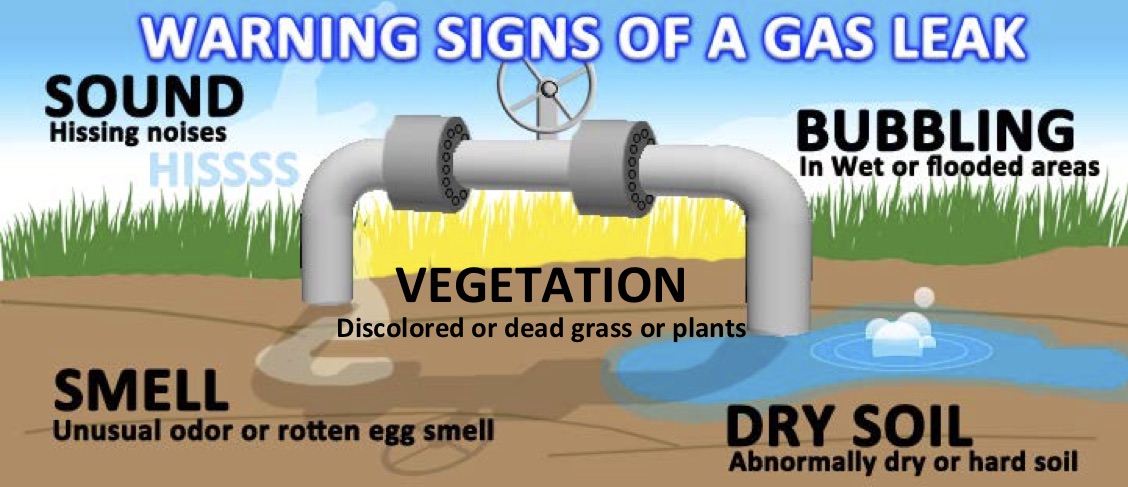
Can You Smell Natural Gas Leak
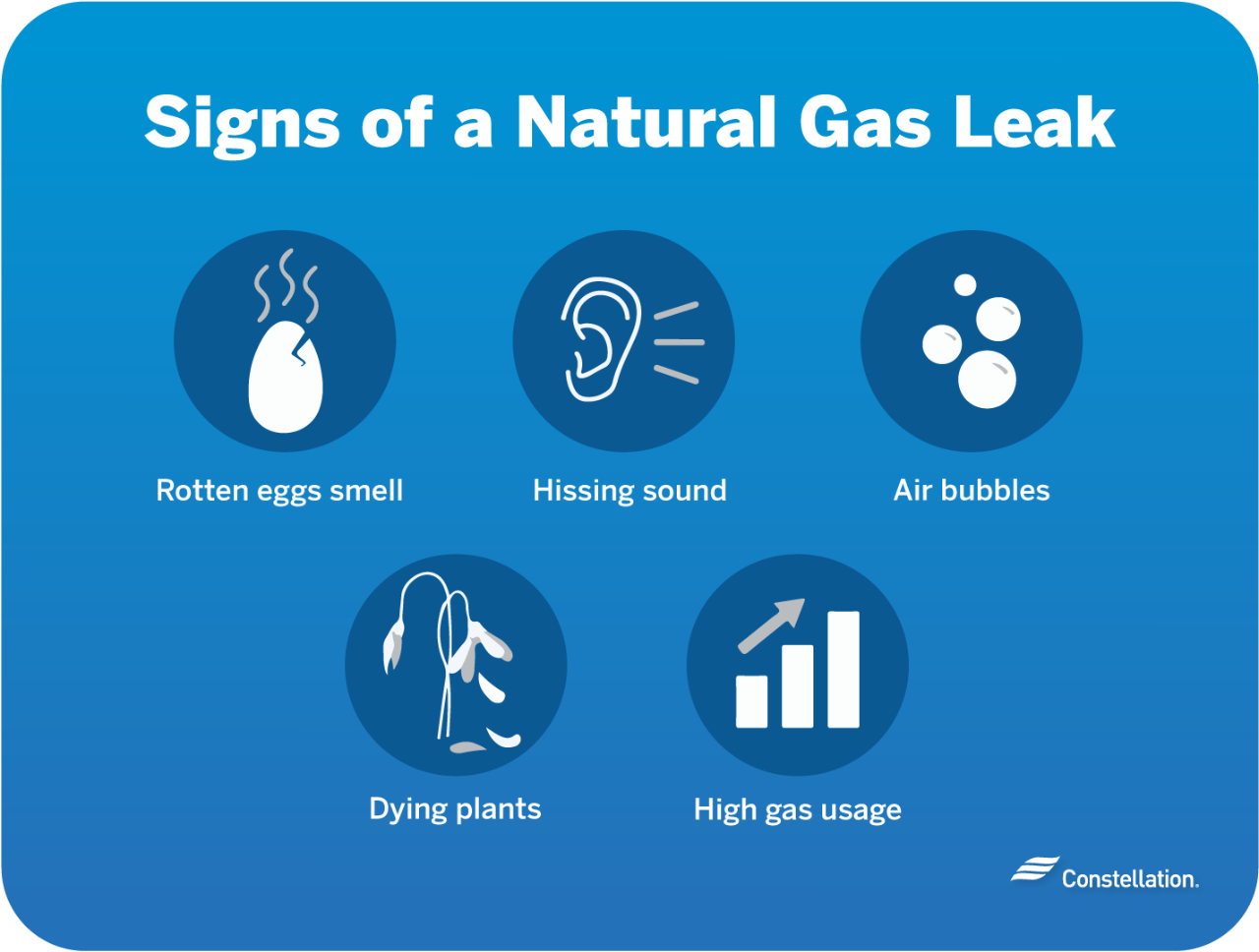
Our senses are incredible tools, constantly processing information to help us navigate the world and, crucially, to keep us safe. Think about it: the sizzle of a pan telling you dinner's almost ready, the crunch of leaves underfoot in autumn, or the comforting scent of freshly baked cookies. But what about the less pleasant smells, particularly one that could signal danger? We're talking about that unmistakable, pungent aroma often associated with a natural gas leak. It's a topic that sparks curiosity and holds a surprising truth, a truth that could literally save lives and is more fascinating than you might imagine!
So, can you really smell natural gas? The short, mind-bending answer is: not really. Here's the revelation: pure, unadulterated natural gas is actually odorless, colorless, and invisible. Imagine that! In its natural state, it's a silent, unseen threat. This fact alone makes the topic not just useful, but genuinely popular, because it challenges a common assumption many of us hold.
If natural gas itself doesn't smell, then what is that distinctive, often alarming odor we all recognize? This is where the genius of safety engineering steps in! To transform this invisible danger into something instantly detectable, utility companies add a special chemical called mercaptan (or ethanethiol) to natural gas supplies. Mercaptan is completely harmless in the tiny concentrations used, but it's incredibly potent and possesses a truly unforgettable, unpleasant smell. Think of it as a super-stinky "perfume" specifically designed to announce the presence of gas.
Must Read
The purpose and benefit of this additive are profound: it acts as a critical early warning system. By giving natural gas that signature rotten egg or sulfur-like stench, mercaptan turns a potentially catastrophic leak into something that homeowners, renters, and even passersby can immediately identify. This brilliant innovation means your nose becomes your first line of defense, allowing you to detect a problem long before it escalates into a more serious situation. It’s a testament to how human ingenuity proactively safeguards our communities.
Knowing this crucial fact empowers you. If you ever catch a whiff of that tell-tale rotten egg smell, you know precisely what it means: there's a potential natural gas leak that demands immediate attention. Your actions in that moment are critical. Do not hesitate, and do not try to investigate the source yourself. Do not turn lights on or off, operate electrical appliances, or use your phone indoors, as even a tiny spark could ignite the gas.
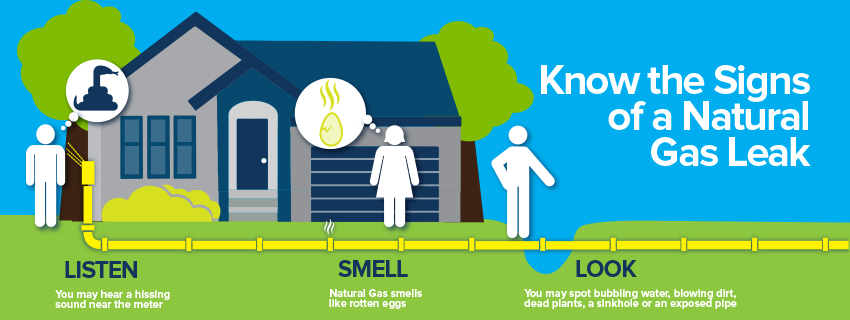
Instead, prioritize safety: leave the area immediately. Get everyone, including pets, out of the building and to a safe distance. Once you are safely outside and a good distance away, then, and only then, call your gas utility company's emergency number or 911 from your mobile phone or a neighbor's phone. They are trained to handle such situations safely and efficiently.
So, the next time you think about the smell of natural gas, remember its fascinating secret. It's not the gas itself you're smelling, but a clever, intentionally added chemical designed to be your personal safety guardian. Your nose, thanks to the vigilant work of mercaptan, truly is an invaluable tool in preventing potential hazards. Trust your nose – it could be trying to tell you something incredibly important!