Can You Shower During A Lightning Storm

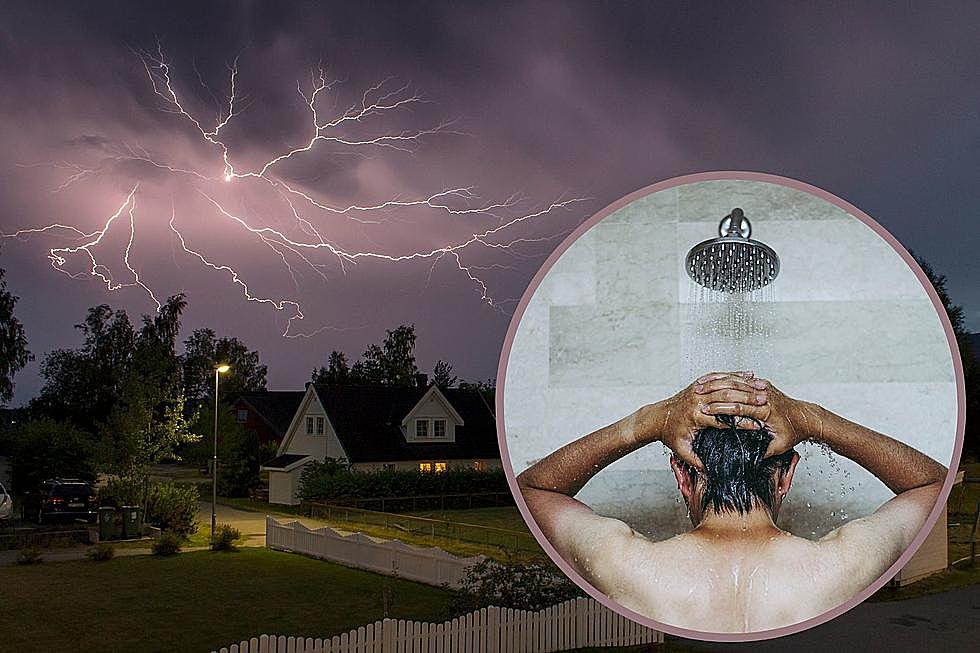
Picture this: a magnificent lightning storm is raging outside, the sky a theatrical display of flashes and booming thunder. You've just come in from a long day, feeling a bit sticky, and a warm shower sounds like the perfect antidote. But then, a nagging thought creeps in: "Is it actually safe to shower right now?" It's a question many of us have pondered, perhaps with a slight shiver down our spine, and it's a wonderfully curious point of intersection between everyday comfort and the raw power of nature. Exploring this isn't just about whether to lather up; it's about understanding a little piece of our modern world and how it interacts with truly awe-inspiring natural phenomena. It’s a fun, practical slice of science that can literally keep us safer and wiser during dramatic weather events.
The primary purpose of digging into this topic is twofold: personal safety and demystifying the unknown. On one hand, understanding the risks associated with showering during a lightning storm is crucial for protecting ourselves and our loved ones. Lightning strikes are rare, but their consequences can be severe. By grasping the 'why' behind safety advice, we move beyond mere superstition or vague warnings and gain a genuine appreciation for the forces at play. On the other hand, it offers us a chance to feel a little more connected to the world around us. It's empowering to know that we can make informed decisions based on scientific principles, rather than just guessing. The benefit isn't just avoiding a potential danger; it's about cultivating a more informed and confident approach to living alongside nature's might.
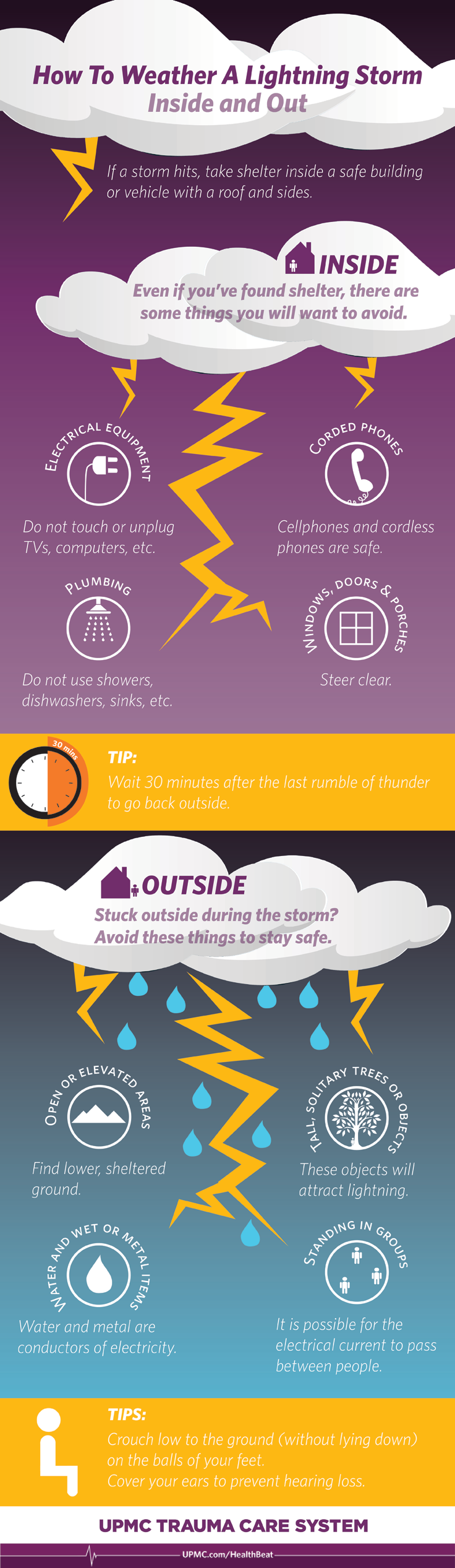
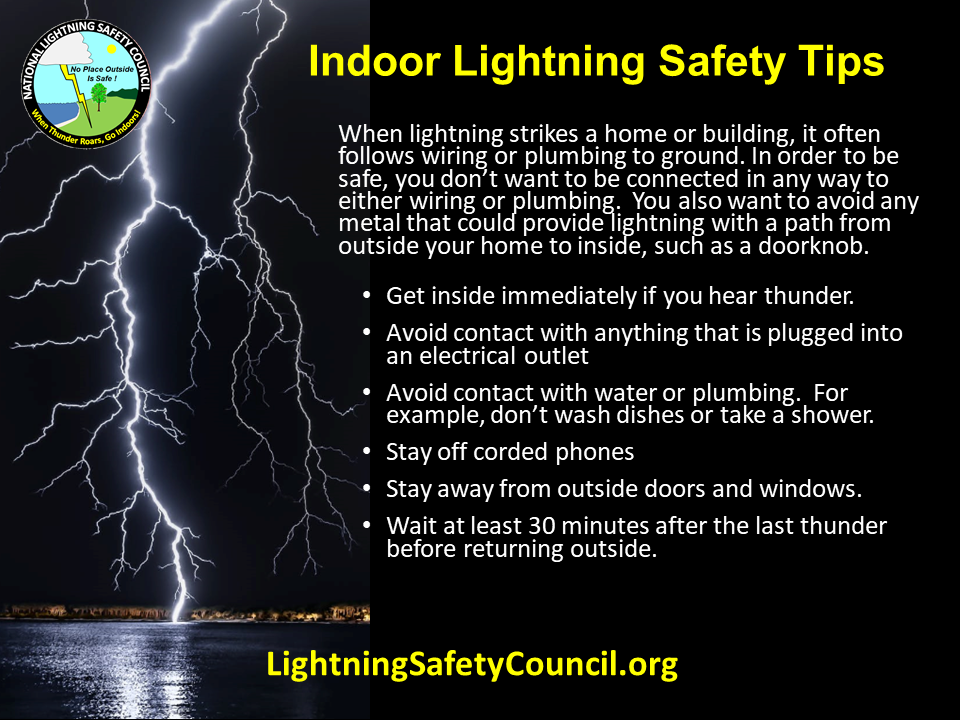
This seemingly simple question actually has surprising applications in both education and our daily lives. In an educational setting, it's a fantastic real-world example for teaching basic physics concepts like electrical conductivity and the importance of grounding. Imagine a science teacher using the plumbing in your house to illustrate how metal pipes can act as conductors, potentially carrying an electrical charge from a lightning strike directly into your bathroom. It helps students connect abstract theories about electricity to very tangible, relatable scenarios. In daily life, this knowledge translates directly into practical decision-making. When you hear the thunder rumble, instead of wondering vaguely if you should avoid touching electronics, you'll understand that anything connected to your home's wiring or plumbing system could potentially be a conduit. This awareness extends beyond the shower – it includes avoiding corded phones, washing dishes, or even touching metal window frames during a storm. It reinforces the idea that during a lightning storm, the safest place is often indoors, away from windows, and crucially, away from anything connected to plumbing or electrical systems.
Must Read
So, how can you explore this fascinating topic further without waiting for the next big storm? First, become an armchair weather detective. The next time a storm is brewing, safely observe from a window (not touching metal frames!). Notice how your house reacts – do the lights flicker? This can hint at electrical activity. Secondly, do a quick, curious dive into official weather resources. Agencies like the National Weather Service (NWS) or NOAA often provide excellent, easy-to-understand safety guidelines regarding lightning. Look for information on 'indoor lightning safety' – you'll find common sense advice backed by solid science. Thirdly, think critically about your own home: are your pipes metal or PVC? While PVC pipes offer better insulation, a lightning strike hitting your home’s electrical system or even the ground nearby can still create dangerous step voltage or touch voltage. Finally, simply share what you've learned. Chat about it with family or friends; you might be surprised how many people haven't considered the electrical pathways within their own homes. By taking a few moments to understand these dynamics, you're not just learning a cool fact; you're taking a simple, empowering step towards greater safety and a deeper appreciation for the world around you.