
Can You Run A Washing Machine On A Generator
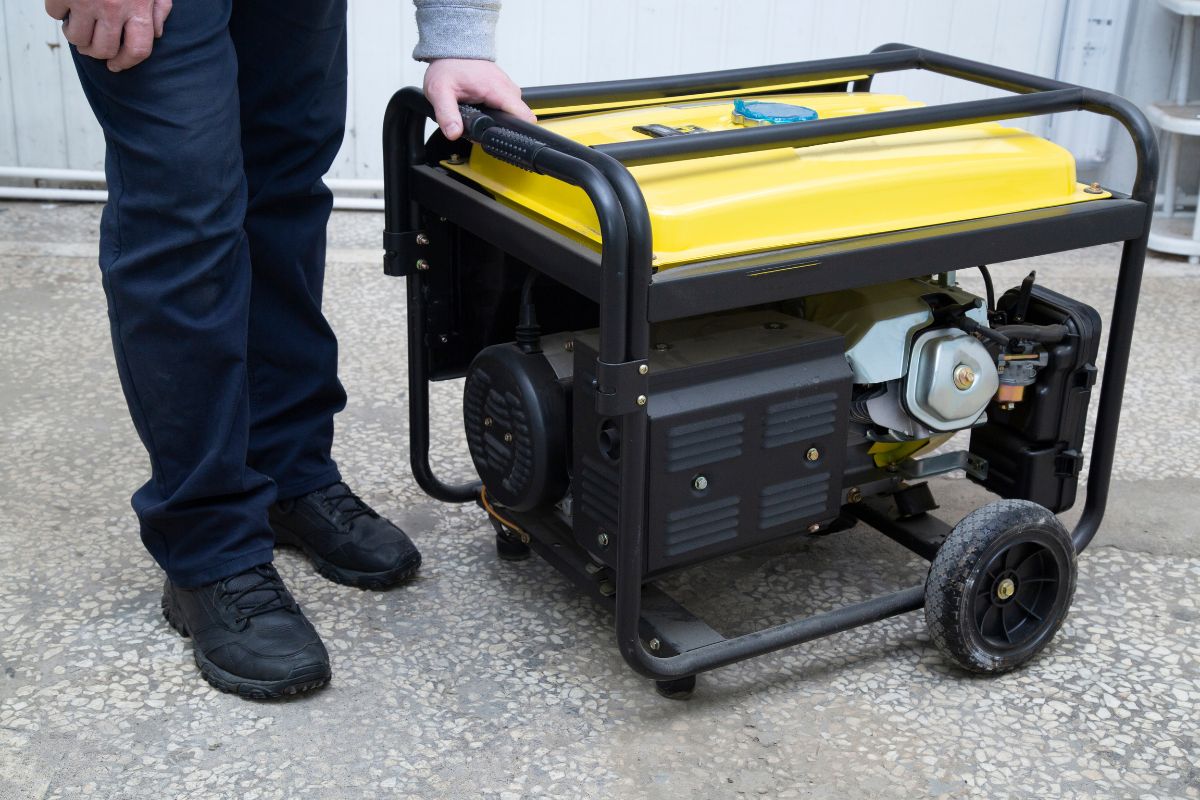
Hey there! Ever find yourself staring at a pile of dirty laundry during a power outage and think, "Hmm, can I just… power this washing machine with my generator?" You're not alone! It's a question that's crossed many a mind. Let's dive in, shall we?
The short answer? Maybe. But as with most things in life, there's a bit more to it than a simple yes or no. Think of it like ordering a pizza – you could just order a plain cheese, but where's the fun in that? We need to consider some toppings (ahem, factors) first.
The Power Struggle: Watts Up?
First things first: watts. Your washing machine, like any electrical appliance, needs a certain amount of power to run. And not just to start running (that's the surge wattage, the initial burst of energy), but also to keep running (the running wattage). Check your washing machine's manual or look for a sticker on the machine itself. It'll tell you exactly how many watts it needs. Don't skip this step; it's crucial!
Must Read
Now, peek at your generator. It also has a wattage rating. Can it handle the washing machine's demands? If your generator is a tiny little thing struggling to power a lightbulb, trying to run a washing machine is like asking a chihuahua to pull a sled. It ain't gonna happen. You'll probably just end up with a sad, overloaded generator. And nobody wants that.
Overloading is bad, m'kay? You could damage your generator or, even worse, create a fire hazard. So, let's be safe, not sorry!

Pro Tip: It's always a good idea to have a generator with more wattage than you think you need. It's like wearing stretchy pants after Thanksgiving dinner – you want that wiggle room! This gives you some buffer and allows you to run other small appliances at the same time, maybe a lamp or, dare I say, the TV? (Priorities, people!)
The Type Matters: Inverter vs. Traditional
Generators come in two main flavors: inverter and traditional. Inverter generators are the sophisticated, smooth operators. They produce cleaner, more stable power. This is particularly important for sensitive electronics like washing machines with electronic controls. Think of it as the difference between drinking a fine wine (inverter) versus chugging a mystery concoction (traditional).
Traditional generators can work, but they might not be as kind to your washing machine's delicate innards. They can have voltage fluctuations that could potentially damage electronic components. If you have a newer, fancy-pants washing machine, an inverter generator is generally the safer bet. It's a bit more expensive, but think of it as an investment in your washing machine's longevity. Plus, inverter generators are generally quieter, which is a huge bonus if you don't want to annoy your neighbors (or yourself!).
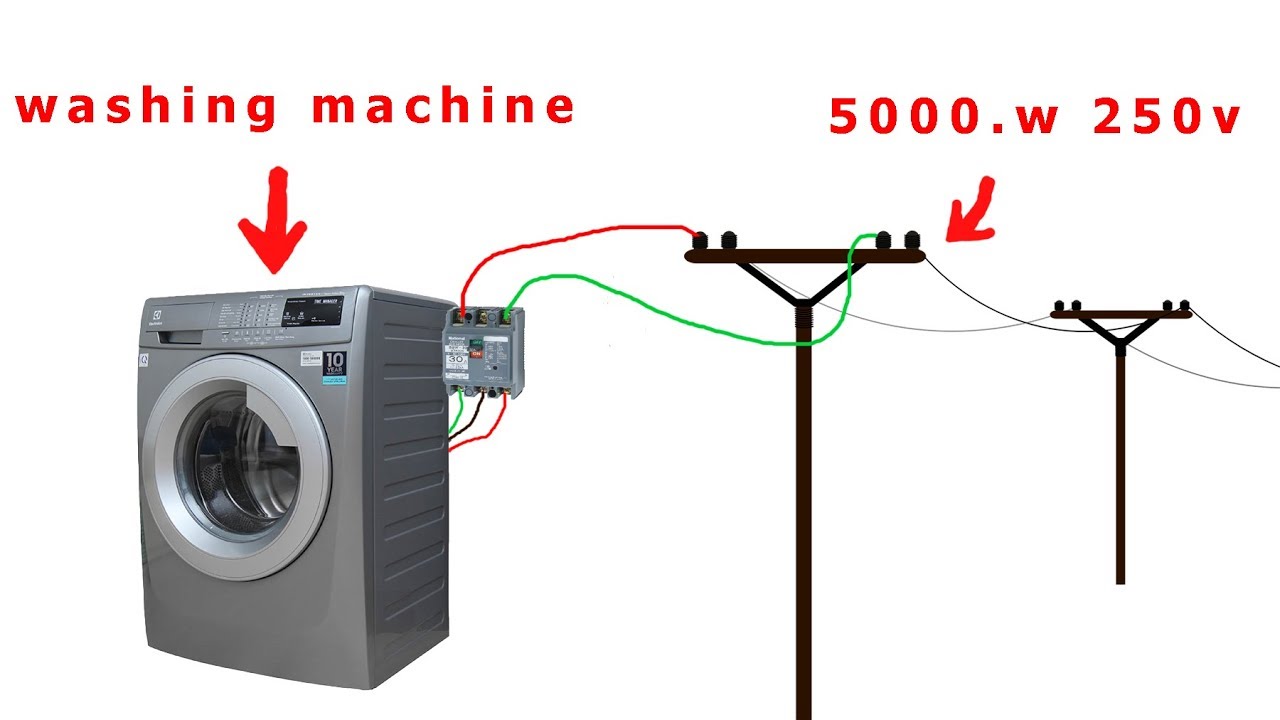
Start-Up Surge: The Hidden Energy Thief
Remember that surge wattage we talked about? Washing machines, especially older models, can have a significant start-up surge. This is a quick burst of power needed to get the motor going. Make sure your generator can handle this surge, even if the running wattage is well within its capacity. It's like needing an extra push to get a car started on a cold morning.
Here's a scenario: Your washing machine needs 600 running watts but has a 1200-watt surge. Your generator needs to be able to handle that 1200-watt surge, at least for a few seconds. Otherwise, it might trip a breaker or just give up entirely.

The Bottom Line (and a Few Extra Tips)
So, can you run a washing machine on a generator? Potentially! Just do your homework first. Check the wattage requirements, consider the type of generator, and factor in the start-up surge.
And a few extra tidbits:
- Try to avoid running other major appliances at the same time. It's like inviting too many guests to a small party. Things get crowded and uncomfortable.
- Make sure your generator is properly grounded. Safety first, always!
- Don't use extension cords that are too long or too thin. They can restrict the flow of electricity and cause problems. Think of it like trying to drink a milkshake through a tiny straw.
Ultimately, the decision is yours. But with a little planning and a healthy dose of caution, you might just be able to conquer that laundry mountain, even during a power outage. Good luck, and happy washing! (Or, you know, maybe just wait for the power to come back on. No judgment here!)
