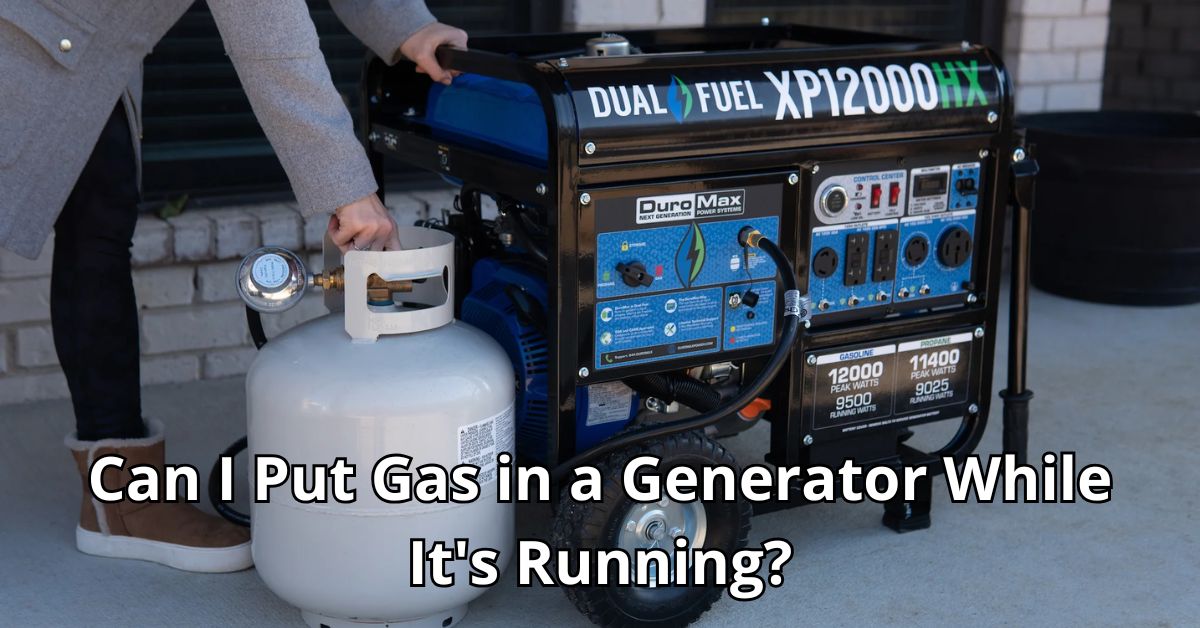
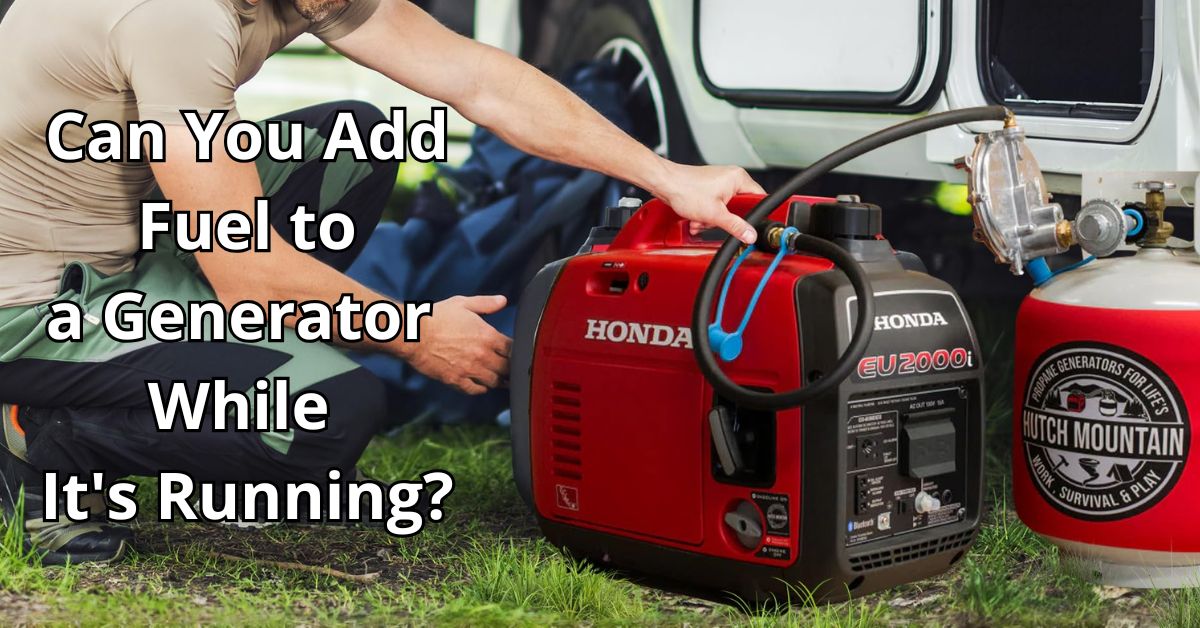
Can You Put Gas In A Generator While Running

Let's be honest, generators aren't exactly the sexiest topic. But when the power goes out, they become everyone's best friend. And that leads to a very important question: Can you put gas in a generator while it's running? The answer isn't as straightforward as you might think, and understanding the risks and best practices could save you a whole lot of trouble – and maybe even a trip to the emergency room.
For the absolute beginner, just bought their first generator in preparation for hurricane season, the thought of refueling anything while it's running sounds like a recipe for disaster. And frankly, you're not wrong! But knowing why it's dangerous and how to do it safely (in certain, very specific circumstances) is crucial. For families relying on a generator to keep the fridge running and the kids entertained during an outage, efficiency is key. Every minute spent refilling is a minute without power. And for hobbyists – the DIYers and preparedness enthusiasts – mastering the art of generator operation, including safe refueling, is just another skill in their arsenal.
The general rule of thumb is: NO, you should not put gas in a generator while it's running. The risk of spilled fuel igniting on a hot engine or exhaust is extremely high. Imagine gasoline splashing onto a red-hot muffler. Not a pretty picture, right? That said, there are generators designed with features that technically allow refueling while running. These are typically larger, more expensive units designed for continuous operation, like those used at construction sites or hospitals. They often have features like automatic shut-off valves if a leak is detected, and extra shielding to prevent spills from reaching hot surfaces. However, even with these features, the risk isn't completely eliminated.
Must Read
A common variation of this scenario is trying to "top off" the tank while the generator is running. People might think, "Just a little bit more, it'll be fine." This is a very bad idea. Even small amounts of spilled fuel can create a fire hazard. Another, less dangerous but still problematic, scenario is adding fuel while the generator is still hot, but turned off. Even though it's not actively running, the engine components can retain enough heat to ignite spilled fuel.
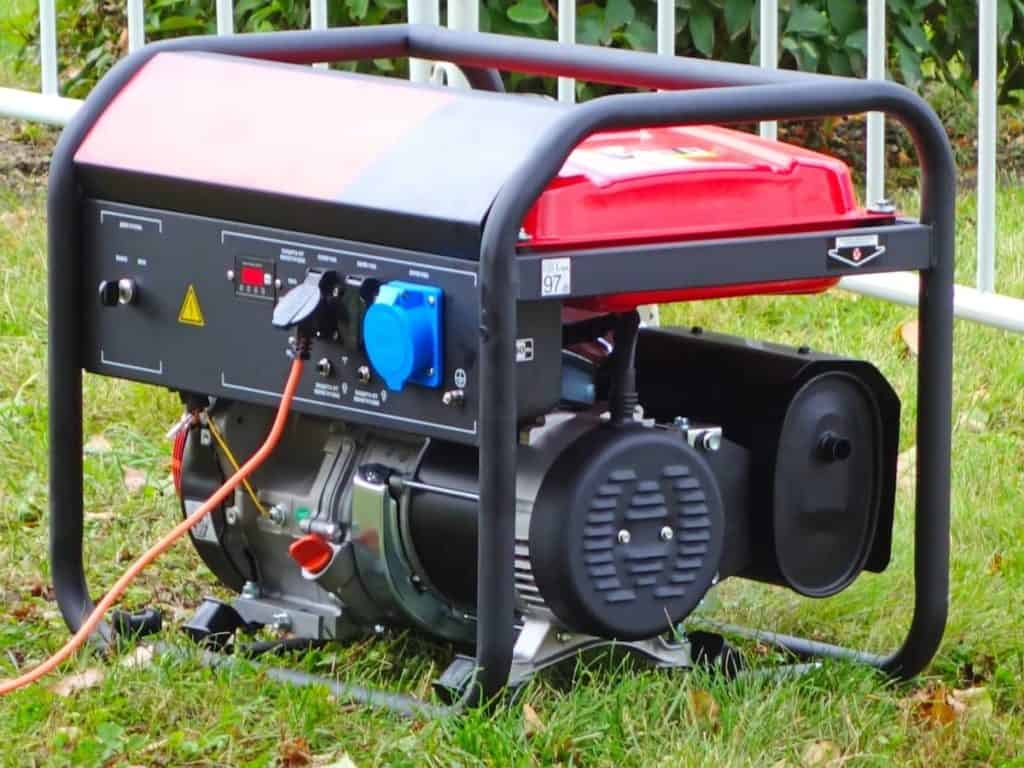
Here are some simple, practical tips to keep you safe:
- Always turn off the generator and let it cool down completely before refueling. Give it at least 15-30 minutes.
- Refuel outdoors in a well-ventilated area.
- Use a funnel to minimize spills.
- Keep a fire extinguisher nearby.
- Check for fuel leaks before, during, and after refueling.
- Consult your generator's manual for specific refueling instructions.
Operating a generator safely comes down to respect. Respect the power of the machine, respect the flammability of gasoline, and respect the potential consequences of a mistake. Taking a few extra minutes to refuel safely is a small price to pay for peace of mind and a hopefully uneventful power outage. So, while the temptation to keep the lights on uninterrupted is strong, remember that safety always comes first. A little extra caution means more enjoyment – and less stress – when you need your generator the most.