
Can You Put Dry Ice On Plastic
Okay, so picture this: It was a few Halloweens ago, and I was feeling ambitious. My goal? The ultimate spooky punch bowl fog. You know, the kind where eerie tendrils of mist spill over the edges, making everyone feel like they're in a haunted mansion – or at least a really cool party. I had the punch, I had the dry ice (carefully handled, of course!), and I had... a perfectly good, but definitely plastic, punch bowl.
My brilliant plan? Just plop the dry ice right into the plastic bowl, pour in some warm water, and let the magic happen. What could go wrong, right? Well, let me tell you, the fog was glorious for a moment. But then, as I peered closer, I started to notice something a little off. Tiny, almost imperceptible lines were forming on the bottom of the bowl. My heart sank faster than a ghost ship. It wasn't shattering, but it definitely wasn't happy. And that, my friends, got me wondering: Can you actually put dry ice on plastic? And more importantly, should you?
The Super-Chilly Truth About Dry Ice
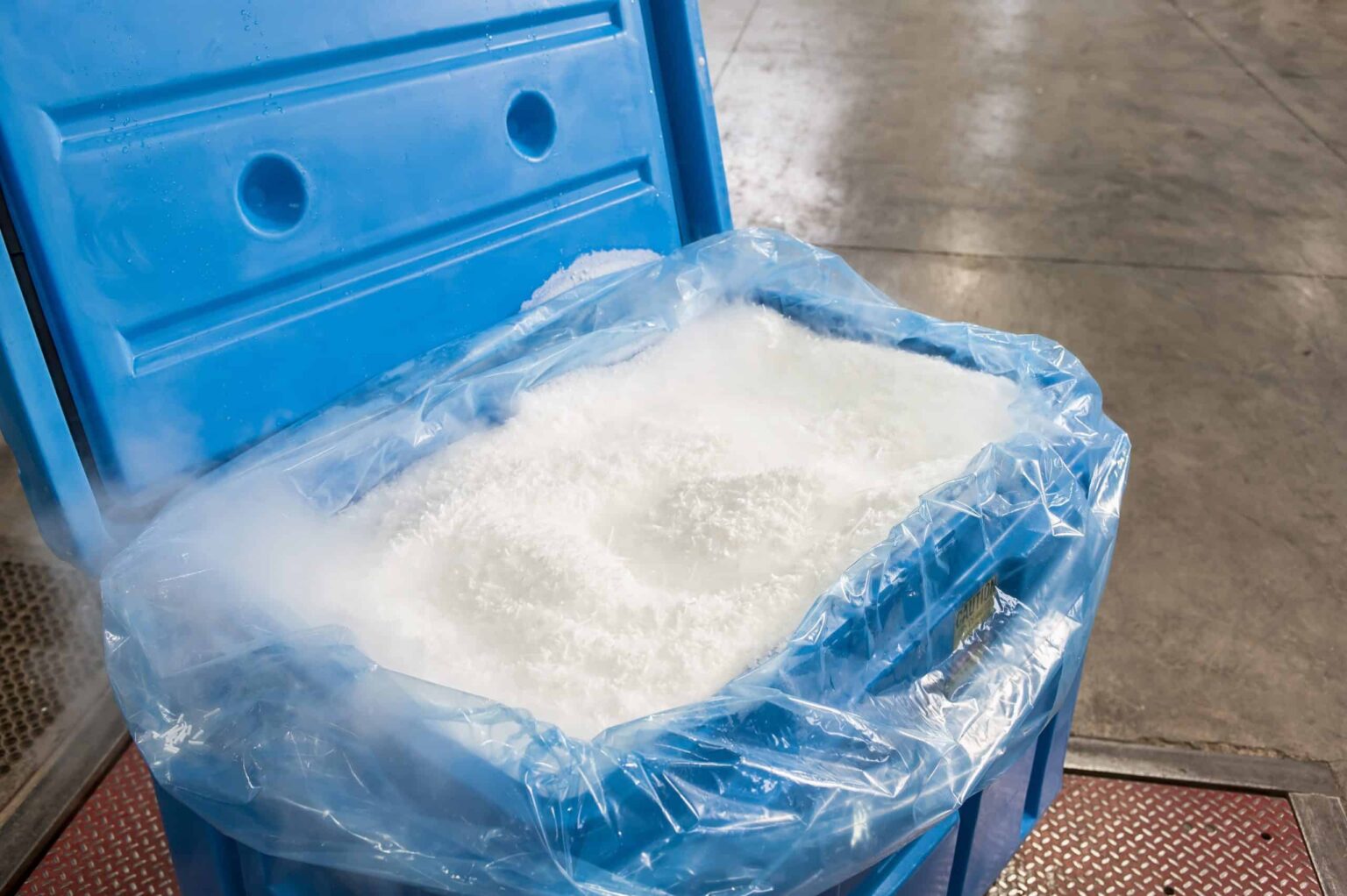
First off, let’s quickly recap what we’re dealing with here. Dry ice isn't just "really cold ice." Oh no. It's solid carbon dioxide, and it clocks in at a mind-boggling -109.3 degrees Fahrenheit (-78.5 degrees Celsius). That's colder than a polar bear's toenails, colder than a politician's heart, and definitely colder than your freezer could ever dream of being.
Must Read
The coolest part (pun intended) is that it doesn't melt into a liquid; it sublimates, meaning it goes straight from a solid to a gas. That's what gives us that awesome spooky fog effect. But that extreme cold is also where our story with plastic takes a chilly turn.
When Extreme Cold Meets Everyday Plastic
So, back to the question: Can you put dry ice on plastic? The short answer is: technically, yes, you can put it there. But the crucial follow-up is: you probably shouldn't, especially not directly or for very long. Here’s why your plastic won’t be sending you a thank-you note:

Plastic's Brittle Breakdown
Imagine bending a flexible plastic ruler. Easy, right? Now, imagine that same ruler has been left outside in an Antarctic winter. If you tried to bend it then, it wouldn't flex; it would likely snap or shatter like glass. That's essentially what happens when plastic is exposed to the extreme cold of dry ice.
The material becomes incredibly brittle. The molecules in the plastic, which are usually a bit wiggly and flexible, seize up and become rigid. This makes the plastic lose its elasticity and strength.
Thermal Shock is No Joke
It’s not just the cold itself, but the rapid change in temperature that really does a number on plastic. This is called thermal shock. Think about pouring boiling water into a freezing cold glass – sometimes it cracks, right? The same principle applies here, but in reverse. The sudden, intense cold can create stress points within the plastic, leading to hairline cracks, and sometimes, outright shattering.
Not All Plastics Are Created Equal (But Still Be Wary)
Now, some plastics are more robust than others. Thicker, more durable plastics, or those made from certain polymers (like HDPE – High-Density Polyethylene, often used for milk jugs or some heavy-duty coolers), might withstand direct contact for a brief moment better than, say, a flimsy disposable cup. But even then, prolonged contact or any stress (like dropping it or pressing on it) can lead to damage. So, while your heavy-duty cooler might fare better than a dollar-store punch bowl, it's still best to err on the side of caution.
So, How Do You Safely Use Dry Ice With... Anything?
Alright, so we've established that directly plopping dry ice onto your favorite plastic container is generally a bad idea. Does that mean no more spooky fog or super-chilled goodies? Absolutely not! You just need to be a little smarter about it.
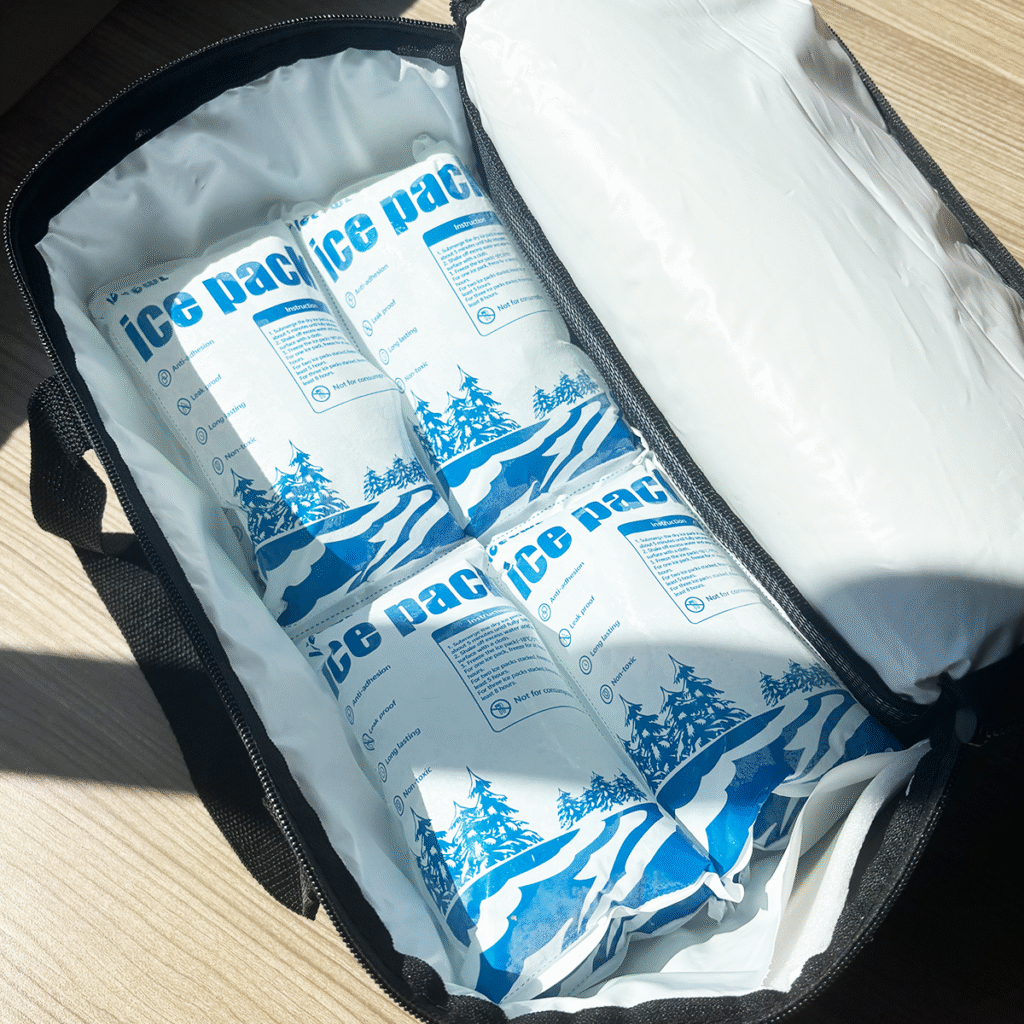
- Use an Insulated Cooler: The best place for dry ice is usually a proper insulated cooler. These are designed to handle extreme temperatures and usually have thick walls that can cope. Even here, it's often recommended to wrap the dry ice in newspaper or place it in a cardboard box within the cooler for an extra layer of protection and to prolong its life.
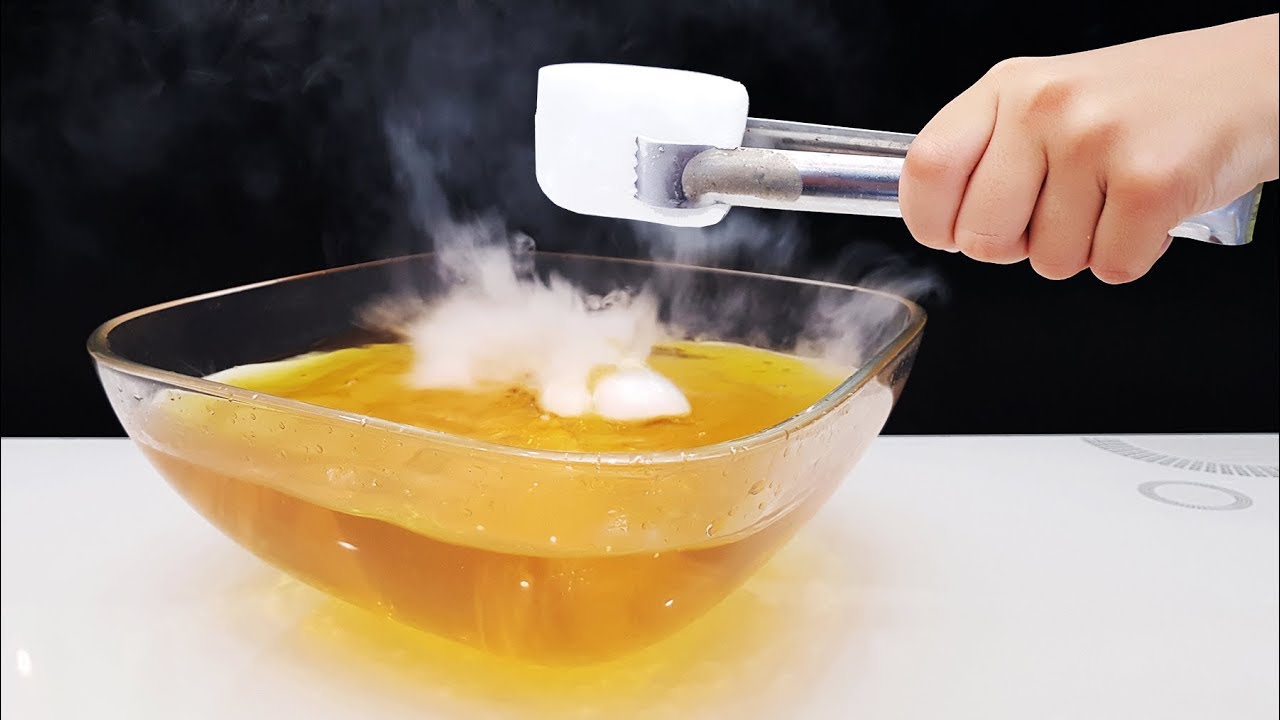
- Metal Bowls for Effects: For that Halloween fog effect, instead of putting dry ice directly into your plastic punch bowl, place a smaller metal bowl (like stainless steel) inside the plastic one. Then put the dry ice and warm water into the metal bowl. The fog will still billow out beautifully, and your plastic punch bowl remains unscathed!
- Avoid Direct Contact: If you absolutely must have dry ice near plastic, ensure there's a barrier. A towel, a thick layer of newspaper, or even a small cardboard box can provide a buffer zone.
- Safety First (Always!): Remember, dry ice can cause severe frostbite instantly. Always wear heavy gloves or oven mitts when handling it, and use tongs. Ensure good ventilation, too, as the sublimating CO2 can displace oxygen. Seriously, don't mess around with this stuff unprotected.
The Bottom Line: Respect the Freeze
My Halloween party taught me a valuable lesson: while dry ice is incredibly cool (literally!), it demands respect. Can you put it on plastic? Sure, you can. But unless you're prepared to potentially damage your plastic item, it's a hard pass for direct contact. Stick to the safer methods, and you can enjoy all the amazing effects of dry ice without sacrificing your plastic fantastic!
Now if you'll excuse me, I'm off to find a metal bowl for next Halloween. Live and learn, right?
