Can You Plug Surge Protector Into Surge Protector
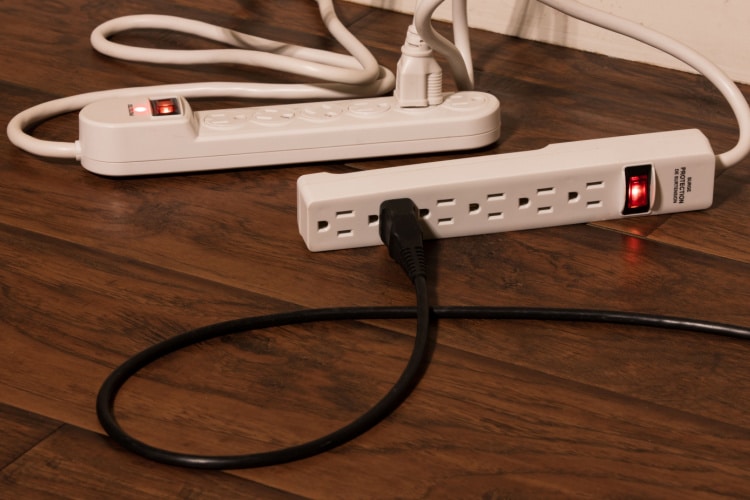
Let's talk about surge protectors! Specifically, the burning question: Can you plug a surge protector into another surge protector? It's a surprisingly common query, and honestly, diving into the world of power strips and electrical safety can be more interesting (and useful!) than you might think. We’re going to break down why this is generally a bad idea and how to properly protect your precious electronics. Think of it as a little myth-busting, but with the potential to save you from a fried computer!
So, why do people even consider daisy-chaining surge protectors? Well, it often boils down to needing more outlets. For beginners, it might seem like a simple solution when faced with a limited number of wall sockets. "Oh, I just need a few more spots for my phone charger and lamp!" But trust us, there are better ways.
For families, especially those with kids and teenagers glued to their devices, the need for charging stations is real. Everyone needs to power up their phones, tablets, and gaming consoles. Stacking surge protectors might look like a quick fix, but it can create a fire hazard. Think of it as piling too many logs onto a small campfire - things can quickly get out of control. Proper surge protection is essential to protect all your valuable family equipment.
Must Read
And what about the hobbyists? The gamers with elaborate setups, the musicians with their complex sound systems, or the DIY enthusiasts with their power tools – they all need lots of juice. They might think, "I need to protect everything!" While the sentiment is right, daisy-chaining isn't the answer. It's like trying to water your entire garden with one hose by connecting more and more hoses to the end. The pressure gets weaker, and eventually, something will burst.
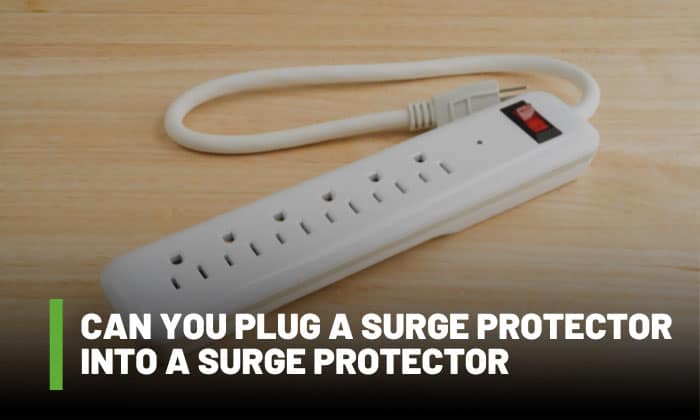
The core issue is overloading the circuit. Each surge protector has a maximum capacity for the amount of electricity it can handle. When you plug one into another, you're essentially multiplying the risk of exceeding that capacity. If a surge hits, the first surge protector might try to handle it, but if the second one is already close to its limit, it could fail, leading to damage to your devices or even a fire.
Examples of what to do instead of daisy-chaining: Consider using a power strip without surge protection in conjunction with a single, high-quality surge protector plugged directly into the wall. This allows you to increase the number of outlets without adding to the surge protection burden. Another alternative is to invest in a larger, heavy-duty surge protector with plenty of outlets to accommodate all your devices. Think about upgrading your electrical panel if you consistently find yourself running out of outlets.
Simple Tips for Getting Started:
- Check the Amperage: Know the amperage rating of your wall outlet and your surge protector.
- Read the Labels: Carefully read the instructions and warnings on your surge protectors.
- Avoid Overcrowding: Don't plug too many high-power devices into a single surge protector.
- When in Doubt, Consult a Pro: If you're unsure about your electrical setup, consult a qualified electrician.
In conclusion, while the temptation to plug a surge protector into another surge protector might be strong when you need more outlets, it's a recipe for disaster. There are safer, more effective ways to power your devices and protect them from power surges. So, take a little time to understand your electrical needs and choose the right solutions. The peace of mind knowing your electronics are properly protected is well worth the effort, and you might even learn something new along the way!