
Can You Plug A 220 Into A 110

Picture this: You’ve just returned from an incredible journey. Perhaps it was a soul-stirring adventure across the cobbled streets of Rome, a vibrant escapade through the artistic hubs of Paris, or a serene retreat amidst the scenic landscapes of the Swiss Alps. Your suitcase, now a treasure chest of memories and souvenirs, lies open. Tucked away carefully, you find that perfect little something you absolutely couldn't resist. Maybe it’s a beautifully crafted pasta maker, an elegant electric kettle for your afternoon tea, or a quirky, colorful lamp that caught your eye in a bustling market.
A wave of excitement washes over you. You can almost taste the homemade pasta, feel the warmth of the tea, or imagine the soft glow of the lamp illuminating your favorite reading nook. But then, a familiar tremor of uncertainty runs through you, a question that has plagued many a globe-trotter upon returning home. "Oh dear," you muse, "This delightful gem was designed for 220 volts. My home, however, is firmly planted in the 110-volt world. Am I about to accidentally engineer an electrical fireworks display?"
We’ve all seen the dramatic movie scenes: the sudden surge, the shower of sparks, the tell-tale puff of smoke, and the subsequent frantic search for the fuse box. It's natural to approach anything electrical with a healthy dose of caution, especially when dealing with different international standards. The power grid, after all, feels like a mysterious beast best left undisturbed.
Must Read
The Great Voltage Mystery Unveiled: A Tale of Gentle Surprises
But what if I told you that in this very specific scenario – connecting a 220-volt device to a 110-volt outlet – the outcome is usually far from catastrophic? In fact, it’s often delightfully anti-climactic, and might even prompt a wry smile or a chuckle. Let's pull back the curtain on this common electrical quandary and discover why sometimes, less power just means more patience.
Maria's Italian Espresso Dream
Meet Maria. Her heart was utterly captured by a sleek, chrome espresso machine during her idyllic honeymoon in Tuscany. It promised authentic Italian mornings, a rich aroma filling her kitchen, and the perfect shot of dark, velvety coffee. Bringing it back to her suburban home in Oregon, she envisioned countless blissful sips.
Her husband, Tom, a man who always read the instruction manual cover-to-cover, eyed the foreign plug and the "220V" label with palpable concern. “Maria,” he warned, his voice tinged with apprehension, “Are you absolutely certain this isn’t going to trip every breaker in the house? Or worse, melt something?” Maria, ever the romantic and a firm believer in happy endings, just smiled. “It’s Italian, darling. It’s too beautiful to cause trouble!”
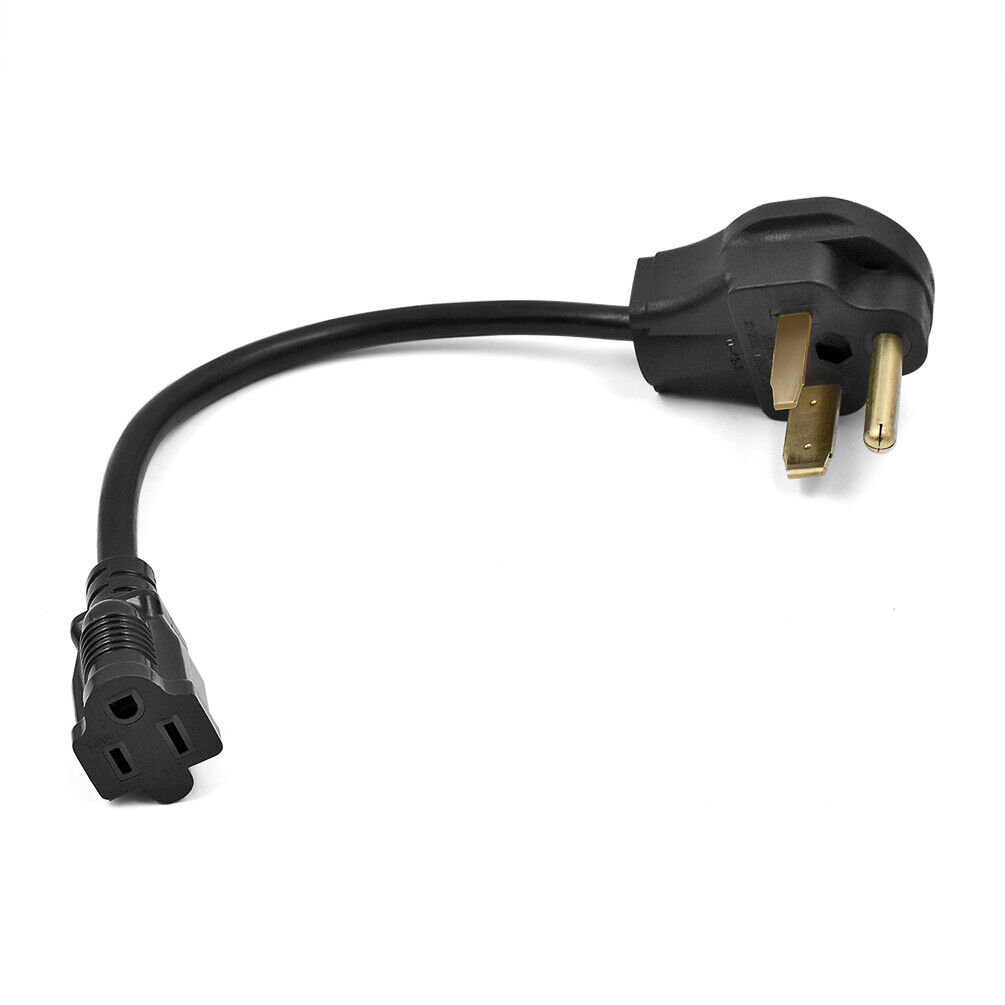
With a mixture of hopeful anticipation and a touch of nervous excitement, Maria carefully attached a simple plug adapter and inserted it into her kitchen wall socket. They both held their breath. There was no flash, no bang, no dramatic surge of power. Just a soft, almost imperceptible click.
“It was less of a dramatic entry and more of a polite whisper,” Maria later reminisced, a twinkle in her eye.
She pressed the brew button, fully expecting the robust whir and hiss she remembered from their hotel room. Instead, the machine emitted a gentle, almost apologetic hum. The water began to heat, but at a glacial pace. After several minutes that felt like an eternity, a sad, slow dribble of lukewarm, watery liquid began to emerge into her waiting cup.
The tantalizing aroma of rich coffee was faint, and the once-perfect crema was non-existent. Her Italian dream coffee was now a pale, anemic shadow of its former glory. The machine itself was perfectly unharmed, her kitchen remained intact, and not a single breaker had tripped.
The only thing truly "broken" was Maria’s expectation of instant European delight. It turned out, the elegant espresso maker simply wasn’t receiving enough electrical push to heat its elements to the optimal temperature or to pressurize the water effectively. It was trying its best, bless its Italian heart, but on half its required diet.
Liam's Lament of the Languid Hair Dryer
Then there's the saga of Liam, a professional hairstylist with a penchant for precision. He’d invested in a state-of-the-art German hair dryer during a salon conference in Berlin, confident it would revolutionize his morning routine. It promised industrial-strength airflow and rapid drying, a true marvel of engineering.

Back in his bustling Brooklyn apartment, he unwrapped his new prize with the reverence of an artist unveiling a masterpiece. He plugged it in, selected the "max power" setting, and prepared for a hurricane of warm air. What he got instead was a rather polite, almost meek exhale, like a tired sigh from a very small hamster.
The heating element struggled, producing air that was barely warmer than ambient temperature. Liam spent a comical fifteen minutes attempting to dry his perfectly coiffed hair, eventually resorting to a towel and a good-natured grumble. His hair remained stubbornly damp, and his vision of a speedy, professional dry was utterly dashed.
The dryer wasn’t smoking. It wasn’t sparking. It was simply existing, mildly perturbed, at half its potential. It was a powerful beast constrained by a lack of fuel, transforming a potential typhoon into a gentle, ineffective breeze. The most dramatic thing about it was Liam's theatrical groan of disappointment.
Why the Lack of Drama? The Underdog Story of Underpower
These charmingly uneventful outcomes aren't just happenstance; they're rooted in how electricity works. When a device designed for 220 volts only receives 110 volts, it’s akin to asking a weightlifter to perform on a diet of half-rations. They'll try, but they simply won't have the energy to lift what they're capable of.
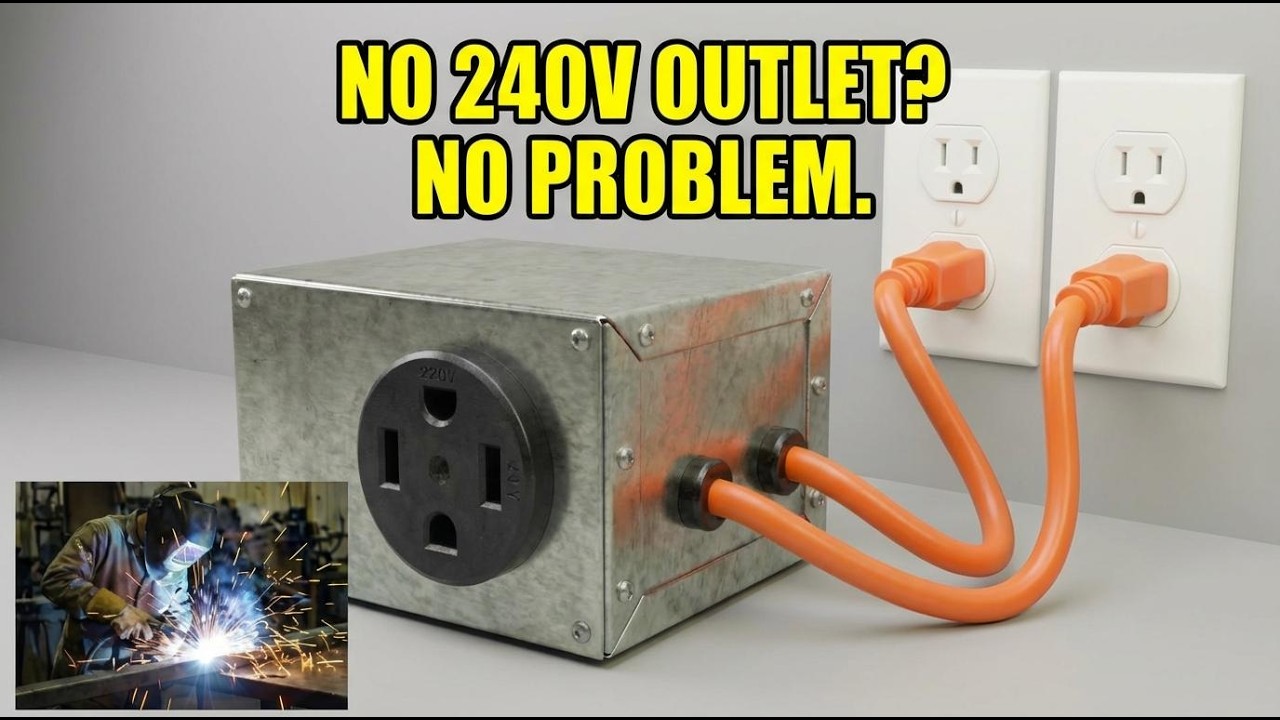
Electrical devices need a certain amount of power (measured in watts) to perform their tasks. Power is essentially voltage multiplied by current. If the voltage is cut in half, the current the device can draw is also significantly reduced, meaning the overall power delivered is much lower. There isn’t enough “oomph” to get things working as they should.
So, heating elements won't get hot enough, motors will spin too slowly (or not at all), and intricate circuits might not even register that they've been turned on. The device isn't being overloaded; it's actually being underloaded. It’s often a testament to the resilience of modern engineering that these gadgets don’t just give up entirely, but rather, enter a state of mild, unproductive protest.
The Reassuring Truth: Patience, Not Panic
So, if you find yourself in this common traveler's predicament, take a deep breath and perhaps prepare for a laugh. Plugging a 220-volt device into a 110-volt outlet will, in most cases, lead to one of three outcomes: a) the device will simply refuse to turn on, offering a quiet rebellion; b) it will operate at a fraction of its intended speed or effectiveness, like Maria’s forlorn espresso maker; or c) it will limp along weakly, much like Liam's gentle giant of a hair dryer.
This is a far cry from the terrifying images of sparks, smoke, and shattered dreams of international gadgetry. It's a surprising, and rather heartwarming, truth about the world of voltage: sometimes, less power just results in a lot more patience, and a good story to tell. While continuous underpowering could theoretically wear a device out faster over a very long time, immediate, dramatic danger is generally off the table.

Now, it's absolutely crucial to remember that the reverse scenario is where caution truly comes into play. Connecting a 110-volt device to a 220-volt outlet is like giving that marathon runner double the required calories – they'll be overloaded! That's when you risk serious damage to the device, and potentially, a genuine electrical hazard like overheating or fire.
Always, always make it a habit to check the voltage ratings on your gadgets. Look for labels that say "Input: 100-240V" (which means it's usually dual-voltage) or a specific voltage like "220V." This small habit is your best safeguard against any electrical mishap, no matter how dramatic or undramatic. But for our specific 220V-into-110V dilemma, the universe often responds with a shrug and a slow whir, rather than an alarming bang.
So, the next time you unpack a cherished souvenir from an exotic land, and that little doubt about voltage surfaces, take comfort. Remember Maria's lukewarm coffee and Liam's gentle breeze. It's a testament to human curiosity, a touch of optimistic adventurism, and the surprisingly calm reality of electricity.
Who knew that the most intriguing thing about voltage could be its quiet defiance of our dramatic expectations? Sometimes, the greatest surprise isn't the explosion you feared, but the peaceful, slow hum of a device trying its very best, which, in its own way, is quite heartwarming.