Can You Mix Oil Brands If It's The Same Weight
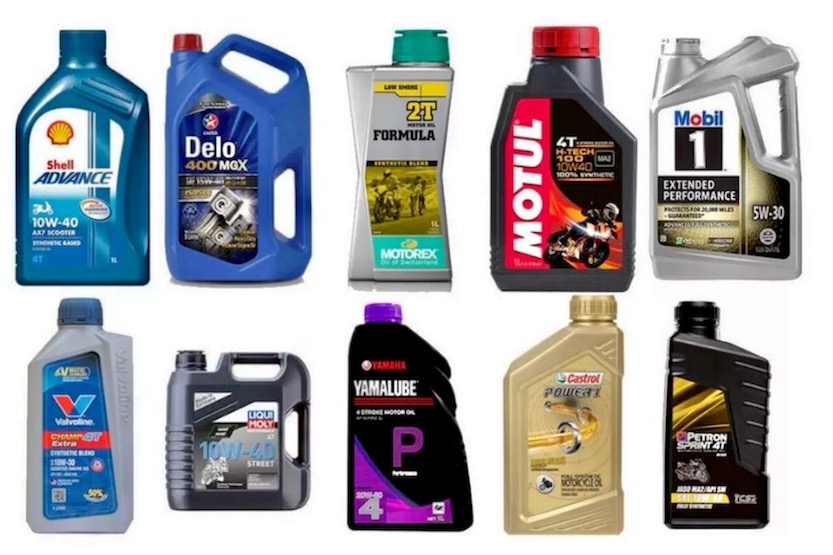
Let's face it, we all love our cars. They're our trusty steeds, taking us to work, on adventures, and even just to the grocery store. And just like any good steed, our cars need proper care and feeding, which brings us to the sometimes-confusing world of motor oil. Have you ever found yourself staring at the shelves, only to realize your favorite brand is out of stock, but another brand of the same weight is readily available? The burning question then becomes: Can you mix oil brands if it's the same weight? The answer, thankfully, is generally yes, but there are some nuances to understand.
Motor oil is the lifeblood of your engine. Its primary purpose is to lubricate all those moving parts, preventing them from grinding against each other and causing excessive wear and tear. Think of it as the oil in the Tin Man – without it, things get pretty creaky and eventually seize up. Beyond lubrication, motor oil also helps to cool the engine by drawing heat away from hot spots, clean by suspending contaminants and preventing sludge build-up, and protect against corrosion. In short, it's a crucial component in keeping your engine running smoothly and efficiently.
We use motor oil every time we drive! It's essential for maintaining the longevity and performance of our vehicles. You see it applied during oil changes, which are a routine part of car maintenance. Consider that your engine could have up to 200 moving metal parts inside that all need to be properly oiled. You can find motor oil in a wide array of vehicles, from everyday sedans and trucks to high-performance sports cars and even motorcycles. You will see this in just about every gas station, auto shop, and even big box stores.
Must Read
Now, back to the mixing question. Generally speaking, if you're using the same weight of oil (e.g., 5W-30), you can mix different brands without causing immediate catastrophic engine failure. All motor oils sold in the US must meet certain industry standards, ensuring a baseline level of performance and compatibility. However, there are still things to keep in mind.
Here are some practical tips to enjoy your motor oil choices more effectively (and safely!):
- Stick to the same type. If your car requires synthetic oil, stick with synthetic. Don't mix synthetic and conventional oils unless it's an absolute emergency, although doing so for a short period until your next oil change is usually fine.
- Know your car's requirements. Always consult your owner's manual to determine the correct oil weight and type for your vehicle. This is critical.
- Avoid mixing different oil types. While mixing different brands of the same weight and type is generally safe, avoid mixing different types of oil like high-mileage oil with regular oil.
- Consider a complete oil change. If you're consistently mixing brands or types of oil, it's better to stick with one brand/type and perform a complete oil change to ensure optimal performance and protection.
- Pay attention to your engine. If you notice any unusual noises, decreased performance, or warning lights after mixing oils, consult a qualified mechanic.
In conclusion, while mixing oil brands of the same weight is usually safe in a pinch, it's always best to use the recommended oil type and weight specified in your owner's manual. Regular oil changes with high-quality oil are the key to keeping your engine happy and healthy for years to come. So, keep those engines purring, and drive safely!