
Can You Leave Lithium Batteries In The Cold

Ever left your phone in your car overnight during winter? Or maybe forgotten your power bank on a camping trip when the temperature dipped below freezing? We’ve all been there! And we've all probably wondered: is that really a problem for those little lithium batteries?
The short answer? Yes, it can be. But let's unpack that, because it's not quite as scary as it sounds.
Why Should I Care? (Besides Blowing Up My Stuff!)
Okay, okay, the "blowing up" part is a slight exaggeration (usually!). But seriously, understanding how cold weather affects lithium batteries can save you money, extend the life of your gadgets, and prevent some seriously frustrating situations. Think about it: your phone dying right when you need it most, your electric scooter refusing to budge, or your camera battery giving up the ghost halfway through capturing that perfect snowy landscape. Not fun, right?
Must Read
It's like when you forget to wear a scarf and gloves in winter – your body still works, but it's working harder, shivering, and probably wishing you'd been kinder to it. Your lithium batteries feel the same way in the cold.
The Chilly Chemistry of Lithium Batteries
Here's a (very) simplified version of what happens. Lithium batteries work through chemical reactions. Cold temperatures slow down those reactions. Imagine trying to bake a cake with a lukewarm oven – it'll eventually bake, but it's going to take forever and might not turn out so great.

Specifically, charging a lithium battery in freezing temperatures can be especially damaging. The lithium ions can start plating, creating a metallic lithium buildup. This can lead to reduced capacity (less runtime!), internal shorts (bad!), and in extreme cases, even explosions (very bad!).
Think of it like trying to force-feed a sleepy bear honey in the middle of hibernation. It's not going to go well!

Real-Life Examples: The Good, The Bad, and The Icy
Your Phone: We've all seen it. A perfectly good phone suddenly dropping from 50% battery to dead in a matter of minutes on a cold day. That’s the cold at work. The battery's struggling to deliver power efficiently.
Electric Vehicles (EVs): EV owners in colder climates often experience a noticeable drop in range during winter. This isn't just about using the heater; the battery itself is less efficient in the cold.
![Can My Battery Freeze? Cold Weather Battery Storage [Guide]](https://lithiumhub.com/wp-content/uploads/2023/09/can-my-battery-freeze-a-comprehensive-guide-for-cold-weather-battery-storage-bms-1-640x360.png)
Power Tools: Ever tried to use a cordless drill in an unheated garage in winter? You might notice the battery drains faster and the drill feels less powerful. Again, the cold is slowing everything down.
Cameras: Photographers know the pain of batteries dying quickly during winter shoots. That stunning shot of the snow-covered mountains might cost you a battery (or two!).
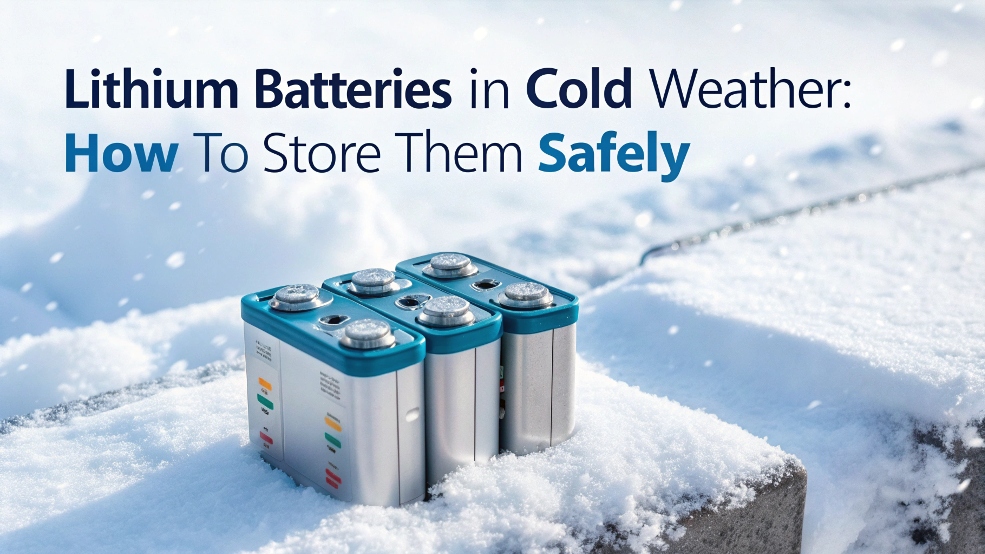
What Can You Do? (Stay Warm, Battery!)
Okay, so cold isn't great for lithium batteries. What can we do about it?
- Keep them warm-ish: Don't leave your phone baking in the sun, but also don't leave it in a freezing car overnight. Bring it inside with you. A pocket or inside a bag is usually sufficient. Think of it like giving your battery a little sweater.
- Charge indoors: This is the big one. Avoid charging lithium batteries when they're cold. Let them warm up to room temperature before plugging them in.
- Store them properly: If you're storing lithium batteries for a long time (like during the off-season for your e-bike), store them in a cool but not freezing place at around 40-60% charge.
- Use insulated cases: For things like cameras or drones, consider using insulated battery cases, especially if you're shooting in extremely cold conditions.
- Warm them up gently: If a battery has gotten cold, don't immediately put it on a charger. Let it warm up gradually to room temperature before using or charging it.
Basically, treat your lithium batteries like you'd treat a slightly grumpy, delicate friend who hates being cold. A little care and attention will go a long way!
The Bottom Line: A Little Caution Goes a Long Way
While lithium batteries are pretty tough, they do have their limits. A little bit of awareness and a few simple precautions can help you extend their lifespan, avoid frustrating situations, and keep your gadgets running smoothly, even when Jack Frost is nipping at your nose (and your batteries!). And that’s worth smiling about!