
Can You Give A Dog Human Melatonin

Okay, let's talk dogs. And sleep. Specifically, can our furry best friends borrow a little help from the human side of the medicine cabinet? I'm talking about melatonin.
The Sleepy Secret: Shared Shelf Space?
We all know melatonin. It’s the little helper that whispers, "Time for bed," after a long day of staring at screens. But what about Fido? Does he deserve a slice of the sleepy pie?
Here's where I risk the wrath of every super-responsible pet owner. But, hear me out. My personal, possibly unpopular opinion? It's probably... okay-ish.
Must Read
Disclaimer Time (Before the Vet Police Arrive)
Before you raid your pill stash, huge disclaimer! I'm not a vet. This isn’t medical advice. Call your vet first before giving your dog anything, especially medication.
But, haven't you ever seen your dog stressed out during thunderstorms? Or maybe your older dog seems restless at night? These can be difficult situations.
My theory is, if you vet signs off on the use of melatonin, and you proceed responsibly, it might be fine. Don't come at me!
My Hypothetical, Entirely Fictional Dog's Melatonin Adventure
Let’s imagine my dog, Sparky (he's fictional, remember?). He has anxiety when visitors come over. Barking, pacing, the whole shebang.

Now, imagine after discussing with his vet, the vet okayed melatonin use. (Emphasis on the vet's approval!) A small, vet-approved dose, perhaps?
Suddenly, Sparky isn't losing his mind at the sound of the doorbell. He can relax. The visitors can relax. Everyone wins. Right?
The “Responsible Owner” Song and Dance
Of course, “responsible use” is key. We're talking about researching dosages, consulting professionals, monitoring for side effects. You know, the usual.
No, I’m not suggesting you start chucking melatonin like it’s candy. This is a careful, calculated consideration.
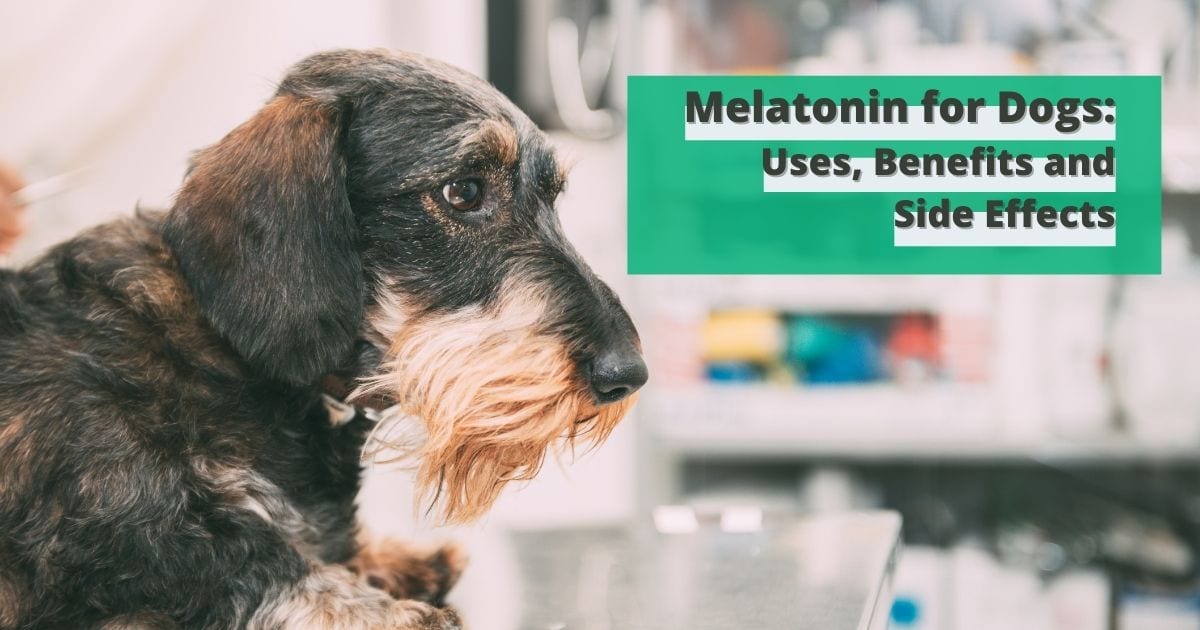
But maybe, just maybe, with the right precautions, you can help your dog get a good night's sleep. Or ease some situational anxiety.
The Great "Is it Safe?" Debate
The internet is a battleground when it comes to dog health. Some say melatonin is the devil. Others swear it’s a miracle.
I'm not taking a side. Except, you know, maybe the side that thinks it's not the end of the world, if used correctly.
Think of it this way, if you're stressed, would you want someone to have empathy for you and perhaps give you something to calm down? Your dog is not different. But speak to your vet.
The Dose Makes the Poison (and the Sleepy Dog)
The most important thing is dosage. Way too much can be very bad for your pup. Follow your vet's direction.

There are dog-specific versions of melatonin. These are obviously preferable, as they are specifically formulated for canine use.
Start small, observe carefully, and only increase under professional guidance. Always!
My Unpopular Conclusion (Prepare for Backlash)
So, can you give a dog human melatonin? My controversial answer: possibly, under VERY specific circumstances.
If your vet has given the green light. If you've done your homework. If you promise to be a responsible pet parent.
![Can Dogs Take Human Melatonin? [Risks vs Rewards] | Holistapet](https://www.holistapet.com/cdn/shop/articles/Human_Melatonin_for_Dogs_2f52629a-d9ca-446a-a389-df72ba4dbf06.webp?v=1745337283&width=1500)
Then, maybe, just maybe, that tiny little pill can bring a little peace to your furry friend's life. Remember, it's just my opinion!
One Last Thought (Because I Can't Help Myself)
Look, we all want the best for our dogs. Sometimes that means exploring options outside the box. But with great power comes great responsibility, right?
So, talk to your vet. Do your research. And for goodness sake, don’t blame me if your dog starts sleepwalking.
Now, if you'll excuse me, I'm going to go hide from the angry comments. But before that I'm going to give my fictional dog a hug for even being considered.
Important: Always consult with your veterinarian before administering any medication, including melatonin, to your dog. This article is for informational and entertainment purposes only and should not be considered a substitute for professional veterinary advice.