
Can You Get Carbon Monoxide Poisoning From Electric Heat
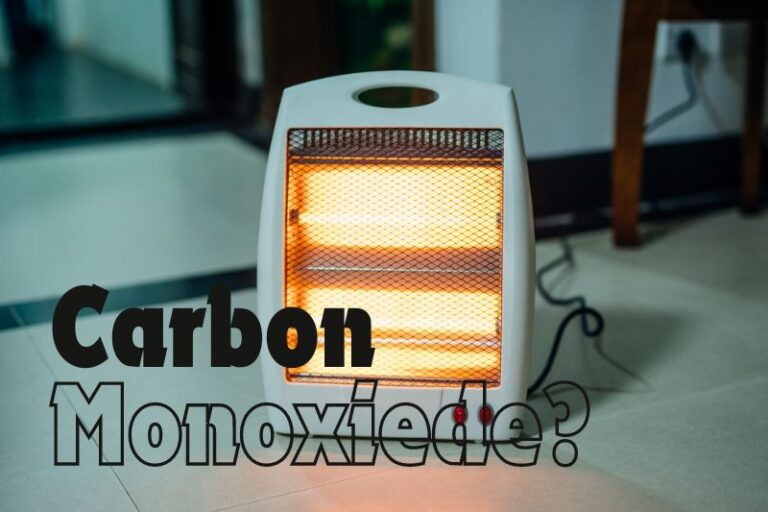
So, picture this: it was one of those winter nights. The kind where the wind howls like a banshee with a sore throat, and you can practically see your breath indoors. My friend, Sarah, and I were huddled under about a dozen blankets, nursing mugs of lukewarm tea (the kettle had gone out, naturally, because the power had just done its usual dramatic exit). We were talking about staying warm, the usual cold-weather chitchat, when she suddenly got this worried look on her face.
"You know," she said, pulling a blanket tighter around her, "it's times like these I'm glad we have electric baseboard heaters. At least we don't have to worry about... well, you know, carbon monoxide from the heat."
And that got me thinking. It's a pretty common concern, isn't it? Especially when winter rolls around and we're all cranking up the heat, doing whatever it takes to stay toasty. But her comment really highlighted a question many of us might secretly ponder, maybe without even realizing it: Can electric heat actually give you carbon monoxide poisoning?
Must Read
Let's Get Real About Carbon Monoxide (CO)
Before we dive into the electric heat question, let's do a quick refresher on what carbon monoxide actually is. Because, frankly, it’s a bit of a sneaky villain. Often called the silent killer, CO is a colorless, odorless, tasteless gas. You literally can't detect it with your senses, which is precisely what makes it so terrifyingly dangerous.
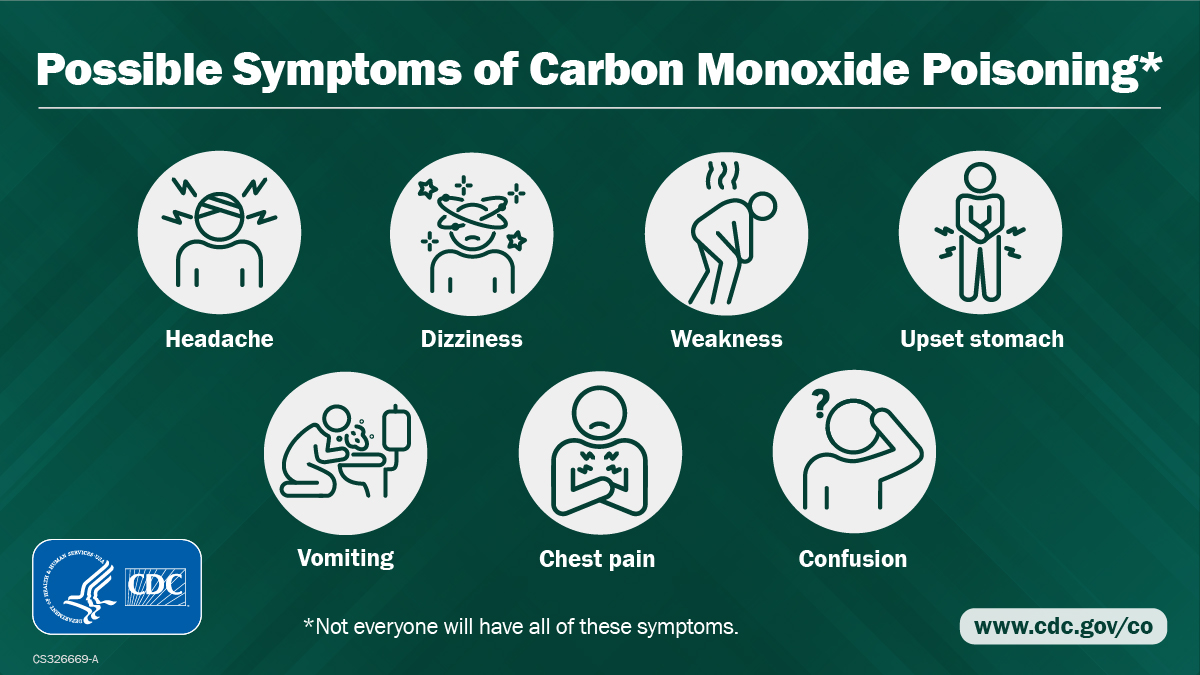
It forms when fuels don't burn completely. Think about it like a messy combustion process. When you inhale CO, it basically highjacks your red blood cells, preventing them from carrying oxygen to your organs and tissues. Not good. Really not good. Symptoms can range from headaches and dizziness to nausea, confusion, and eventually, unconsciousness and death. Pretty grim stuff, I know, but important context!
The Big Question: Electric Heat and CO?
Alright, moment of truth. Can your cozy electric heater, your trusty electric baseboards, or your efficient electric furnace produce carbon monoxide?
The short, sweet, and incredibly reassuring answer is: No. Absolutely not.
And why not, you ask? (Because you're curious, and that's awesome!) It all comes down to the fundamental difference in how electric heat works compared to other heating methods. Electric heating appliances don't burn anything. There's no combustion process involved. They simply convert electricity directly into heat, usually by passing it through a resistive element that gets super hot. Think of a toaster, but for your whole room!
No burning fuel means no incomplete combustion. No incomplete combustion means no carbon monoxide is produced.
So, Sarah was right! Her electric heaters were indeed CO-safe. High five, Sarah!
So, Where Does CO Actually Come From Then?
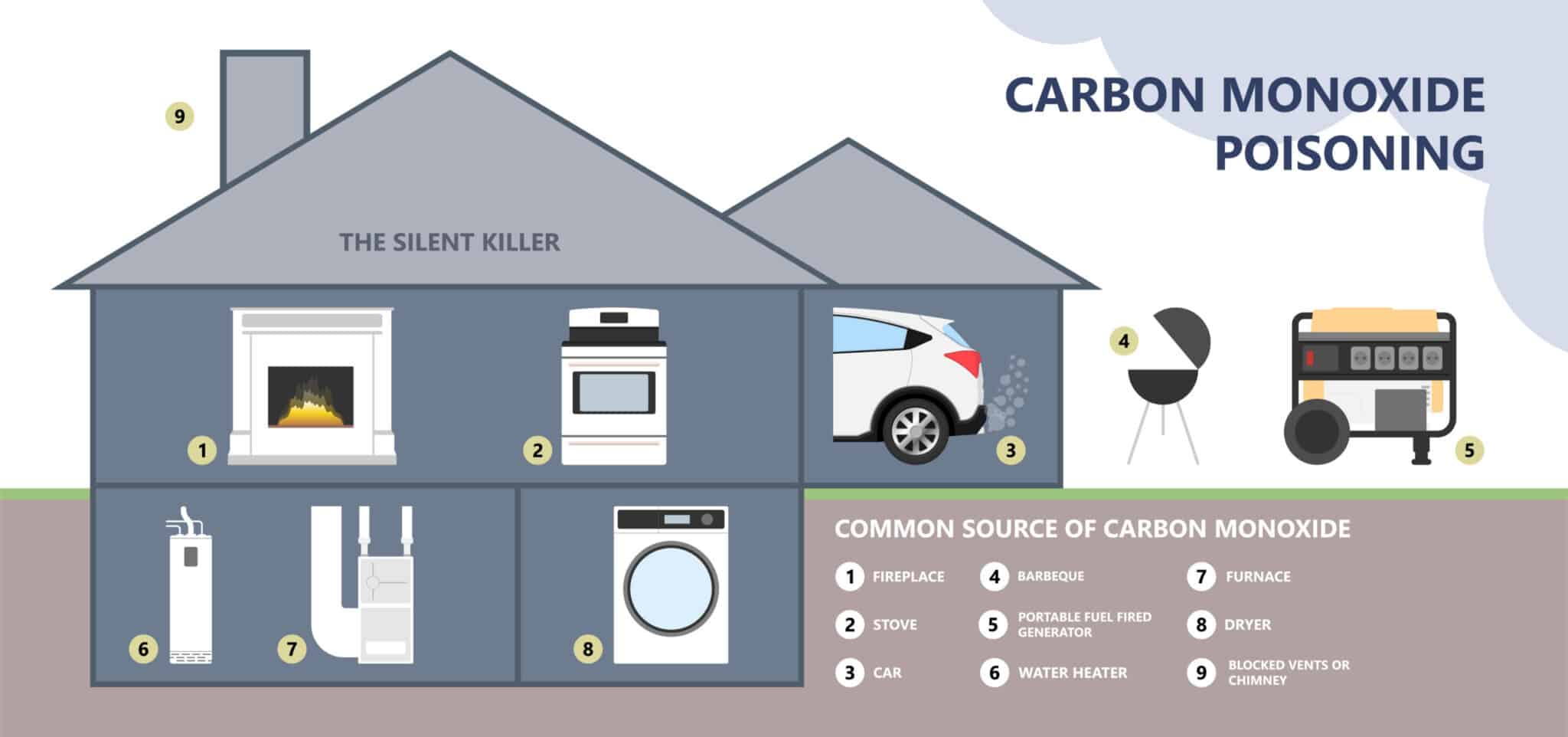
This is where it gets a little more nuanced, and why that initial question is so important. While electric heat itself is safe from CO, many homes (and many people!) have other appliances that do burn fuel. These are the usual suspects when it comes to CO production:
- Gas furnaces: The big one for many homes.
- Gas stoves and ovens: Especially if they're not properly ventilated or maintained.
- Gas water heaters: Another common culprit.
- Fireplaces and wood-burning stoves: Cozy, yes, but definitely combustion-based.
- Portable generators: A major source of CO poisoning, especially when used indoors or too close to a house. (Seriously, keep them outside and far away!)
- Charcoal grills: Never, ever use these indoors.
- Car exhaust: Running a car in an attached garage with the door closed is a huge no-no.
See the pattern? All of these involve burning some kind of fuel – natural gas, propane, wood, charcoal, gasoline. That's the common denominator for CO production. Your electric space heater? It's just chilling, converting electrons to warmth, no fuss, no combustion.
A Word of Caution (Because Safety First, Always!)
Now, just because your electric heat won't produce CO doesn't mean you're entirely off the hook for CO safety in your home. Let's be real, most of us have a mix of appliances, right? Maybe an electric stove but a gas water heater. Or a gas fireplace for ambiance. Even if your primary heat is electric, you might still have a gas clothes dryer or a car in an attached garage.
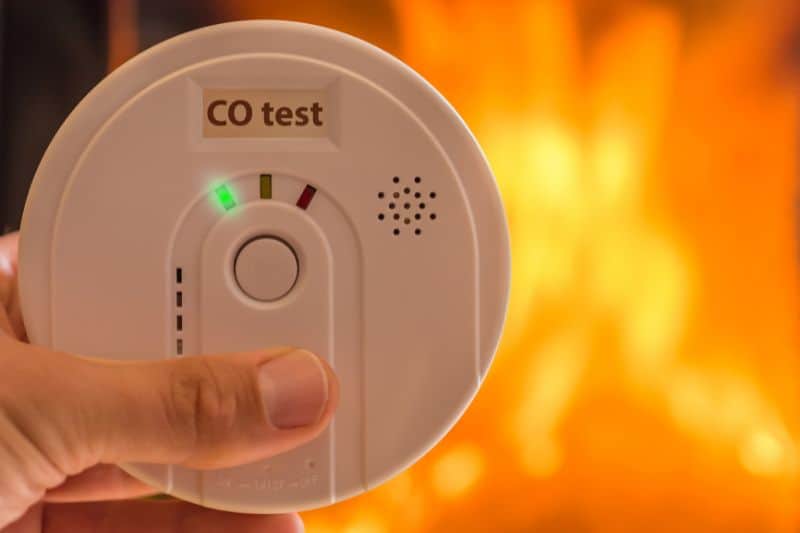
That's why carbon monoxide detectors are still incredibly important for every home, regardless of your heating method. Think of them as your personal, silent guardians. They're like having a superpower that lets you "see" the invisible threat. Place them near sleeping areas and on every level of your home. Test them regularly, just like your smoke detectors.
So, next time you're snuggled up warm thanks to your electric heater, you can breathe easy (literally!) knowing it's not silently generating any nasty CO. But also, take a quick peek at those CO detectors. They're your real MVPs for peace of mind!